

China’s New Condom Tax Sparks Public Outrage Amid Falling Birth Rates
Online discussions show widespread resentment, with many arguing that the government should focus on improving affordability and work‑life balance rather than taxing contraception.
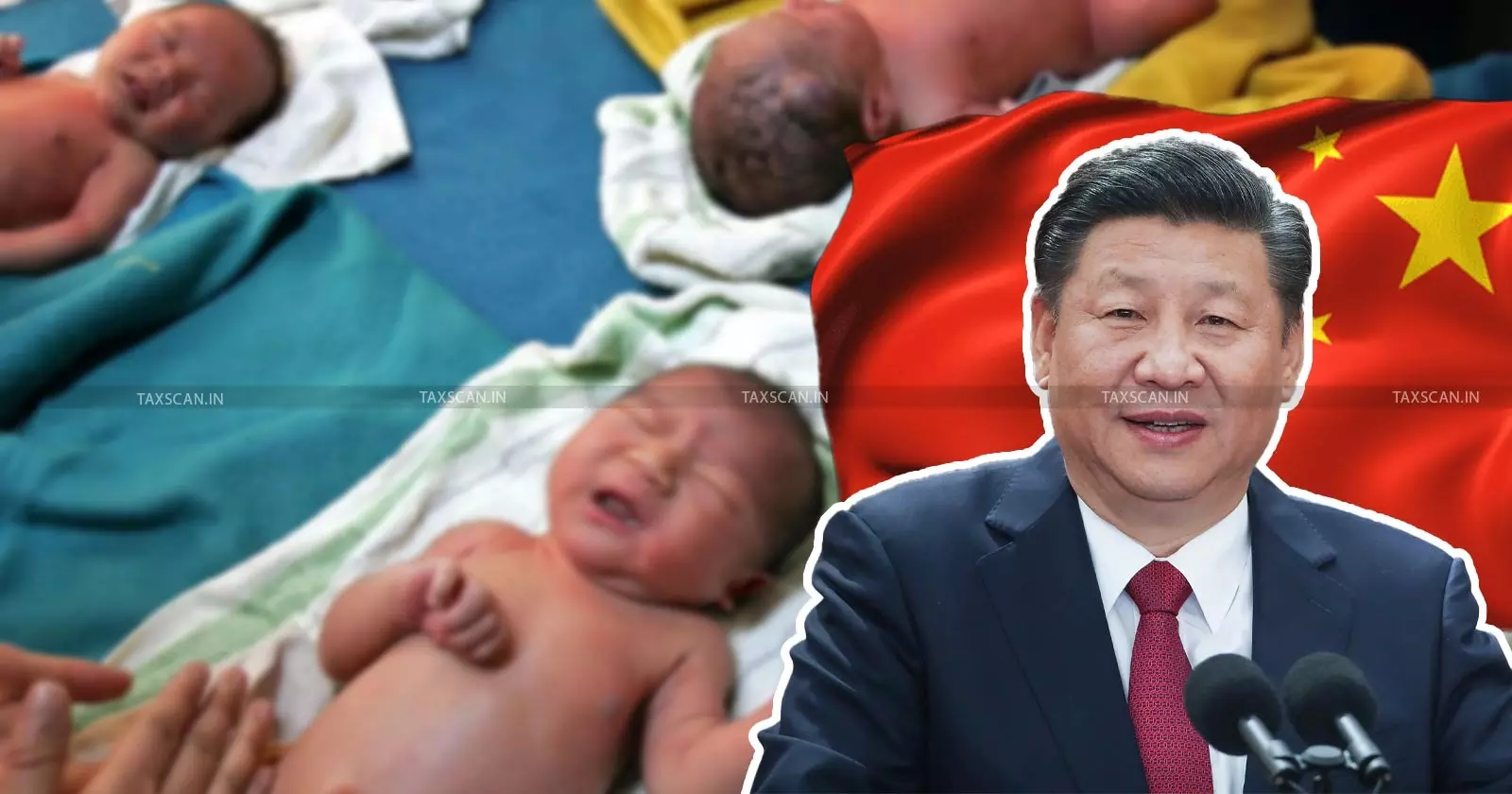
China’s latest attempt to reverse its steep population decline has triggered widespread frustration, with citizens criticising a new policy that removes long‑standing tax exemptions on contraceptives.
Beginning January 1, condoms and other birth‑control products will be subject to a 13% value‑added tax under China’s revised VAT law, ending a decades‑old exemption that had kept such items more affordable.

The move is part of Beijing’s intensifying push to raise birth rates, which have fallen to historic lows and now threaten long‑term economic stability.
But instead of encouraging larger families, the policy has sparked anger, particularly among young people, who argue that the government is making intimate life more expensive at a time when many already feel financially strained. Social‑media users have responded with sarcasm and criticism, with some saying the government is effectively taxing sex itself.
For years, China has struggled to reverse the demographic consequences of its former one‑child policy. Even after shifting to a two‑child policy in 2015 and later to a three‑child policy in 2021, birth numbers have continued to fall.
High living costs, stagnant wages, and intense academic and childcare pressures have discouraged many couples from having children. Against this backdrop, the new tax on contraceptives has been widely interpreted as a coercive nudge toward parenthood rather than a supportive measure.
Public health experts have also raised concerns. They warn that making condoms and contraceptives more expensive could undermine sexual‑health access, particularly for low‑income groups and young adults.
Some fear the policy could lead to higher rates of unintended pregnancies and sexually transmitted infections if people begin cutting back on contraceptive use due to cost. Critics argue that such outcomes would contradict the government’s broader public‑health goals.
The backlash highlights a deeper tension: while the government wants more births, many citizens feel the state has not addressed the structural barriers that make raising children difficult, as reported by The Times
Housing prices, childcare expenses, long working hours, and limited social‑welfare support remain major deterrents. Instead of easing these burdens, the new tax is seen as shifting responsibility onto individuals without offering meaningful assistance.
The controversy also reflects a generational divide. Younger Chinese, already sceptical of state‑driven natalist campaigns, view the tax as intrusive and out of touch with their economic realities.
Online discussions show widespread resentment, with many arguing that the government should focus on improving affordability and work‑life balance rather than taxing contraception.
As China grapples with a shrinking workforce and an ageing population, the condom‑tax debate underscores the challenges of crafting effective demographic policy. Whether the tax will remain in place or be reconsidered amid public pressure remains to be seen. For now, the policy has become a symbol of the disconnect between government ambitions and the lived experiences of ordinary citizens.
