How Urban Commute Conditions Change Bike Insurance Priorities
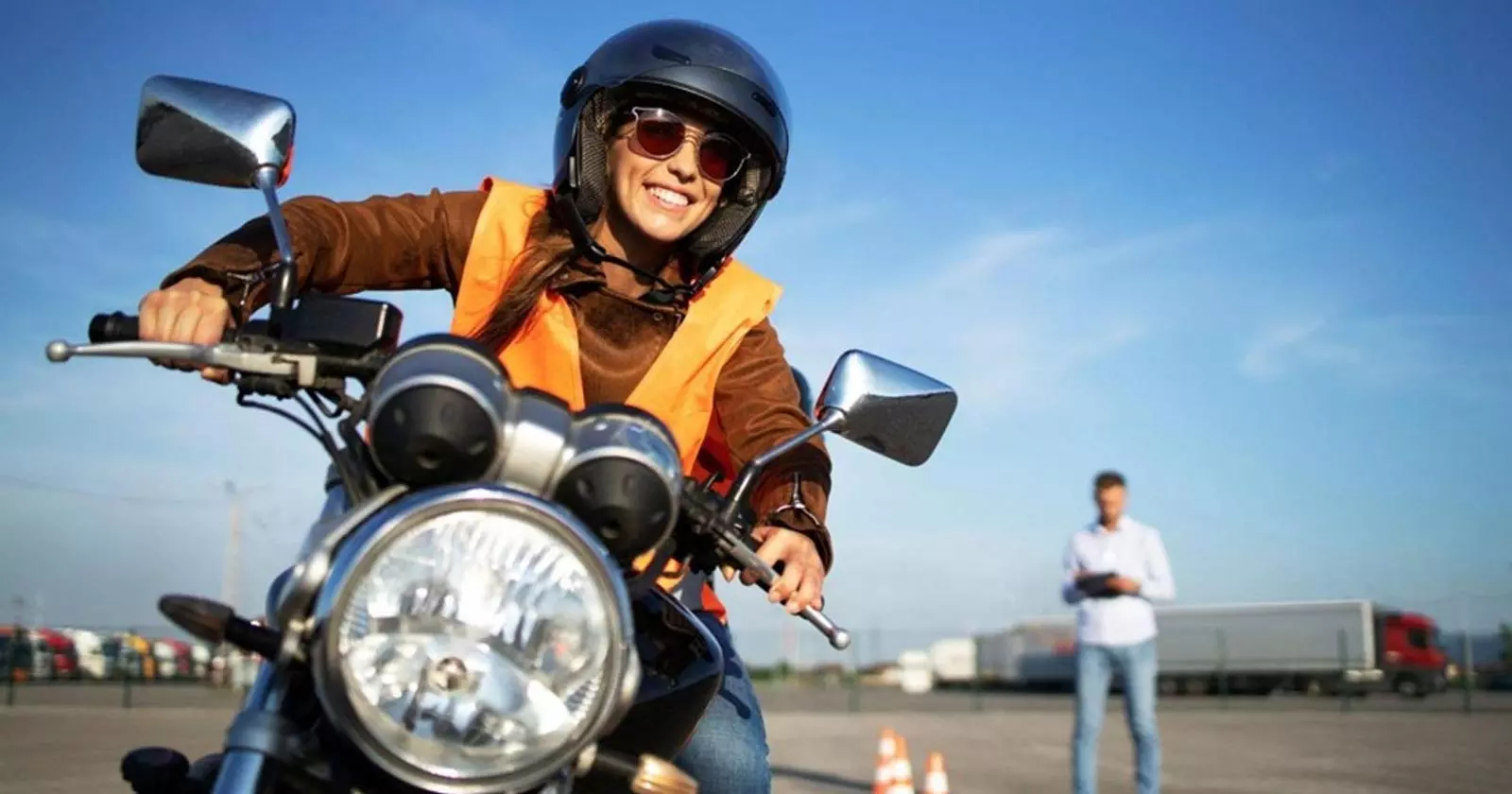
Urban commuting changes bike insurance needs because city riding brings higher exposure to traffic damage, parking risk, theft concerns, weather impact, and third-party liability. Many riders buy cover only to meet legal requirements, but daily road conditions can demand closer review.
While comparing bike insurance online, riders should assess how their travel pattern, parking locations, and vehicle type affect risk.
This blog explains how city commute conditions influence insurance priorities in India.
High Traffic Density Changes Claim Nature
City traffic often moves slowly, but vehicles stay very close to one another. This can make even careful riders more exposed to minor damage.
- Small dents and scratches may become more common during daily travel.
- Own-damage cover can be useful when the rider wants wider protection for the bike.
- A clear claim process matters when the bike is used for daily travel.
- Riders should read the policy wording to understand what is covered and what documents may be needed.
Stop-And-Go Riding Increases Wear-Linked Risks
City rides are often full of repeated braking, slow movement, sudden stops, and tight traffic gaps. These conditions are making riders more careful about choosing insurance that matches daily commute risks, not just basic legal needs.
- City riders are giving more importance to own-damage protection along with third-party cover.
- Daily commuters are looking for policies that are easier to understand and use during repair-related situations.
- Riders are also checking whether the cover suits frequent city use, traffic exposure, and regular travel needs.
- A smooth claim process is becoming important for those who depend on their bike every day.
Parking Constraints Redefine Risk Exposure
City parking can be limited, crowded, and less predictable for many bike owners. Bikes are often parked in office basements, roadside areas, market lanes, shared residential spaces, or open parking zones, and each place can bring a different level of risk.
These conditions are making the parking location an important part of the insurance review. A rider who parks in crowded or open areas may give more attention to protection against accidental damage, theft-related risks, and repair support. The focus is not only on how much the bike is ridden, but also on where it stays for long hours.
Urban Theft Probability Alters Coverage Decisions
City riders may choose two-wheelers for short routes, quick movement, and easier parking in crowded areas. However, the same convenience can also increase the need to review theft-related protection, especially when the bike stays in public or semi-open parking spaces for long hours.
This can shift insurance priorities beyond basic third-party cover. Riders may start looking more closely at comprehensive cover, insured declared value, and theft-related terms in the policy. For EVs, electric bike insurance may need a more careful review of battery-related terms, charging patterns, parking location, and usage needs before choosing the cover.
Impact of Weather on Insurance Coverage
City weather can make daily riding less predictable. Rain, waterlogging, slippery roads, heat, and poor visibility may increase the chances of damage or repair needs during a regular commute.
These conditions can shift bike insurance priorities towards wider protection for weather-linked risks. Riders may review whether their policy suits routes that include underpasses, flyovers, narrow lanes, or waterlogged areas. Own-damage cover may become more relevant for those who ride through such conditions often.
Crowded Roads Increase Third-Party Risks
City routes often bring bikes close to cars, autos, buses, pedestrians, cyclists, and heavy vehicles. This can shift insurance priorities towards liability protection and clearer third-party coverage.
- Riders may pay more attention to third-party cover because busy roads increase the chance of damage or injury involving another person or vehicle.
- Narrow lanes, sudden turns, and busy crossings can make liability-related protection more important during the daily commute.
- Riders may also look for clear documentation and support in case a third-party incident needs to be reported.
Conclusion
Urban commuting changes the way bike owners should think about insurance. Traffic, parking, theft risk, weather, and third-party exposure can all affect the coverage a rider may need. The right approach is to choose policy features after considering daily riding habits, parking location, vehicle type, and renewal needs. For Indian city riders, bike insurance works better when it is selected with a clear understanding rather than only as a routine purchase.