Mexico Hits India With 50% Tariff, Automakers Brace for Impact
Companies such as Maruti Suzuki, Hyundai, Nissan, and Volkswagen export significant volumes of compact cars and SUVs from India to Mexico.
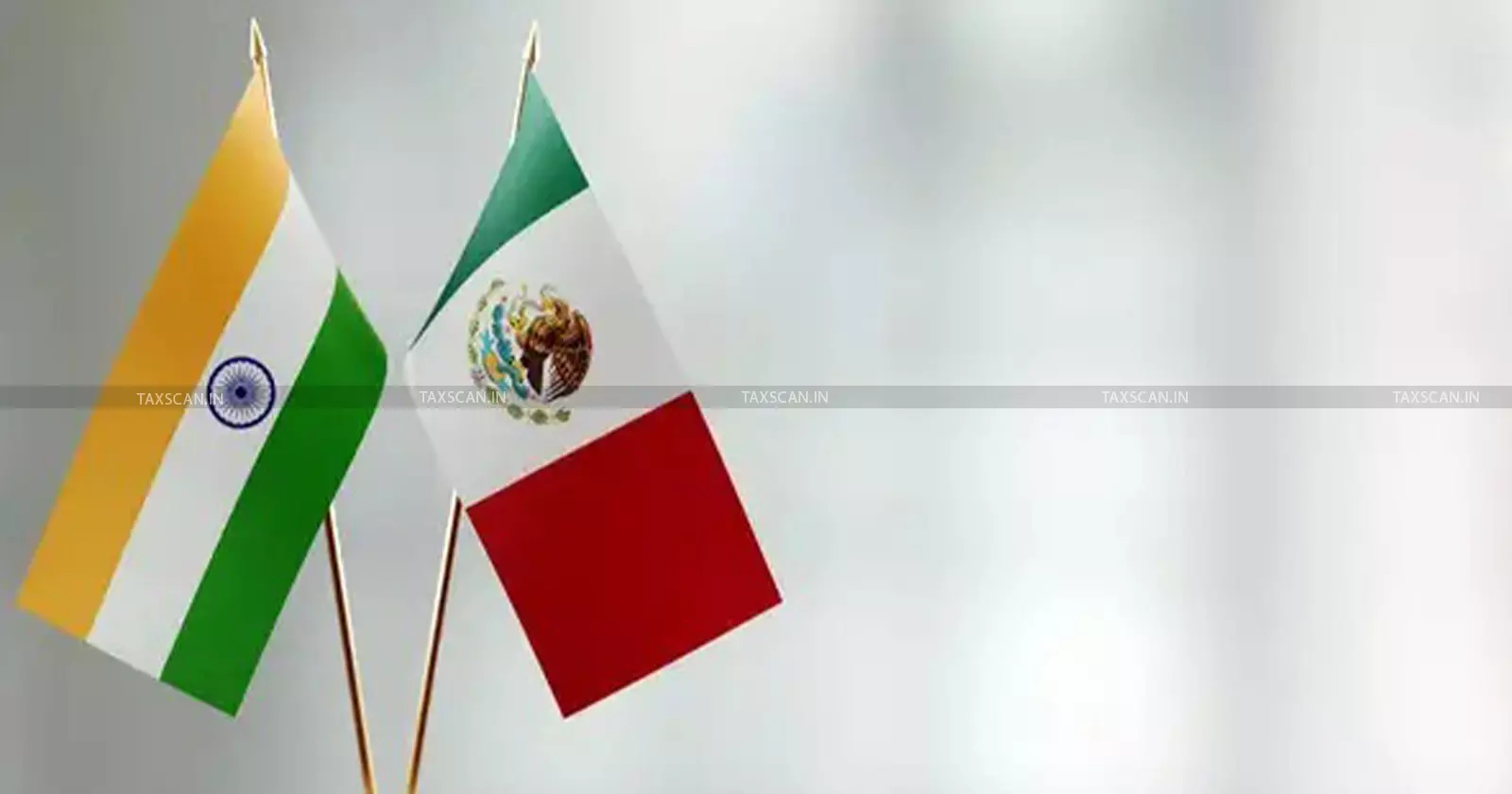
Mexico has announced a sweeping tariff overhaul that will sharply raise import duties on goods from countries with which it does not have a FreeTrade Agreement (FTA), including India, China, and Vietnam.
The new regime, approved by Mexico’s Senate, imposes duties of up to 50% on a wide range of products and is set to reshape trade flows into Latin America’s second‑largest economy. According to a report by the Economic Times, the move is aimed at protecting domestic manufacturers, curbing low‑cost imports, and strengthening Mexico’s fiscal position.
The tariff hike is particularly significant for India because Mexico is one of its most important export destinations in Latin America. India exported goods worth $5.3 billion to Mexico in 2023-24, with automobiles forming the single largest component.
Passenger vehicles alone accounted for nearly $1.87-1.9 billion of exports, making Mexico India’s third‑largest car export market after South Africa and Saudi Arabia. Under the new tariff structure, import duty on cars will rise steeply from 20% to 50%, posing a direct challenge to Indian automakers that rely on Mexico as a stable and high‑volume market.
Mexico’s decision is driven by a combination of domestic and geopolitical factors. The government has stated that the tariff increase is intended to shield local industries from a surge of inexpensive imports, especially from Asian economies.
Reports note that the measure is also expected to boost government revenue, a priority for the new administration. Analysts believe the policy may also be influenced by the United States, which has been pressuring Mexico to tighten controls on Chinese goods entering North America through the backdoor of the US‑Mexico‑Canada Agreement (USMCA).
By raising tariffs on non‑FTA countries, Mexico reduces the risk of becoming a trans‑shipment hub for Chinese products seeking to bypass US restrictions.
The tariff list covers more than 1,400 products, including automobiles, auto components, steel, plastics, textiles, footwear, household appliances, toys, and chemicals.
Companies such as Maruti Suzuki, Hyundai, Nissan, and Volkswagen export significant volumes of compact cars and SUVs from India to Mexico. A 50% duty could make Indian vehicles substantially less competitive compared to those imported from FTA partners such as the United States, Canada, and the European Union.
Complete Supreme Court Judgment on GST from 2017 to 2024 with Free E-Book Access, Click here
Industry experts warn that the tariff shock may force Indian automakers to reassess their export strategies.
Some may explore local assembly or joint ventures in Mexico to circumvent the tariff barrier, while others may divert shipments to alternative markets in Africa, the Middle East, or Latin America. However, such adjustments take time and investment, and the short‑term disruption could be considerable.
Beyond automobiles, India’s exports of steel, textiles, chemicals, and intermediate goods may also face headwinds. While these sectors are smaller in volume compared to automobiles, the tariff hike could erode margins and reduce India’s competitiveness relative to FTA‑partner nations.
Support our journalism by subscribing to Taxscan premium. Follow us on Telegram for quick updates