Budget 2026: Buybacks to Be Taxed as Capital Gains; Higher Tax for Promoters
Share buybacks will be taxed as capital gains for all shareholders, with higher additional tax imposed on promoters to curb misuse
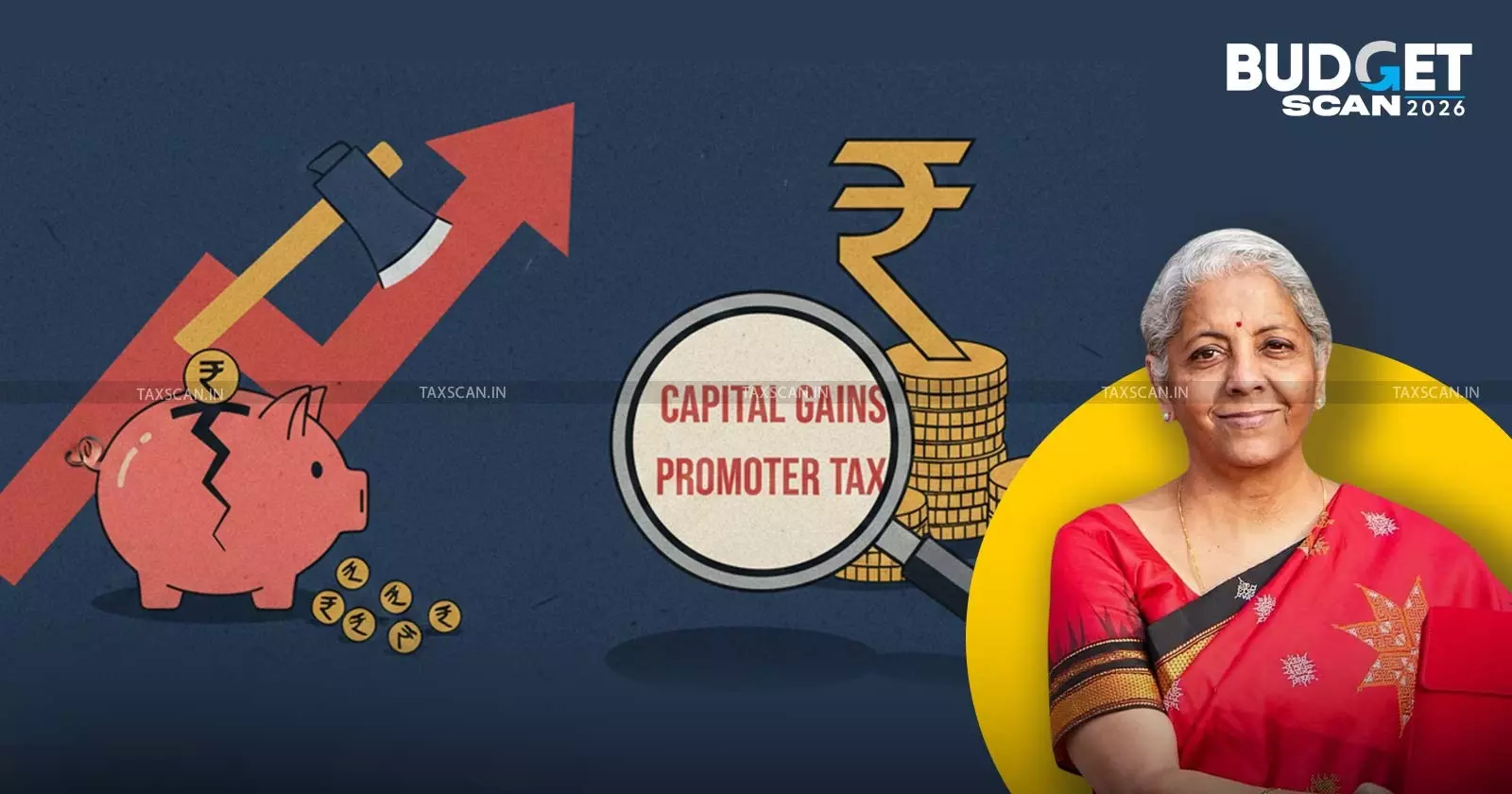
The Union Budget for the Financial Year 2026–27 was presented by Finance Minister Nirmala Sitharaman in the Lok Sabha today (Sunday, 1 February 2026), with the Government announcing a significant overhaul of the taxation framework for share buybacks, a move aimed at protecting minority shareholders and curbing tax arbitrage by promoters.
Under the new provisions, income arising from share buybacks will be taxed as capital gains in the hands of shareholders, replacing the earlier system under which companies paid a buyback distribution tax. The change aligns the tax treatment of buybacks with that of dividends and other capital market transactions.
To specifically discourage misuse of buybacks by promoters, the Finance Minister announced an additional tax on promoters participating in buybacks. As a result, the effective tax rate will be around 22 per cent for corporate promoters and 30 per cent for non-corporate promoters, depending on their tax status.
Because “as per Budget” is not enough in practice | Click Here
The government said the earlier framework had led to situations where promoters used buybacks as a tax-efficient mechanism to extract profits, often at the expense of minority shareholders who did not tender their shares. By shifting the tax incidence to shareholders and imposing a higher burden on promoters, the new regime seeks to create a more equitable and transparent system.
The move could lead companies to reassess their capital allocation strategies, particularly the choice between dividends and buybacks. While buybacks may remain attractive for genuine capital restructuring, the higher tax cost for promoters is likely to limit aggressive use of this route.
The change forms part of the government’s broader effort in Budget 2026 to plug tax loopholes, enhance fairness in the tax system, and improve confidence among retail and institutional investors in India’s capital markets.
Support our journalism by subscribing to Taxscan premium. Follow us on Telegram for quick updates