Budget 2026: Joint Taxation for Married Couples under Discussion? Details Explained
As per the reports, the ICAI has suggested joint taxation, taking inputs from countries such as the United States and Germany.
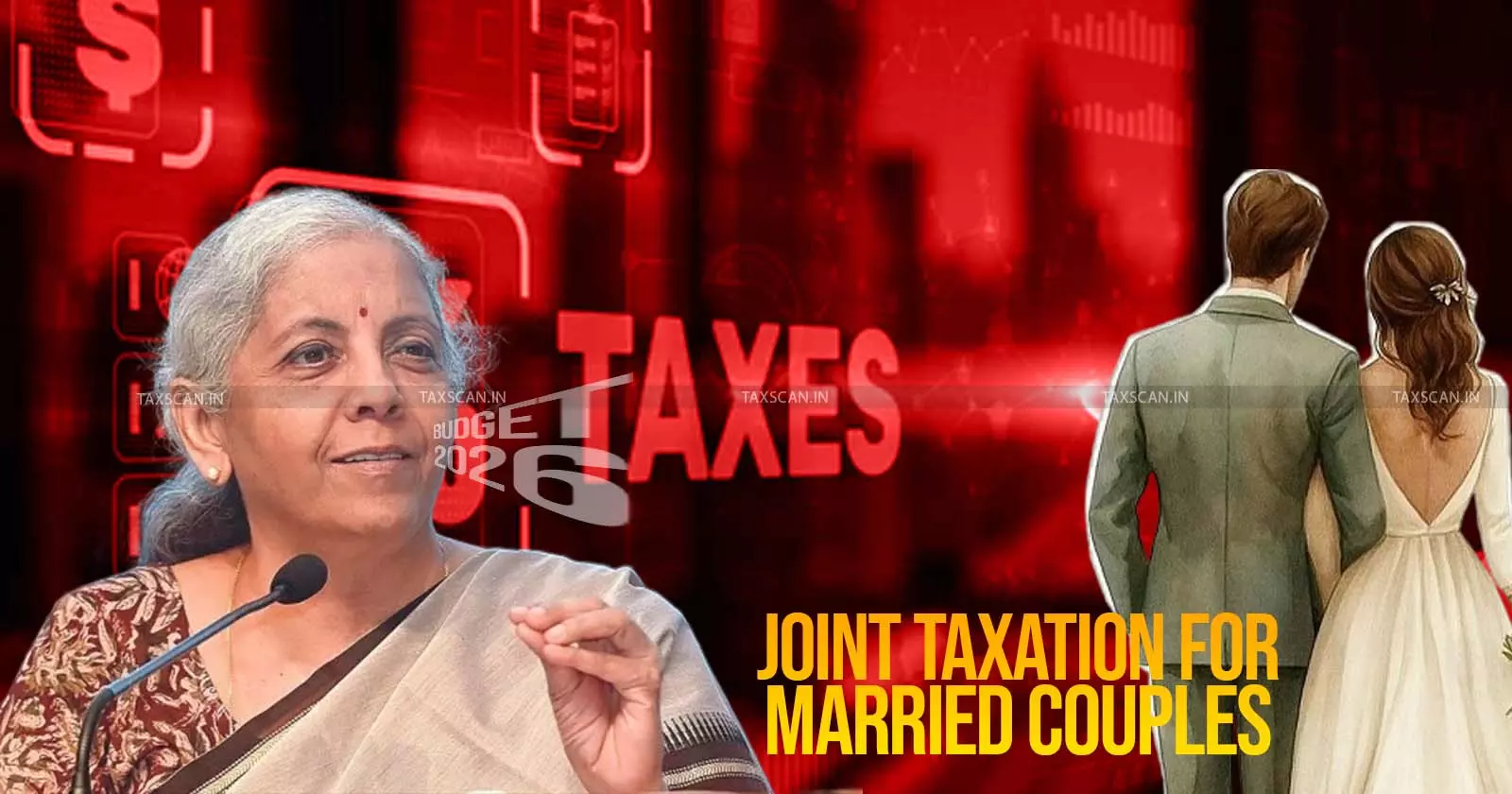
The Budget 2026 is scheduled to be presented on 1st February 2026 by the Financial Minister Nirmala Sitharaman. There are a lot of expectations and suggestions spreading in all industries. However, some can be speculative too. One kind of expectation is the joint taxation for married couples.
Coming to this year's budget, it has a lot of importance. This is the first budget to happen after the introduction of the Income Tax Act, 2025. And it is ahead of its implementation on 1st April 2026. Therefore, expectations itself are quite normal.
As per the current tax system, each individual has to file their own income tax return separately. The husband and wife have to file the ITR separately. By introducing joint taxation, it allows the couples to combine their income and file one return.
However, as similar to the new tax regime and old tax, the taxpayers can choose the same and opt for filing together or separately.
As per the NDTv report, the ICAI ( Institute of Chartered Accountants of India), has suggested joint taxation, taking inputs from countries such as the United States and Germany, where joint filing is permitted and the household is treated as a single unit for taxation purposes.
With regards to the identity credentials, now every return filer needs a PAN. When there is joint taxation for couples, instead of creating new PAN cards together, it is expected that the government restructure the portal to give separate PAN Ids of the couples or link the PAN together.
Impact on introducing Joint Taxation
The impact could be both positive and negative. If one spouse earns and the other has little or no income, joint filing can reduce overall tax by using higher combined exemption/slabs. It may help to optimize the loan interest and deductions.
Joint taxation may result in financial savings, but it may also cause practical difficulties. The department will have to deal with the additional grievances that may come from problems such as non-linking of PANs, disagreements in the event of separation or divorce, and challenges in returning to individual filing.
Furthermore, limiting this benefit to married couples may give rise to worries about unfair treatment of other taxpayers who are living as couples but not married or legally empowered to marry.
Support our journalism by subscribing to Taxscan premium. Follow us on Telegram for quick updates