CAAR Rejects Skoda’s EV Parts Classification Request Due to Pending Bombay HC Litigation [Read Order]
The ruling application was rejected as the same issue concerning classification of EV parts as individual components or as CKD kits is sub judice before the High Court.
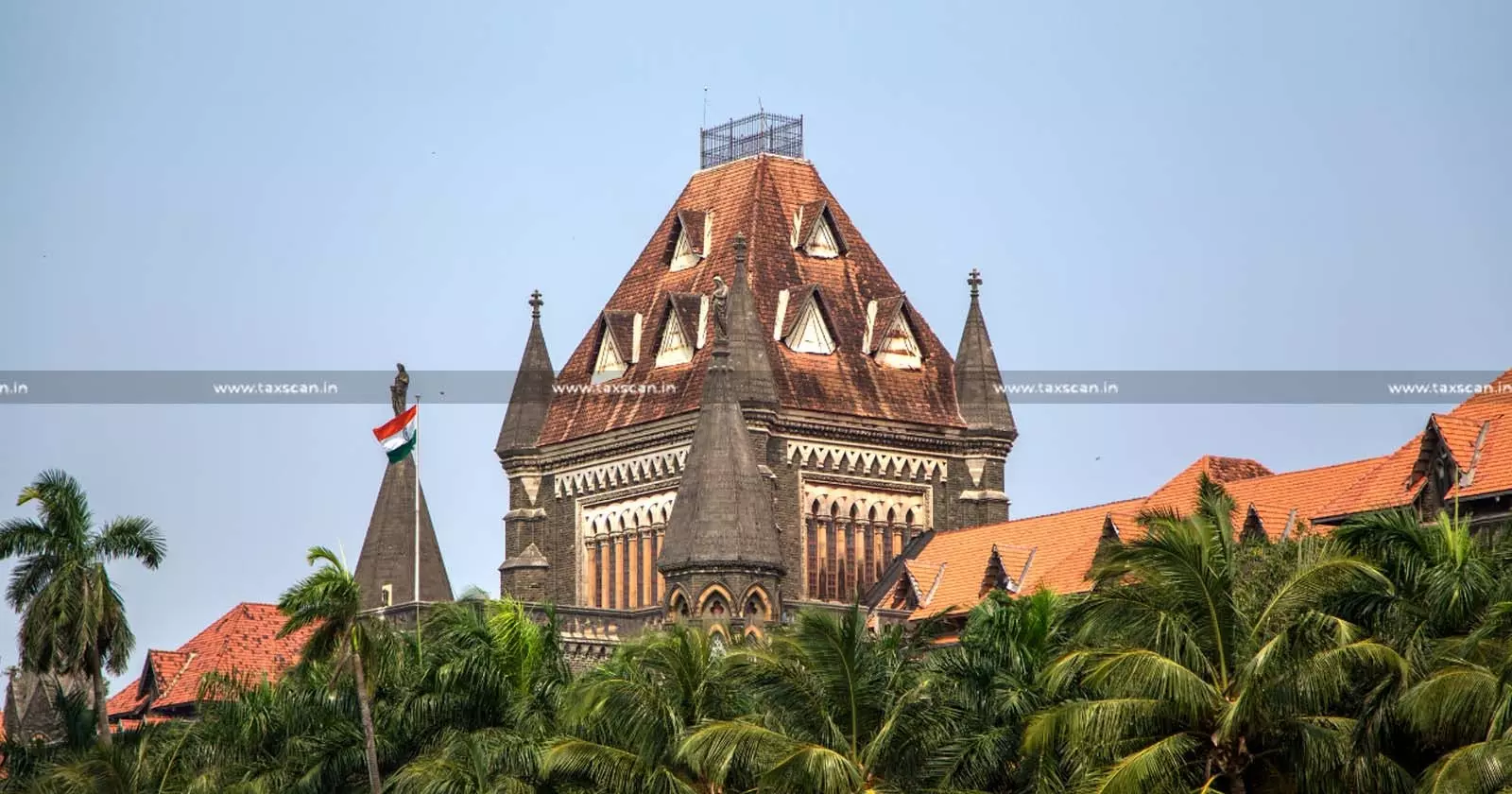
![CAAR Rejects Skoda’s EV Parts Classification Request Due to Pending Bombay HC Litigation [Read Order]](https://images.taxscan.in/h-upload/2025/12/02/2109533-caar-skoda-ev-parts-classification-request-pending-bombay-hc-litigation-taxscan.webp "CAAR Rejects Skoda’s EV Parts Classification Request Due to Pending Bombay HC Litigation [Read Order]")
The Customs Authority for Advance Rulings, Mumbai has declined to issue an advance ruling on the classification of various parts and components proposed for import for manufacturing battery-electric vehicles, noting that an identical question is already under consideration before the Bombay High Court.
Skoda Auto Volkswagen India Private Limited filed an application under Section 28-H of the Customs Act, 1962 seeking an advance ruling on whether the parts, components, sub-assemblies, and sub-parts proposed to be imported for assembling battery-electric vehicles should be classified under their respective headings of the Customs Tariff Act, 1975 or as an electrically operated vehicle under Tariff Heading 8703.
Clear all Your Doubts on RCM, TCS, GTA, OIDAR, SEZ, ISD Etc... Click Here
The company intends to manufacture critical systems namely the brake system, front and rear axle, and suspension system by using a combination of imported components and domestic procurement. The case arose as multiple consignments of parts would be imported separately, at different times and from various global parts expedition centres. The applicant sought clarity on whether such consignments could be treated as complete or unfinished motor vehicles under Rule 2(a) of the General Rules for Interpretation.
The authority examined the Show Cause Notice issued by the Commissioner of Customs (NS-V), Nhava Sheva, and noted that the question of classification of such imports as completely knocked down kits is already the subject of proceedings before the Bombay High Court. Accordingly, the authority was required to consider whether the application could be adjudicated in light of Section 28-I(2) of the Customs Act, 1962.
The applicant through a panel of representatives submitted that the parts to be imported do not constitute an incomplete or unfinished battery-electric vehicle as envisaged under Rule 2(a) of the General Rules for Interpretation, as certain essential components would not be imported and would instead be sourced domestically. Therefore, the goods imported “as presented” would not possess the essential character of a finished vehicle.
They sought a ruling on two specific issues, (a) whether the imported goods would fall under individual tariff headings or under Tariff Heading 8703, and (b) if classified under Tariff Heading 8703, the applicable concessional rate of duty under Serial Number 526A of Notification No. 50/2017-Customs.

The Single Bench of Prabhat K. Rameshwaram held that under Section 28-I(2) of the Customs Act, 1962, an advance ruling cannot be issued if the question raised is already pending in the applicant’s own case before any officer of customs, the Appellate Tribunal, or any Court.
Upon examining the Show Cause Notice and Writ Petition No. 2051 of 2025 pending before the Bombay High Court, the authority found that the same issue of classification of parts and components imported for BEV production as completely knocked down kits of motor vehicles under Tariff Heading 8703 is sub judice.
Since the question placed before the authority is identical to the issue pending before the High Court, the statutory bar under Section 28-I(2) was attracted. Therefore, the authority declined to issue an advance ruling and disposed of the application without adjudicating on the merits of classification.
Support our journalism by subscribing to Taxscan premium. Follow us on Telegram for quick updates