Can a CA appear During GST Summons Proceedings?
A CA can assist in GST summons proceedings but cannot automatically replace the summoned person where the officer requires that person’s own statement on facts
When a GST summons comes, most businesses get worried at once. The first question they ask is simple. Can the Chartered Accountant go and handle it? This doubt is common because the CA already handles returns, notices and tax advice for the business.
The answer is not a full yes and not a full no. A CA has an important role under GST law. But a CA cannot always stand in place of the person named in the summons. If the officer wants the statement of that person, then that person must appear. This is the real position under the law.
What section 70 says
Section 70 gives power to the proper officer to summon any person whose attendance is necessary. The purpose of the summons is to give evidence or to produce a document or any other thing in an inquiry.
Now section 70(1A) is very important. It says that all persons summoned must attend, either in person or by an authorised representative as the officer may direct. These words are the key. The officer will decide the mode of appearance. The taxpayer does not get full freedom to choose in every case.
So, if the officer says personal appearance is needed, then the person summoned must attend. If the officer allows appearance through an authorised representative, then that route can be used. That is why a CA cannot claim an automatic right to replace the summoned person in each and every case.
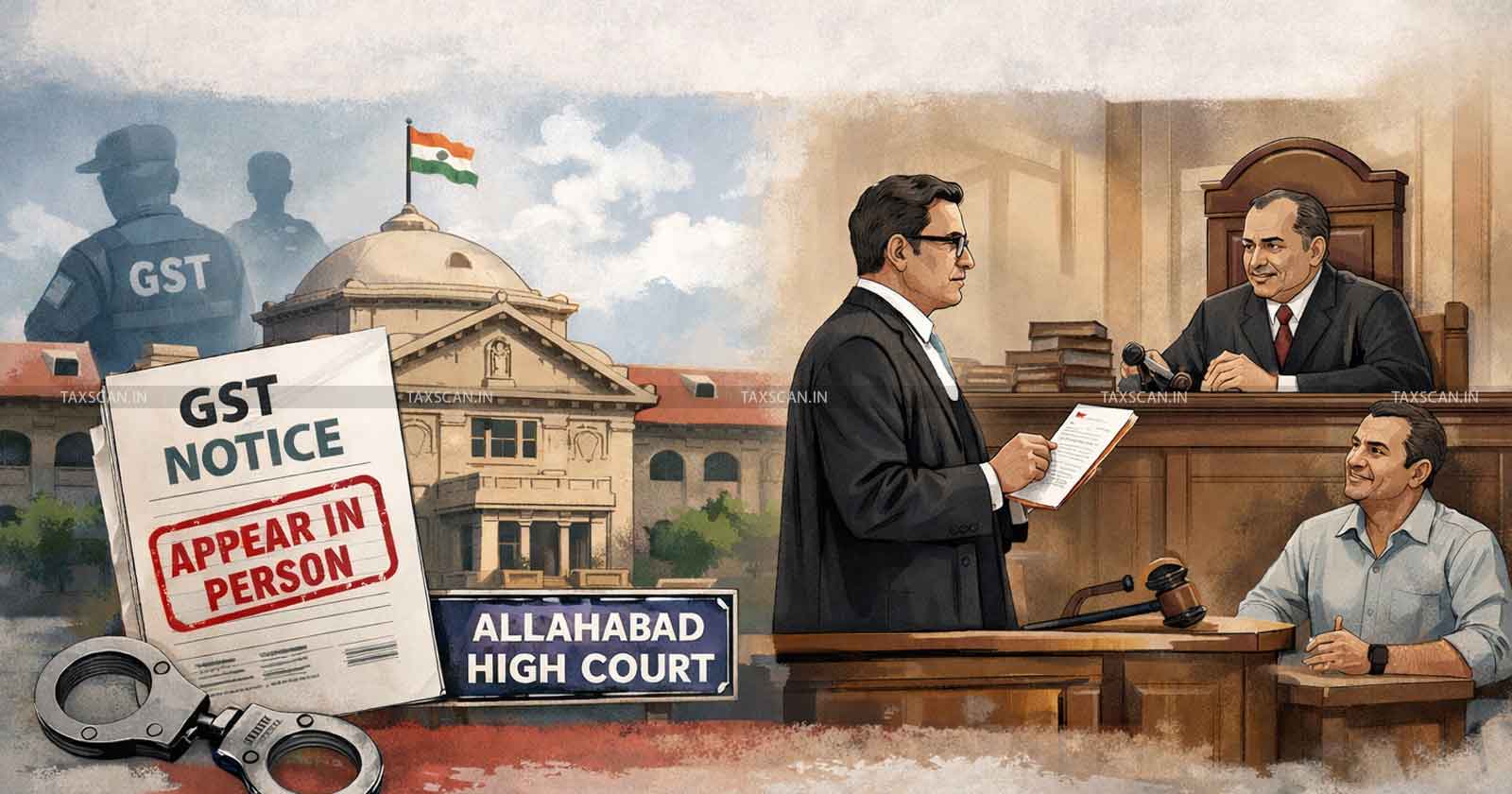
Exception for personal appearance
All persons summoned under GST are bound to attend before the officer concerned. But the law recognises a limited exception. Since section 70 adopts the civil court method, the exemptions under sections 132 and 133 of the Code of Civil Procedure must also be kept in mind. Women who, according to the customs and manners of the country, ought not to be compelled to appear in public are exempt from personal appearance.
Certain privileged persons named in section 133 of the CPC are also exempt from personal appearance. In such cases, the exemption is only from physical appearance. It does not wipe out the summons. The officer may still require compliance through an authorised representative or through another lawful mode consistent with section 70(1A).
Role of a CA under GST law
A CA is recognised as an authorised representative under GST law. A CA can draft replies, prepare appeals, and represent the taxpayer before tax authorities, appellate authority, and the Tribunal. That part is clear.
But investigation stage is different. At this stage, the CA acts more like an adviser and support person. The CA can read the summons, check if it is proper, collect records, prepare the person who has to attend, and guide the legal stand. The CA can also help after the statement is recorded, if correction or clarification is needed.
So the CA has a role but it is not the same role as in appeal or hearing.
Can a CA appear during summons proceedings?
Yes, a CA can appear in some situations. If the officer permits appearance through an authorised representative under section 70(1A), then a CA can appear. This will fit cases where the matter is based on records and where personal knowledge of the named person is not required.
A CA can also appear if the CA is summoned in his own name because of his own role such as auditor or tax adviser. In that case, the CA must answer only on facts within his own knowledge. The CA should not start giving opinions as if they are facts.
So the correct answer is not that a CA can never appear. The correct answer is that a CA can appear only within the limit allowed by the law and by the officer’s direction.
When a CA cannot replace the summoned person
This is the most important part.
If the officer wants the personal statement of the person who knows the facts then the CA cannot replace that person. For example, if the issue is about stock movement, vendor dealings, payment flow, contract terms, e-way bills, or business approvals, the officer may want the person who handled those matters.
A CA is not the author of those business facts. The CA may know the tax treatment, but the CA does not become the source of the transaction just because he prepared returns or advised on GST. The business facts stay with the business and with the people who dealt with them.
This is why a CA should not attend summons on behalf of the client and give evidentiary statements about the client’s day-to-day business affairs. That role belongs to the person who has first-hand knowledge.
What should the taxpayer do
Once summons is received, the taxpayer should not panic. The first step is to read the summons with care. The second step is to identify the issue under inquiry. The third step is to identify the correct person who has direct knowledge of the facts. The fourth step is to gather the documents and take legal advice before appearance.
The person attending should answer on facts. He should not guess. He should not give long explanations beyond the question. He should not mix legal opinion with facts. If any statement is recorded wrongly, it should be corrected at the earliest stage.
Support our journalism by subscribing to Taxscan premium. Follow us on Telegram for quick updates