Delhi Tax Office Asks Businesses to Pay GST in Cash Only: CA Shares Email, Sparks Debate
A Delhi tax officer’s email urging businesses to pay GST in cash instead of using ITC has sparked legal concerns
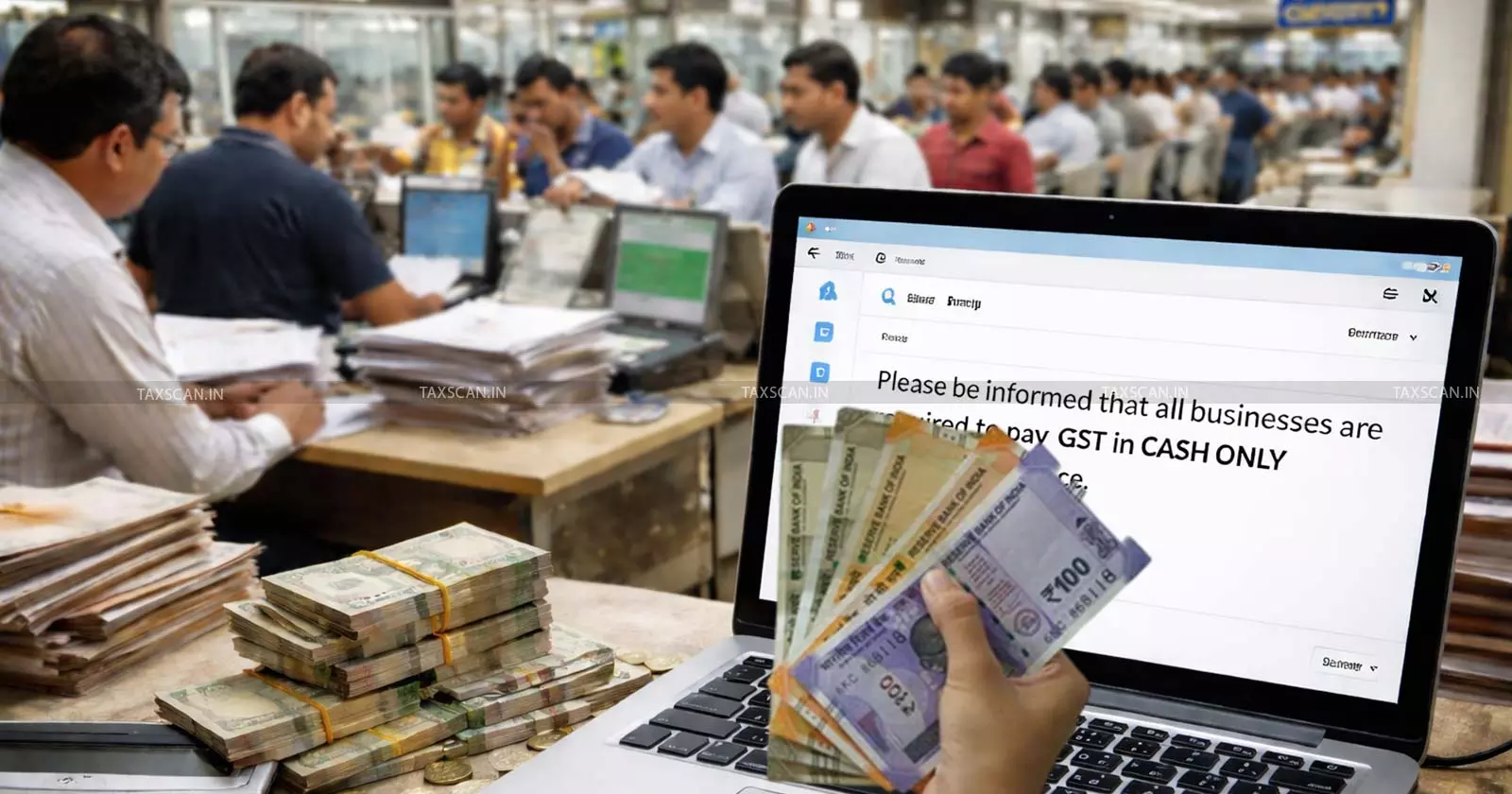
A recent email from a Delhi government tax office has sparked widespread concern among businesses and tax professionals, after officials reportedly asked taxpayers to limit the use of Input Tax Credit (ITC) and pay Goods and Services Tax (GST) in cash instead.
The controversy came to light on March 17, 2026, when chartered accountant Himank Singla shared the email on social media platform X (formerly Twitter). In his post, Singla alleged that similar practices were occurring across multiple states and linked the move to fiscal stress faced by governments.
“Bring more freebies = State don’t have funds = Harass businesses to pay GST in cash even though sufficient ITC balance exists! Is this really a good and simple tax?” he wrote.
The email, issued by the Proper Officer of Ward 67 of the Delhi Department of Trade & Taxes, referred to an “unprecedented shortfall in revenue” in the ward. It urged taxpayers to increase cash payments for SGST liabilities in their February 2026 returns and to deposit a lump sum in their electronic cash ledger between March 20 and March 31. It further suggested that ITC should be utilized only after March 31.
The communication has drawn sharp reactions from the tax community, with many questioning its legal validity. Chartered accountant Nitin Kaushik commented that such instructions appear inconsistent with GST provisions. “This doesn’t sit well with the GST laws. How can something like this be implemented?” he said, adding in a separate remark that taxpayers cannot be compelled to act against statutory provisions.
Under GST law, businesses are entitled to offset their tax liabilities using eligible ITC, a mechanism designed to prevent cascading taxation. Restrictions on ITC usage can only be imposed under specific legal provisions and typically on a case-by-case basis, such as in instances of suspected fraud or ineligible claims.
The episode has triggered broader debate online, with some users attributing the move to cash flow pressures faced by state governments, especially toward the end of the financial year. Others linked it to increased public spending, including welfare schemes, arguing that such measures may strain state finances and lead to administrative pressure on taxpayers.
At the same time, several business owners and professionals expressed frustration over what they see as rising compliance burdens under GST, particularly in a challenging economic environment marked by weak demand and tight margins.
There has been no official clarification from the Delhi government or the GST Council at the time of writing.
Support our journalism by subscribing to Taxscan premium. Follow us on Telegram for quick updates