

DGCA under Fire as IndiGo Crisis Leaves Thousands Stranded, Experts Question Regulatory Oversight and Consumer Rights Implementation
The IndiGo operational crisis exposed serious gaps in DGCA’s enforcement of consumer rights, including weak compensation, monitoring, and grievance systems and raised urgent questions on whether current aviation regulations sufficiently protected consumers or needed major reforms.
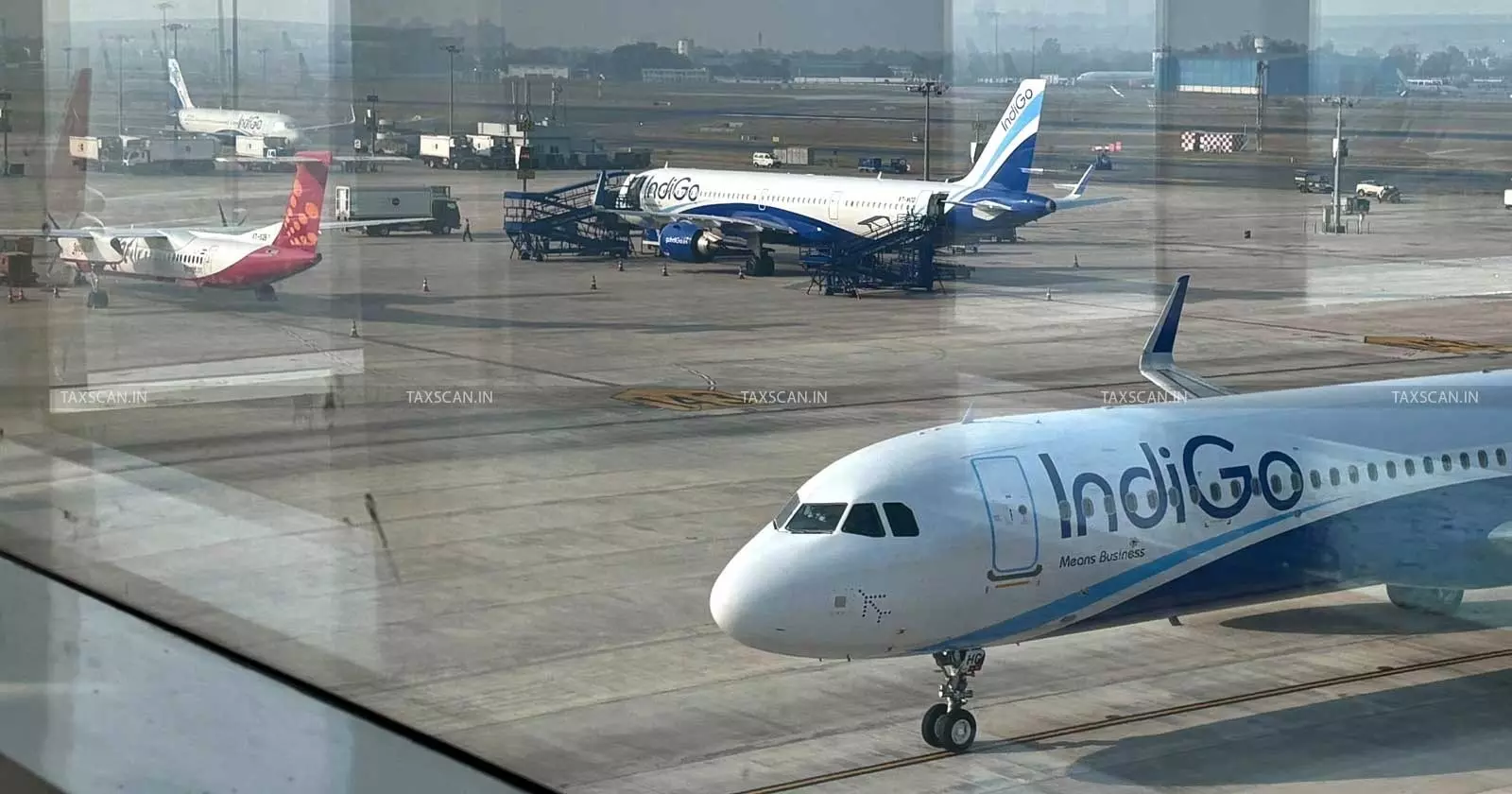
The recent IndiGo operational crisis, marked by widespread delays and cancellations, left thousands of passengers stranded across India. Aviation experts say the incident has revealed gaps in the Directorate General of Civil Aviation (DGCA’s) enforcement of passenger rights and transparency norms.
There were concerns over inadequate compensation, weak grievance redressal, and limited real-time oversight. The episode has renewed calls for stronger regulatory accountability to safeguard consumer interests in a rapidly growing aviation market.
BACKGROUND OF THE CRISIS
The recent widespread operational meltdown experienced by IndiGo Airlines, resulting in the stranding of thousands of passengers across various airports, has brought into sharp focus critical questions regarding regulatory oversight by the Directorate General of Civil Aviation (DGCA) and the effective implementation of consumer rights in the Indian aviation sector.
This crisis, characterised by numerous flight cancellations, extensive delays, and inadequate communication, has not only caused immense distress to passengers but has also ignited a public debate on the accountability of airlines and the efficacy of regulatory mechanisms designed to protect air travellers.
The experts and the public alike are questioning whether the existing framework adequately safeguard consumer interests against such large-scale service failures and if the DGCA is exercising its mandate with the requisite vigilance and promptness.
This incident notes the urgent need for a comprehensive review of existing regulations, a more proactive enforcement approach by the DGCA, and fresh mechanisms for consumer redressal to ensure accountability of airlines and uphold the fundamental rights of air travellers as enshrined under the Consumer Protection Act, 2019, and other relevant statutes.
This crisis necessitates an immediate and thorough investigation into the root causes of the disruptions, the adequacy of the airline's contingency plans, and the effectiveness of the DGCA's response, with a view to preventing recurrence and ensuring stringent compliance with service standards and passenger charters.
LEGAL FRAMEWORK
The regulatory landscape governing civil aviation in India is primarily anchored by the Aircraft Act, 1934, and the Aircraft Rules, 1937, which empower the DGCA to regulate air transport services. The Consumer Protection Act, 2019, further provides a robust framework for addressing grievances arising from deficiency in service, unfair trade practices, and restrictive trade practices by service providers, including airlines.
Additionally, the DGCA itself issues various Civil Aviation Requirements (CARs) that stipulate guidelines for airlines regarding passenger rights, including compensation for denied boarding, cancellations, and delays. The Motion for Consideration of The Aircraft (Amendment) Bill, 2020, as discussed on 17 March, 2020, further underscores the legislative intent to strengthen the regulatory framework for aviation safety and security.
GROUNDS OF CONCERN AND ANALYSIS
The operational crisis at IndiGo Airlines raises several pertinent legal and regulatory concerns, necessitating immediate attention and remedial action:
Because of Failure of Regulatory Oversight by DGCA: The scale and duration of the disruptions suggest a potential lapse in the DGCA's proactive monitoring and oversight functions. The DGCA's mandate extends beyond mere reactive intervention; it encompasses continuous surveillance, regular audits, and pre-emptive assessments of airline operational capabilities, maintenance schedules, and contingency planning to ensure adherence to safety and service standards.
The current crisis indicates that such continuous oversight may have been insufficient to detect and address systemic issues before they escalated into a widespread meltdown, thereby compromising passenger safety and convenience.
Because of Flagrant Violation of Consumer Rights: Thousands of passengers were left stranded without adequate notice, proper communication, alternative travel arrangements, or timely compensation. Such actions constitute a clear deficiency in service under the ConsumerProtection Act, 2019. Consumers have a right to information, choice, and redressal, all of which appear to have been severely compromised during this crisis. The airline's failure to uphold its contractual obligations to transport passengers as per booking terms directly infringes upon these fundamental consumer rights.
Because of Inadequate Transparency and Communication: A significant aspect of the crisis was the lack of clear, timely, and consistent communication from the airline to its affected passengers. This deficiency exacerbated passenger distress and prevented them from making informed decisions.
Under consumer protection principles, service providers are obligated to provide transparent information, especially during service disruptions, to enable consumers to mitigate their losses and inconvenience. The absence of such transparency can be construed as an unfair trade practice.
Because of Insufficient Compensation and Redressal Mechanisms: While DGCA CARs stipulate compensation for cancellations and delays, the implementation during this crisis appears to have been inadequate. Many passengers reportedly struggled to obtain appropriate refunds, re-routing, or accommodation.
The existing redressal mechanisms, both within the airline and through regulatory channels, must be robust enough to handle large-scale disruptions efficiently and ensure that affected consumers receive prompt and fair compensation without undue bureaucratic hurdles.
Because of Need for Stringent Enforcement and Penalties: The current penalties for non-compliance with DGCA regulations and consumer protection norms may not be sufficiently deterrent. To ensure accountability and prevent future recurrences, the DGCA must consider imposing stringent penalties that reflect the gravity of the disruption and the scale of consumer inconvenience and financial loss. This would send a clear message that consumer welfare cannot be compromised.
Because of the Precedent for Future Action and Policy Review: The handling of this crisis will set a precedent for how similar situations are managed in the future. It provides a critical opportunity for the DGCA and the Ministry of Civil Aviation to review and strengthen existing policies, regulations, and enforcement mechanisms. This review should encompass aspects such as mandatory minimum staffing levels, enhanced contingency planning requirements for airlines, and more accessible and efficient consumer grievance redressal systems.
The IndiGo crisis serves as a stark reminder of the critical importance of robust regulatory oversight and the unwavering implementation of consumer rights in the aviation sector. While airlines bear the primary responsibility for providing safe and reliable services, the DGCA's role as a vigilant guardian of public interest is paramount.
GST READY RECKONER: Complete Topic wise Circulars, Instructions & Guidelines Click here
A comprehensive and transparent investigation, coupled with decisive regulatory action and a strengthening of consumer protection frameworks, is essential to restore public confidence, ensure accountability, and prevent future recurrences of such widespread disruptions. The focus must shift from reactive measures to proactive prevention and stringent enforcement, thereby upholding the sanctity of consumer rights in India's rapidly expanding air travel market.
LATEST CIRCULAR ISSUED BY DGCA:
The DGCA issued several significant circulars in recent months aimed at enhancing aviation safety, consumer protection, and modernizing regulatory compliance. On December 18, 2024, the regulatory body released a circular mandating the transition of existing CAR-145 maintenance organizations to new Issue 3 requirements, which introduces comprehensive Safety Management Systems (SMS) with an implementation deadline of June 30, 2026. Earlier, on December 12, 2024, DGCA issued specifications and procedures for Electronic Personnel Licenses (EPL) for flight crew, marking a step toward digital transformation in licensing systems.
The revised Flight Duty Time Limitations (FDTL) norms were fully implemented by November 1, 2025, introducing strict caps on duty hours with mandatory extended rest periods and limits on night operations which contributed to the recent IndiGo operational crisis. Regarding fare regulation, on May 13, 2025, DGCA issued a directive requiring all scheduled domestic airlines to publish their tariff sheets conspicuously on their websites and submit route-wise tariff details to DGCA on the first day of every calendar month to maintain transparency and help travelers make informed choices.
DGCA's Tariff Monitoring Unit continues to monitor airfares monthly to ensure airlines operate within their declared fare ranges, balancing market-driven pricing with consumer protection through enhanced transparency requirements.
Support our journalism by subscribing to Taxscan premium. Follow us on Telegram for quick updates
