Ease of Living and Simpler Compliance: Direct Tax Reforms Lead Budget 2026-27
Including ITR due dates, TCS rates, the budget has holistically addressed many direct tax issues.
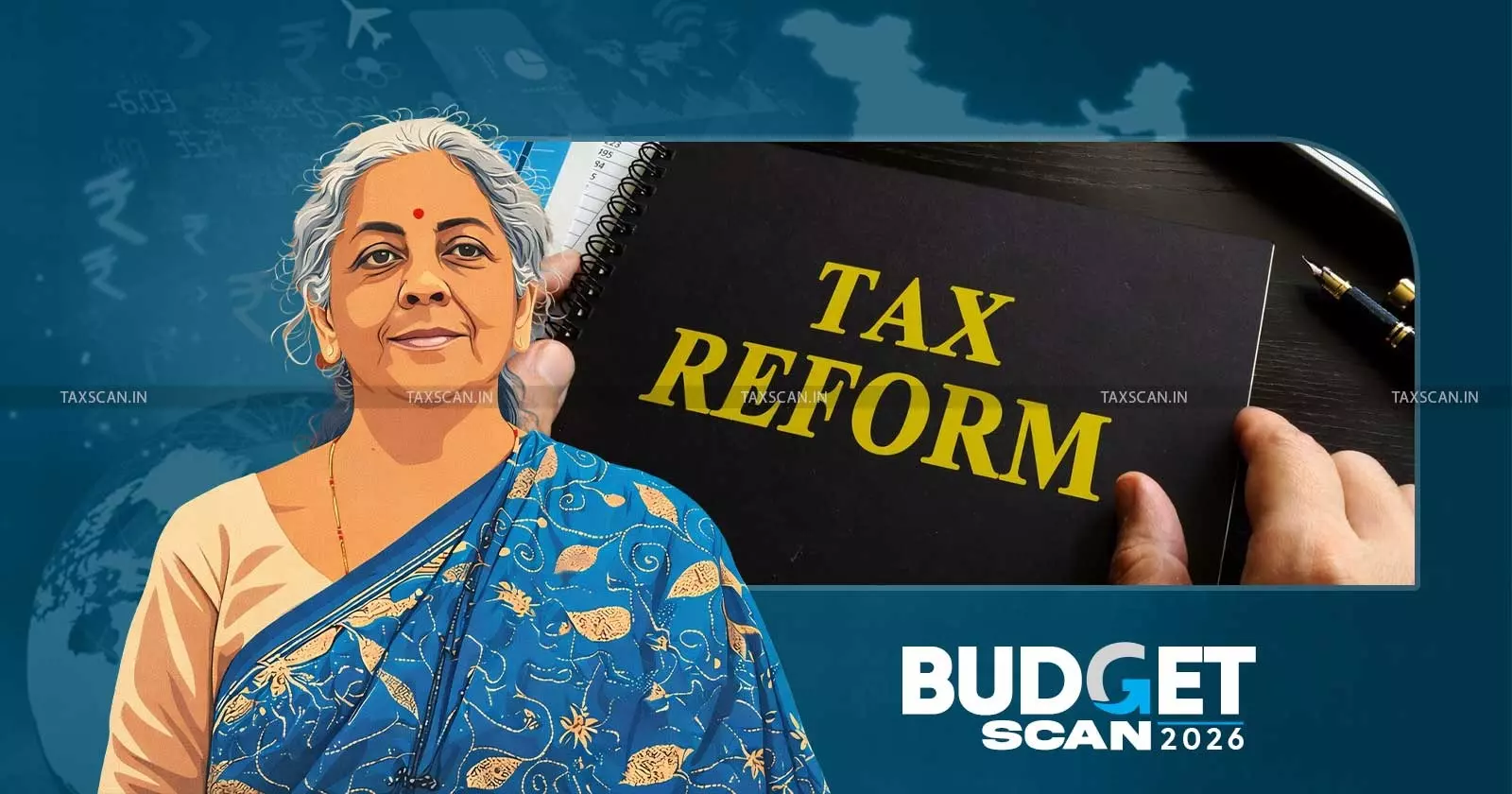
The Union Budget for the Financial Year 2026-27 was presented by Finance MinisterNirmala Sitharaman in the Lok Sabha today (Sunday, 1 February 2026). This is her 9th consecutive budget. The Finance bill proposing the tax changes and updates is out.
The government aiming for “ease of living” and “simpler compliance” has made reforms to the direct taxes in this budget.
The direct tax reform package focuses on practical pain points faced by individuals, small businesses, students, non-resident taxpayers, and retail investors, while also expanding rule-based automation to reduce interface with tax authorities.
Under the ease-of-living measures, the Budget proposes a full income-tax exemption for interest awarded by Motor Accident Claims Tribunals (MACT) to natural persons, along with removal of TDS on such interest. This will benefit the accident victims and their families
🔍 What changed after the Budget speech? The answer is in the notifications | Click Here
In another relief, the Tax Collected at Source (TCS) rate on overseas tour program packages is proposed to be sharply reduced from the current 5 % structure to a flat 2%, without any monetary threshold condition.
Similarly, TCS under the Liberalised Remittance Scheme (LRS) for education and medical purposes is proposed to be reduced from 5 percent to 2 percent, lowering upfront cash flow burden on families funding foreign education and treatment.
Additionally, to remove interpretational disputes and classification litigation, the Budget clarified that manpower supply services will be expressly covered within the scope of contractor payments for TDS purposes. It has confirmed the deduction at the lower contractor rates of 1 percent or 2 percent.
Also, the income tax return filing timelines have also been rationalised to reduce last-minute congestion and improve filing quality. Individuals filing ITR-1 and ITR-2 will continue to have the due date of 31 July, while non-audit business cases and trusts will get time till 31 August.
In addition, the last date for revising income-tax returns is proposed to be extended from 31 December to 31 March on payment of a nominal fee, giving taxpayers a longer correction window.
Further, the targeted relief has been proposed for small and first-time global earners including students, young professionals, tech employees, and relocated NRIs through a one-time six-month foreign asset disclosure scheme.
The scheme covers two classes of taxpayers: those who failed to disclose overseas income/assets and those who paid tax on income but could not declare the corresponding asset.
For the first category, where undisclosed foreign income or asset value is up to ₹1 crore, taxpayers can regularise by paying 30 percent tax plus 30 percent additional tax in lieu of penalty and receive prosecution immunity.
For the second category, covering assets up to ₹5 crore where income tax was already paid but asset disclosure was missed, immunity from penalty and prosecution is available on payment of a fixed fee of ₹1 lakh.
Therefore, altogether this budget really focused on the ease of living.
Support our journalism by subscribing to Taxscan premium. Follow us on Telegram for quick updates