GST Registrations Suspended Over Undelivered ‘Welcome Kits’, Small Businesses Raise Concerns
GST registrations of several small businesses are being suspended after India Post failed to deliver physical “welcome kits”, triggering verification doubts under new GST registration rules.
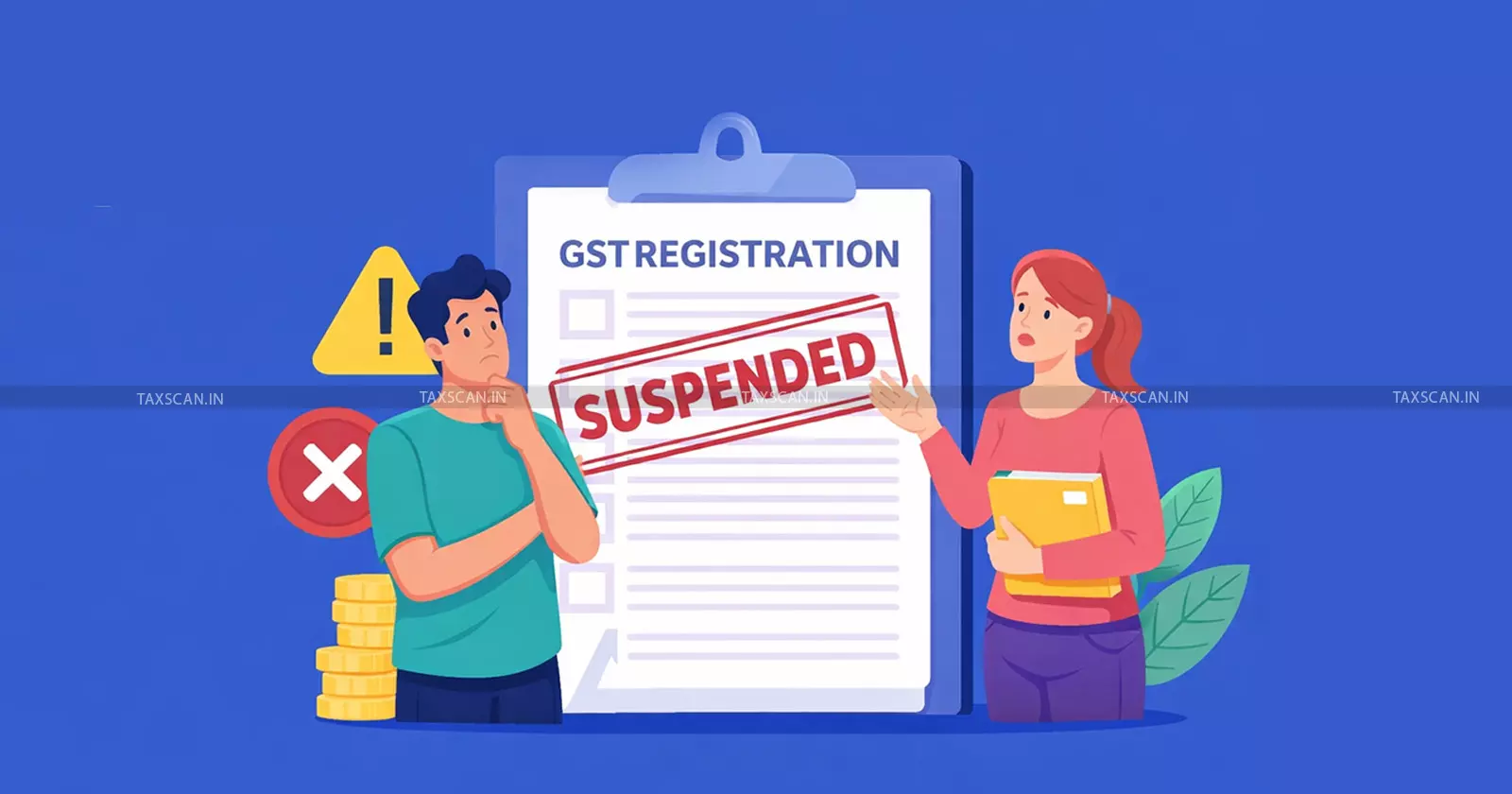
Many small businesses across India are facing problems after their newly issued GSTregistrations were suspended because a physical “welcome kit” sent by post could not be delivered to their business address.
The issue started after a new system introduced under Rule 14A of the CGST Rules, which came into effect on November 1, 2025. The rule allows faster GST registration for low-risk applicants through PAN and Aadhaar authentication. In many cases, GST numbers are granted within a few hours.
However, after the registration is approved, a welcome kit is sent through India Post to the declared business address. If the postal department fails to deliver the kit and it is returned, the GST system may assume that the business address is not genuine.
This can lead to suspension of the GST registration under Rule 21A, which allows authorities to suspend registrations if they have “reason to believe” that the registration may be incorrect or obtained by fraud.
The issue gained attention after a post by tax advisory firm Taxology India went viral on social media. The firm shared a case where GST registration was granted quickly under Rule 14A but was suspended within 20 days because the welcome kit could not be delivered.
Tax professionals say many genuine taxpayers are facing this issue because postal delivery can fail for several reasons, including address formatting problems, courier delays or local delivery issues.
Chartered Accountant Nagachandra Somu said that in some cases GST registrations were suspended from the very date of registration itself after the welcome kit was returned undelivered. According to him, suspending registrations based only on this assumption creates unnecessary trouble for genuine businesses.
Under GST rules, once registration is suspended, businesses cannot issue tax invoices, generate e-way bills or file GST returns. This can stop normal business operations and create financial difficulties.
This measure is seen as the verification process that helps detect fake GST registrations and tax fraud. Undelivered welcome kits may indicate that the declared business address does not exist.
However, many experts believe the system depends too much on physical postal verification in a digital tax regime. They suggest that digital methods such as GPS verification, online confirmation or electronic delivery of documents could be more effective.
The GST Network has acknowledged the concerns after the issue gained attention online and forwarded the matter to the tax authorities for review.
With GST now in its ninth year, the issue has triggered a debate on how the government can balance fraud prevention with ease of doing business for small taxpayers.
Support our journalism by subscribing to Taxscan premium. Follow us on Telegram for quick updates