

Income Tax Demands Against Empee Distilleries Extinguished After Approval of Resolution Plan: Madras HC [Read Order]
The Court held that all pre-resolution tax demands ceased to exist once the insolvency resolution plan was approved and attained finality.
![Income Tax Demands Against Empee Distilleries Extinguished After Approval of Resolution Plan: Madras HC [Read Order]](https://images.taxscan.in/h-upload/2025/12/05/2110343-income-tax-demands-against-empee-distilleries-extinguished-approval-resolution-madras-hc-taxscan.webp "Income Tax Demands Against Empee Distilleries Extinguished After Approval of Resolution Plan: Madras HC [Read Order]")
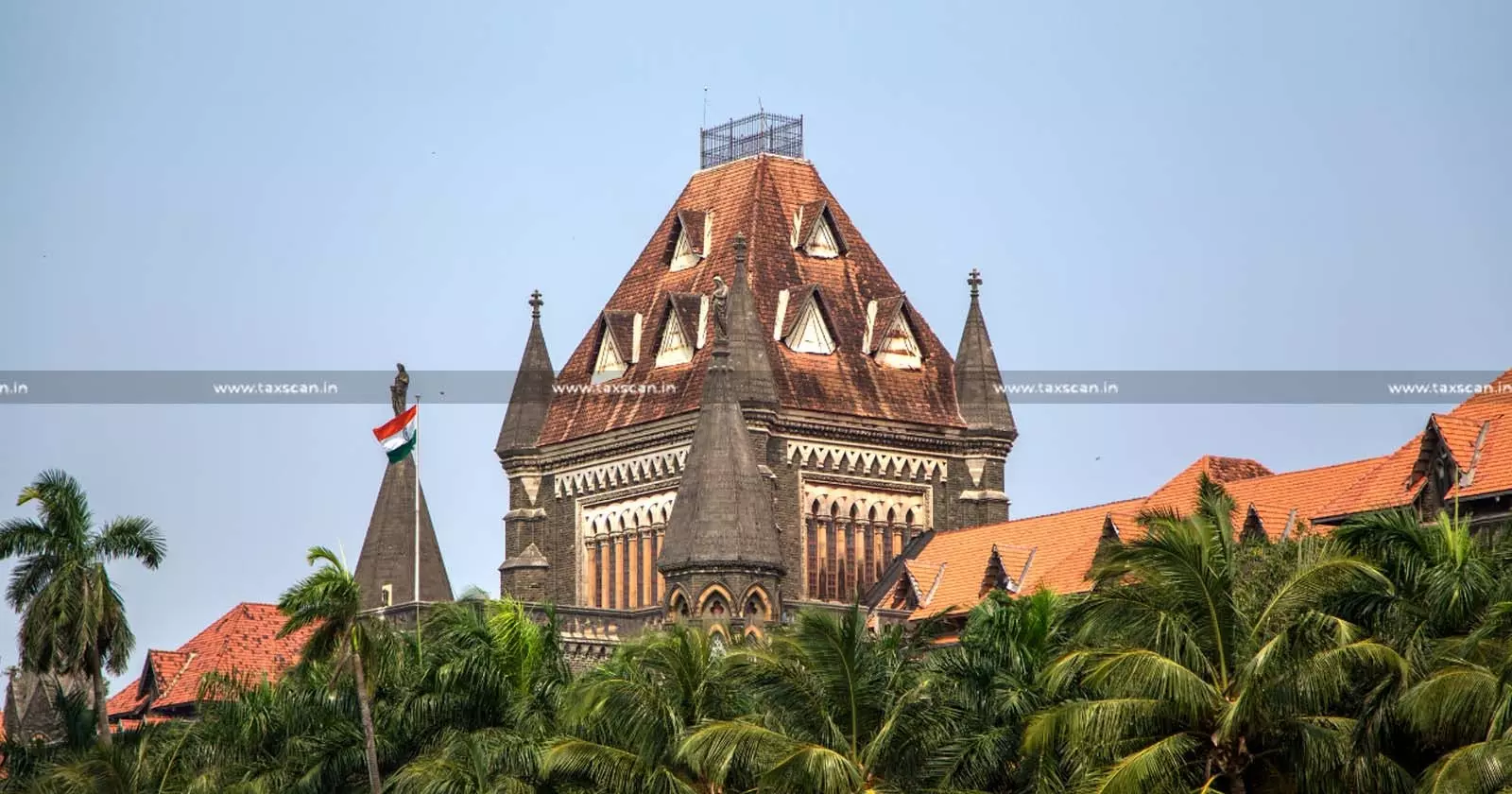
The Madras High Court has held that tax demands arising from assessment orders and appellate orders cannot survive once a resolution plan under the Insolvency and Bankruptcy Code, 2016 (IBC) is approved, ruling that all claims not incorporated in the approved plan stand fully extinguished.
The appellant, Empee Distilleries Limited, challenged the tax demands raised for Assessment Years 2008-2009, 2009-2010, and 2010-2011. The dispute arose after the Assessing Officer completed assessments that were later confirmed by the Commissioner of Income Tax (Appeals) and subsequently by the Income Tax Appellate Tribunal.
During this period, a corporate insolvency resolution process was initiated, culminating in the approval of a resolution plan by the National Company LawTribunal (NCLT). The appellant argued that, following such approval, all pre-resolution claims, including the tax demands under challenge, stood extinguished by operation of law.
The appellant, represented by Karthik Lakshmanan Arunachalam, contended that once the resolution plan under the IBC, 2016 was approved, all statutory dues not included in that plan automatically stood extinguished. Relying on the Supreme Court judgment in Ghanashyam Mishra and Sons Private Limited v. Edelweiss Asset Reconstruction Company Limited (2021), the appellant submitted that the Income Tax Act, 1961 cannot be invoked to recover tax dues preceding the approval of the resolution plan.
The Revenue, represented by T. Ravi Kumar, submitted that an application detailing the tax claim had been placed before the NCLT. However, the Department argued that the claim was neither admitted nor expressly rejected. Further, submitted that no appeal was preferred before the NCLT and that the Revenue’s claim ought to survive notwithstanding the resolution process.
The Bench comprising Chief Justice Manindra Mohan Shrivastava and Justice G. Arul Murugan held that the issue stood concluded by the judgment of the Supreme Court in Ghanashyam Mishra and Sons Private Limited (2021). The Court ruled that once a resolution plan is approved under Section 31 of the IBC, 2016, all claims not forming part of that plan including statutory dues under the Income Tax Act, 1961 stand frozen and are rendered unenforceable.
Since the Revenue neither challenged the NCLT order nor secured inclusion of its claim in the approved resolution plan, the tax demands arising from the assessment orders and appellate orders stood extinguished.
Accordingly, the Court held that no recovery proceedings could be pursued against the appellant for the relevant assessment years and allowed all three appeals.
Support our journalism by subscribing to Taxscan premium. Follow us on Telegram for quick updates
