

India-EU Trade Breakthrough: ‘Mother of All Deals’ Redraws the Global Tariff Map
The FTA marks India’s most far-reaching tariff liberalisation to date, that will materially reshape trade taxation, compliance and advisory practice
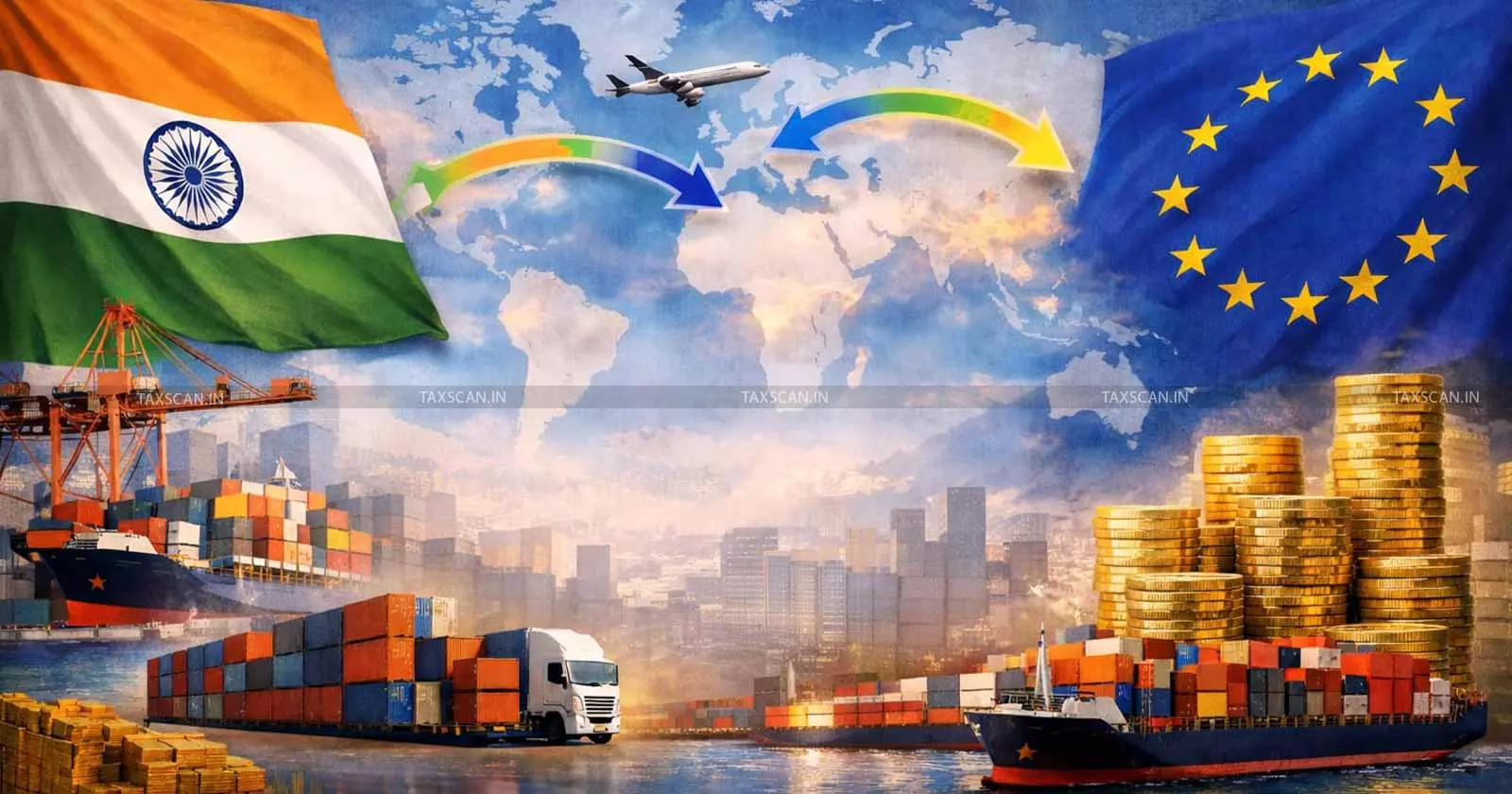
The EU-India trade agreement, dubbed "The Mother of All Deals," after almost two decades in the making was announced on 27 January 2026. The Free Trade Agreement (FTA) is one of the largest tariff liberalization commitments ever made by India and marks the beginning of an entirely new era for EU-India trade relations.
The importance of this FTA goes beyond sheer size; it contains extraordinarily detailed information regarding tariff elimination schedules, duty reduction percentages, tariff-rate quotas, and compliance obligations that will shape the future of bilateral trade between both countries. Quantitatively, about 99% of trade between the EU and India will have a preferential tariff status.
The FTA extends tariff concessions on approximately 92-96% of EU goods by trade value, with a significant proportion of tariff lines moving to zero duty either immediately or through phased reductions. Conversely, the EU will remove tariffs on approximately 90% of goods exported by India, with further increases every seven years until it reaches 93%.
Key Sectoral Tariff Reductions
Sector-specific duty changes will be central to transaction structuring:
- Automobiles: The Indian government will gradually reduce the import duties which are as high as 110% applicable to passenger vehicles imported from the EU to around 10% with the application of 250,000 vehicles a year quotas and staged implementation.
- Alcoholic Beverages: Currently the import duty on wine is high up to 150%. Over time, the EU intends to decrease the import duty on wine to the probable range of between 20% and 30% per litre according to the respective categories. Duties on spirits are projected to decline to approximately 40% and beer's duty to around 50%.
- Machinery, Electrical Equipment and Industrial Goods: Tariffs that are currently up to 44% on machinery and/or electrical/industrial goods will be essentially eliminated, thereby increasing cost competitiveness of EU manufacturing while increasing competitiveness of Indian industrial consumers through reduced input pricing.
- Chemicals, Pharmaceuticals and Medical Devices: The importation of chemicals which is 22% and of medicines 11% currently will be lessened to 0% on several tariff schedules provided the goods adhere to origin rules. As with the duties for medical devices currently levied at 6 to 7.5% will be eliminated .
- Textiles, Leather and Apparel: The EU will remove its tariffs which are levied at 11-17% on these products , allowing Indian labour-intensive exporters an improved ability to enter the EU markets.
Relaxation of Rules
The FTA introduces a large number of commitments that will have a direct impact upon the advisory and compliance functions of the entities involved:
- The streamlined customs procedures and greater digitalisation expected from the implementation of the FTA should result in lower clearance times and transaction costs.
- Rules of Origin (RoO) will be central in determining the preferential rates of duty that will apply to goods with complex and multiple jurisdictions in their supply chains .
- Documentation, certification, and verification mechanisms under the RoO chapter will require careful alignment with existing customs and GST processes.
Impact
While the FTA most directly addresses the removal of import duties, the broader scope of the treaty establishes a framework for stabilising and enhancing the reliability and predictability of policy, including the limiting of export taxes and/or prohibitions.
Interaction with Indirect Tax Regimes
The FTA's implementation requires careful coordination with:
- India's GST framework, including refund mechanisms, optimisation of input tax credits and the provision of export incentives; and
- EU VAT systems, particularly relating to valuation, place of supply and treatment of Import VAT.
If the benefits of the FTA are not aligned with the domestic indirect tax provisions, then the total duty savings that were expected to be achieved under the agreement will not be realised.
Timeline
The FTA will now go through a legal scrutiny and is expected to be phased-in over time with full implementation likely to be achieved by 2027.
India has shown that it wants to change how it thinks about customs duties by changing the views it had about revenue and industrial policies and how they affect the competitiveness of exports, integration of supply chains and certainty of investment. In responding to these structural changes, the European Union is now consolidating its long-standing position through nearly total use of duty-free access for the products exported from India, which provides manufacturers with a secure and economically significant marketplace for their products at a time when there has been fragmentation of trade at the global level.
The India-EU FTA is expected to be a transformational change to the tariff policy framework. The Mother of All Deals will be a catalyst for quantitative reductions of tariffs in key sectors as well as customs facilitation and is expected to affect how businesses manage tax, customs compliance and trade advisory in the future.
Support our journalism by subscribing to Taxscan premium. Follow us on Telegram for quick updates
