India-US Trade Deal: US Cuts Tariffs to 18%, India to Stop Buying Russian Oil
India-US trade talks cut US tariffs to 18% with President Trump saying India will stop buying Russian oil, a point not mentioned by PM Modi.
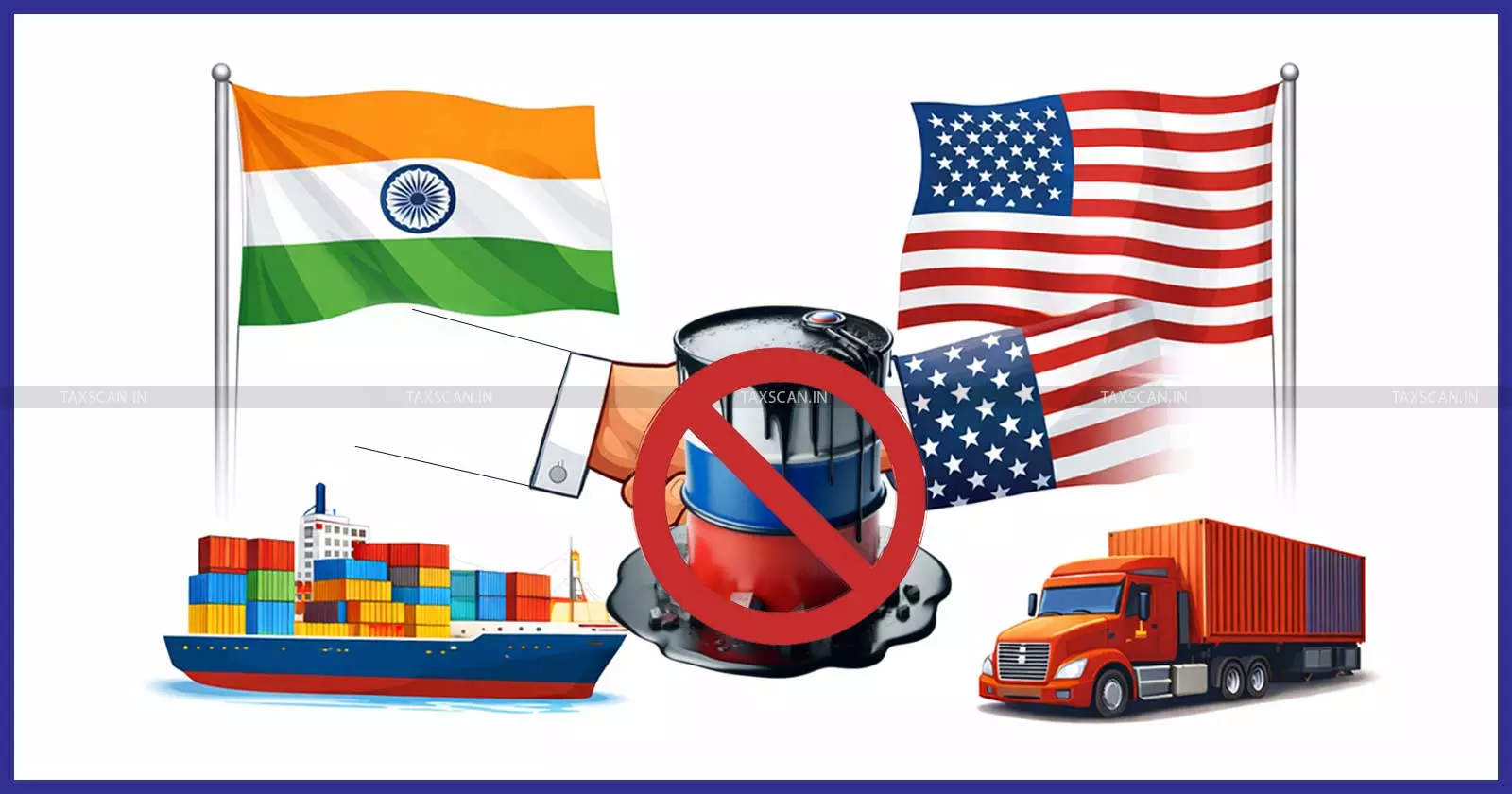
A new India-US trade announcement has brought tariffs, oil, and global politics into focus. US President Donald Trump said the United States will reduce tariffs on Indian goods to 18%. Prime Minister Narendra Modi welcomed the tariff cut and spoke about stronger cooperation between the two countries.
The announcement came after a phone conversation between the two leaders. Both leaders shared public messages after the call. Their statements matched on tariffs but differed on one major issue. The issue is India’s purchase of Russian oil.
What the tariff cut means
President Trump said the US will reduce reciprocal tariffs on Indian goods from 25% to 18%. This applies to Made in India products sold in the US market. Trump said the decision will take effect immediately.
For Indian exporters, a lower tariff improves price competitiveness. Lower tariffs reduce the landed cost of goods. This can help Indian companies compete better in the US market.
The tariff cut is seen as positive for trade relations. Export-oriented sectors like textiles, engineering goods, chemicals, and food products may benefit. Exporters are still waiting for clarity on product categories and customs process.
What Prime Minister Modi said
Prime Minister Modi confirmed the tariff reduction in his public post. He thanked President Trump for reducing tariffs on Indian products to 18%. Modi spoke about cooperation between two large economies and two major democracies.
Modi’s statement focused on trade, partnership, and future cooperation. His post did not mention any commitment on Russian oil purchases. The statement avoided energy policy or sourcing details.
This difference in messaging has drawn attention in India. Observers have noted that Modi’s post stayed within trade and diplomacy.
What President Trump said
President Trump gave a longer and more detailed statement. He said the tariff cut was part of a broader trade understanding. He linked the tariff reduction to India’s position on Russian oil.
Trump said India agreed to stop buying Russian oil. He also said India would buy more energy, technology, agricultural, and other products from the United States. He mentioned that India would reduce tariffs and non-tariff barriers against US goods.
Trump also linked the move to the Russia–Ukraine war. He said reducing Russian oil purchases would help end the war. Trump did not publish a detailed legal document along with the announcement.
The Russian oil question
The claim that India will stop buying Russian oil comes only from Trump’s statement. India has not confirmed this claim in public. Modi’s post does not refer to oil, Russia, or energy sourcing.
This difference matters for India. Oil imports affect inflation, fiscal balance, and fuel prices. India increased Russian oil imports after 2022 due to deep discounts.
Experts say a sudden stop in Russian oil imports can disrupt India’s economy. Credit rating agencies have warned that such a move can raise costs and inflation. Any change in oil sourcing needs careful planning.
Why oil is linked to tariffs
The US has used tariffs as a policy tool to pressure countries buying Russian energy. Under Trump, trade policy and foreign policy have often moved together. India’s oil imports became part of this trade discussion.
The tariff cut is being presented by the US as an incentive. The incentive is linked to shifting away from Russian crude. India has not publicly accepted this linkage.
India has, at times, reduced Russian oil purchases due to changing discounts and market conditions. These changes were commercial decisions rather than policy announcements.
Impact on Indian exporters
The tariff reduction to 18% can help Indian exporters in the short term. Lower duties improve margins or allow price cuts. This can support orders from US buyers.
Exporters still need clarity on implementation. They also need clarity on whether any hidden or sector-specific duties remain. The final impact depends on customs rules and official notifications.
Impact on India’s energy strategy
If India reduces Russian oil intake, it must source oil from other regions. Replacement supplies may come from the Middle East, the US, or Latin America. These barrels usually cost more than discounted Russian crude.
Higher oil costs can affect fuel prices and freight. Higher import bills can also impact the rupee and the current account. These factors make energy decisions sensitive.
India’s refiners often prefer gradual shifts rather than sudden stops. Long-term contracts and refinery configurations also matter.
What to watch next
The next step is official documentation. A joint statement or trade text can clarify commitments. Customs notifications in the US will show how tariffs are applied.
India’s future statements on Russian oil will also matter. Actual changes in import data will reveal the real direction. Refinery contracts and shipping data will give clearer signals.
Support our journalism by subscribing to Taxscan premium. Follow us on Telegram for quick updates