

Is Nirmala Sitharaman the Longest-Serving Finance Minister?
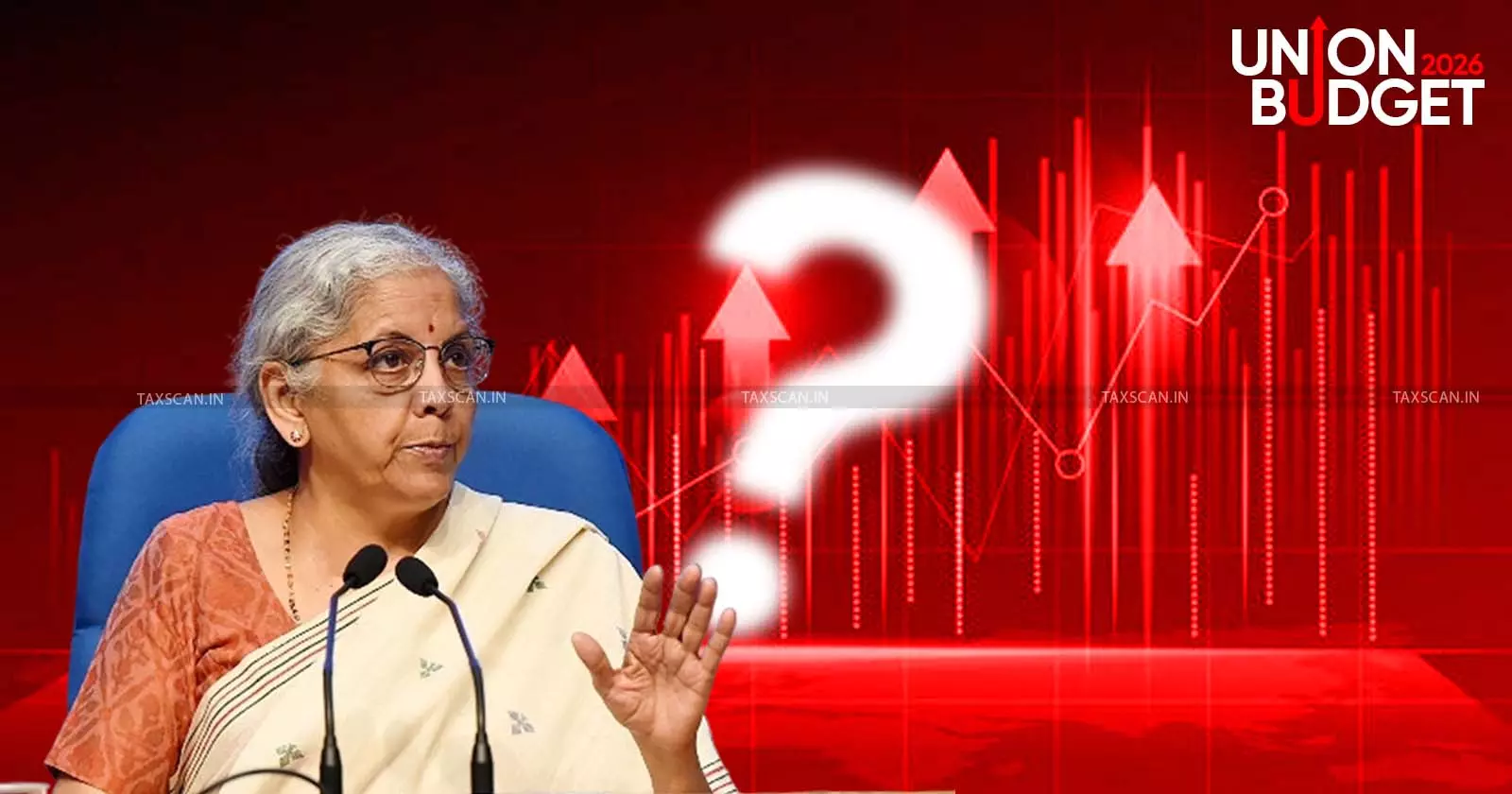
On Sunday, 1 February 2026, Nirmala Sitharaman presents Union Budget 2026, her ninth consecutive budget, an unprecedented moment in India’s parliamentary history. She becomes the first finance minister to deliver nine budgets in a row, raising the headline question: is she now the longest-serving finance minister?
Union Budget 2026 is going to face a tremendous history made on February 1, Sunday. Nirmala Sitharaman, the current finance minister on the verge of delivering the ninth budget in a row, shines in making the cap of holding the longest-serving finance minister in independent India. But the actual concern of on what basis the “longest serving” should be given is deviated to answer the same in three manners: total budgets presented, consecutive budgets, and continuous tenure in office.
By total number of budgets, the current finance minister, Nirmala Sitharaman, is not the longest-serving. Morarji Desai still holds that record with ten Union Budgets across two terms, while P. Chidambaram and Nirmala Sitharaman are tied at nine each, even though Chidambaram’s are spread over four separate stints. Where Sitharaman clearly sets records is in continuity: all nine of her budgets have been consecutive, breaking Desai’s previous mark of six in a row.
Her time in office also tells a similar story about the continuity in her tenure. Sitharaman has served continuously as Finance Minister since 31 May 2019, more than six years and eight months without a break, making hers the longest uninterrupted tenure in the post in independent India. Earlier long-serving finance ministers like C.D. Deshmukh, Morarji Desai, and P. Chidambaram either served for shorter continuous periods or across different stints.
This year's budget also works alongside a historic juncture. It is the first Union Budget to operate alongside the new Income Tax Act, 2025, which replaces the six-decade-old Income Tax Act, 1961, from 1 April 2026. The new law simplifies and restructures direct taxes, cuts and consolidates sections and chapters, and introduces a single “Tax Year” in place of the older “previous year/assessment year” framework. This means every direct tax change in this budget will now plug into a fresh statute instead of the old, heavily amended one.
Apart from the political records, sits the constitutional part. Article 112 of the Constitution requires an Annual Financial Statement to be laid before Parliament, while Articles 113–117 govern Demands for Grants, the Appropriation Bill, and the Finance Bill, ensuring no money can leave the Consolidated Fund of India without parliamentary approval.
The FRBM Act, 2003, adds another layer, forcing the government to lay out medium-term targets and stick to a path of fiscal consolidation, with the current aim of bringing the deficit below 4.5% of GDP.
Sunday scheduling adds a final twist. Since the date was shifted to 1 February in 2017, this is the first time the budget falls on a Sunday, but the government has chosen to stick with the tradition, with stock exchanges even arranging a special trading session. In that sense, Budget 2026 is more than a set of numbers: it is the point where a record-breaking minister, a new tax code, and a long-evolving constitutional process converge in one morning in the Lok Sabha.
Support our journalism by subscribing to Taxscan premium. Follow us on Telegram for quick updates
