Marketplace vs Inventory Model under GST: Where Tax Risk Is Highest
GST risk is highest when an e-commerce platform claims to be a marketplace but exercises inventory-level control because tax liability under GST depends on actual conduct and not on contractual labels.
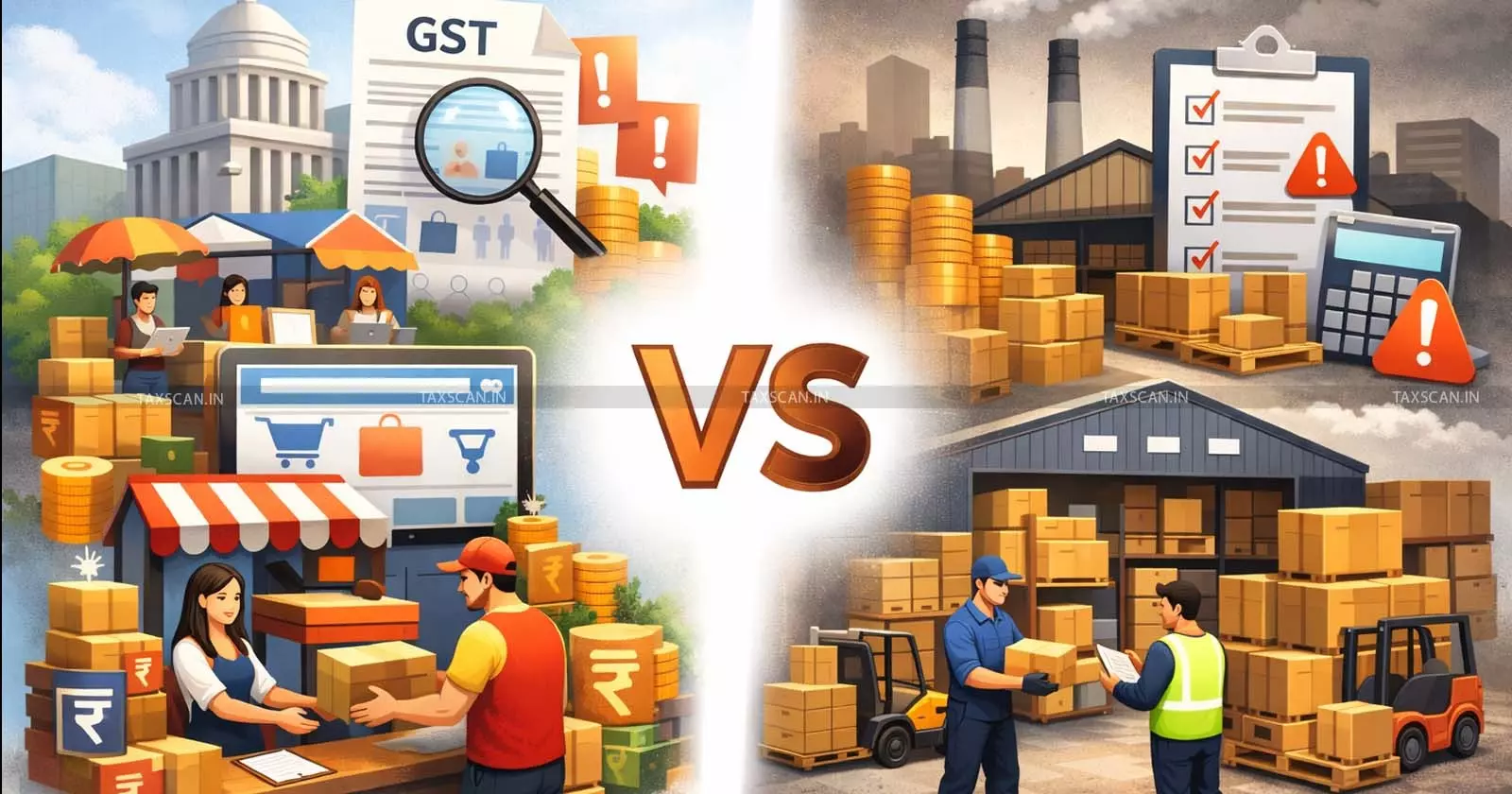
E-commerce businesses in India operate under two main structures. One is the marketplace model, where the platform connects buyers and sellers. The other is the inventory model, where the platform purchases goods, holds stock, and sells directly to customers. This distinction decides who issues invoices, who reports turnover, who claims input tax credit, and who bears Goods and Services Tax (GST) liability.
The highest GST risk arises when a business claims to operate as a marketplace but functions in substance like an inventory seller.
Key GST Provisions that Decide the Model
GST law begins with definitions under the Central Goods and Services Tax Act, 2017.
Section 2(44) defines electronic commerce as:
“the supply of goods or services or both, including digital products over digital or electronic network.”
Section 2(45) defines electronic commerce operator as:
“any person who owns, operates or manages digital or electronic facility or platform for electronic commerce.”
These definitions apply to both marketplace and inventory models. The difference arises from who supplies the goods or services.
Tax Collection at Source and Data Control
Section 52(1) of the CGST Act provides:
“Every electronic commerce operator, not being an agent, shall collect an amount calculated at such rate not exceeding one per cent… of the net value of taxable supplies made through it by other suppliers where the consideration with respect to such supplies is to be collected by the operator.”
Section 52(12) authorises the department to seek details of:
“supplies effected through such operator during any period” and “stock of goods held by the suppliers making supplies through such operator in the godowns or warehouses managed by such electronic commerce operator.”
This provision allows tax authorities to test whether a platform is only facilitating sales or exercising supplier-level control.
Marketplace Model Under GST and Risk Areas
In the marketplace model, sellers list goods on the platform. The seller fixes the price, issues the tax invoice, and bears responsibility for the supply. The platform earns commission and pays GST only on that commission.
High-Risk Areas in the Marketplace Model
The highest risk arises when fulfilment centres are involved. If seller-owned goods are stored in warehouses owned or managed by the platform, the seller must declare such warehouses as an additional place of business. Failure results in place of supply errors, invalid invoices, and input tax credit denial.
Another major risk is pricing and discount control. When the platform controls final pricing or funds discounts without proper documentation, the department questions whether the platform is the real supplier.
Mismatch between platform TCS returns and seller outward supply returns also leads to assessments and recovery proceedings.
Inventory Model Under GST and Exposure
In the inventory model, the platform buys goods and sells them in its own name. It issues invoices, collects payment and claims input tax credit.
This model places full GST exposure on the platform. Any error in classification, valuation, or credit directly affects the platform’s tax liability.
The Grey Zone Where GST Risk Is Highest
The highest GST risk exists where a platform claims to be a marketplace but performs inventory-type functions.
Tax authorities examine actual conduct. They test who controls pricing, who funds discounts, who manages returns, who controls warehousing, and who bears risk of loss.
Department View
If the platform controls core commercial terms, it is treated as the supplier. GST is demanded on the full transaction value, not merely on commission.
Business View
Businesses argue that title to goods remains with sellers, invoices are seller-to-customer, and the platform earns only service income. Disputes arise when contracts do not match operations.
Section 9(5): Deemed Supplier Risk
For notified services, the marketplace label does not protect the platform.
Section 9(5) of the CGST Act states:
“the Government may specify categories of services the tax on intra-State supplies of which shall be paid by the electronic commerce operator if such services are supplied through it, and all the provisions of this Act shall apply to such electronic commerce operator as if he is the supplier liable for paying the tax.”
In these cases, the platform must pay GST even if it does not provide the service directly.
Relevant AAR Ruling
In an Advance Ruling concerning the Yatri Sathi mobile application, the authority examined whether the app developer was liable under Section 9(5) for passenger transport services. The ruling held that the app developer was not the supplier because drivers provided the service, controlled pricing, and received payment. The platform only facilitated registration and did not allocate rides or collect fares. Hence, Section 9(5) did not apply.
This ruling shows that factual control determines liability, not platform branding.
Multiple Operator Structures and TCS Risk
Large e-commerce groups often split marketplace operations, payment settlement, and logistics across entities. GST law places TCS responsibility on the entity that releases payment to the seller.
This exposes the payment entity to notices, audits, and penalties even if another group company owns the platform.
Where GST Risk Is Highest in Practice
GST risk is highest when:
- Warehouses are used without seller place-of-business registration
- Platform returns do not match seller returns
- Discounts are funded without clear invoicing structure
- Platform controls pricing and returns but claims marketplace status
- Section 9(5) services are handled without role clarity
Conclusion
GST law does not rely on labels. It relies on facts. The marketplace and inventory models carry different tax obligations, but risk arises when business conduct blurs the line between them.
The marketplace model faces highest risk when operational control increases. The inventory model faces higher risk in credit, valuation, and stock disputes.
Support our journalism by subscribing to Taxscan premium. Follow us on Telegram for quick updates