No Abetment without Knowledge or Intent to evade: CESTAT Sets Aside ₹15 Lakh Customs Penalty On CFO [Read Order]
CESTAT rules that negligence without knowledge or intent cannot be treated as abetment under the Customs Act and sets aside ₹15 lakh penalty on CFO.
![No Abetment without Knowledge or Intent to evade: CESTAT Sets Aside ₹15 Lakh Customs Penalty On CFO [Read Order]](https://images.taxscan.in/h-upload/2025/12/26/2114985-abetment-cestat-customs-penalty-cfo-taxscan.webp "No Abetment without Knowledge or Intent to evade: CESTAT Sets Aside ₹15 Lakh Customs Penalty On CFO [Read Order]")
The Chennai Bench of the Customs, Excise and Service Tax Appellate Tribunal (CESTAT) quashed a Rs. 15 lakh penalty on the Chief Finance Officer, observing that mere negligence without knowledge or intent to evade was not sufficient for Abatement.
Asheesh Chatterjee, the appellant, was the Chief Finance Officer of Moser Baer India Ltd., which had imported recorded media containing foreign feature films. The Directorate of Revenue Intelligence initiated an investigation alleging that the company had undervalued the imports by not including licence or royalty fees paid to foreign suppliers in the assessable value.
During the investigation, statements were recorded and the company paid the differential customs duty. A show-cause notice was issued proposing penalties on the company as well as on the appellant under Section 112(a) and/or 112(b) of the Customs Act, alleging that he had abetted the evasion of customs duty.
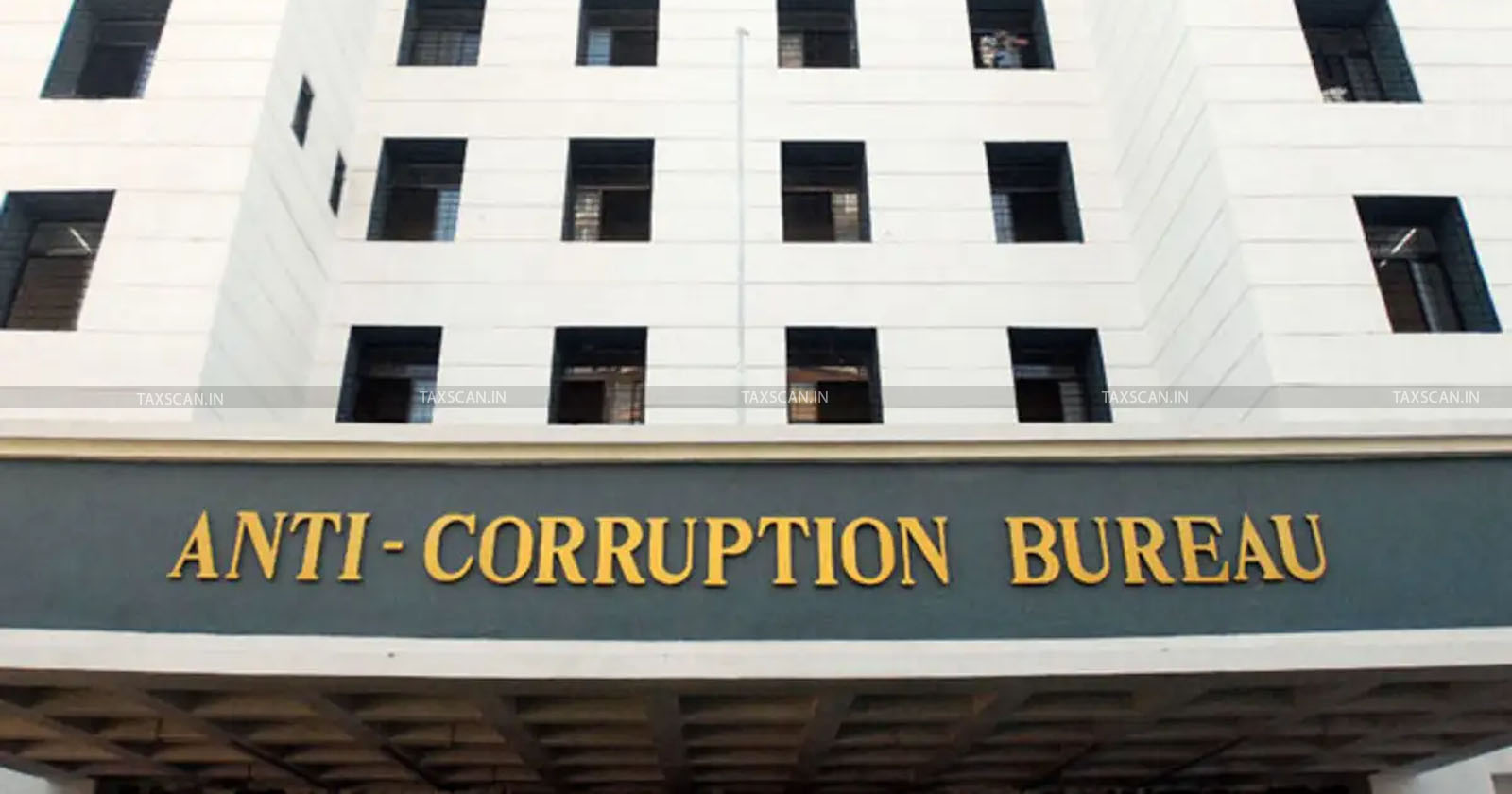 Also Read:Bombay HC Refuses to Interfere with Anti-Corruption Bureau Summons at Enquiry Stage [Read Order]
The adjudicating authority confirmed the duty demand on the company and imposed a penalty of Rs. 15 lakh on the appellant under Section 112(a), holding that he had abetted the evasion by not exercising due care and diligence while handling the company’s accounts.
Aggrieved by the penalty, the appellant approached the Tribunal. The appellant’s counsel argued that the show cause notice was vague and did not clearly specify the provision under which the penalty was imposed or the specific acts attributed to the appellant. They argued that abetment requires knowledge and intentional involvement, and that mere negligence or failure to exercise due care cannot amount to abetment under the Customs Act.
Because one wrong link between GSTR-1, 2B and 3B can trigger a notice. Click here
The counsel also argued that the appellant’s statement did not show any awareness that licence fees were required to be included in the assessable value or any intent to evade duty.
The department’s counsel argued that the appellant, being the Chief Finance Officer, was responsible for the company’s financial affairs and had failed to exercise proper care, which facilitated the undervaluation of imports. They argued that this failure amounted to abetment and justified the penalty.
 Also Read:Pre-Consultative Process under Central Excise Act is Mandatory Except in Cases of Intention to Evade Tax: Madras HC [Read Order]
The single-judge bench comprising Ajayan T.V., Member (Judicial) observed that while mens rea may not be required for imposing penalty on a person directly involved in acts rendering goods liable to confiscation, abetment requires knowledge and conscious assistance or encouragement.
The tribunal pointed out that neither the show cause notice nor the adjudication order clearly explained how the appellant had knowingly instigated, aided, or encouraged the alleged undervaluation.
The tribunal further observed that the appellant’s statement did not establish knowledge of the alleged undervaluation or intentional suppression of value. It pointed out that even if the finding of lack of due care is accepted, it would at best amount to negligence and cannot be treated as abetment under Section 112(a) of the Customs Act.
The tribunal explained that abetment requires intentional aid or encouragement of a wrongful act, and negligence alone does not meet this legal requirement. In the absence of evidence showing knowledge or intent on the part of the appellant, the tribunal held that the penalty of ₹15 lakh imposed on him was not sustainable. The appeal was allowed and the penalty was set aside.
Support our journalism by subscribing to Taxscan premium. Follow us on Telegram for quick updates