

Optimising Global Supply Chains: Managing the Intersection of Customs and Regulatory Compliance
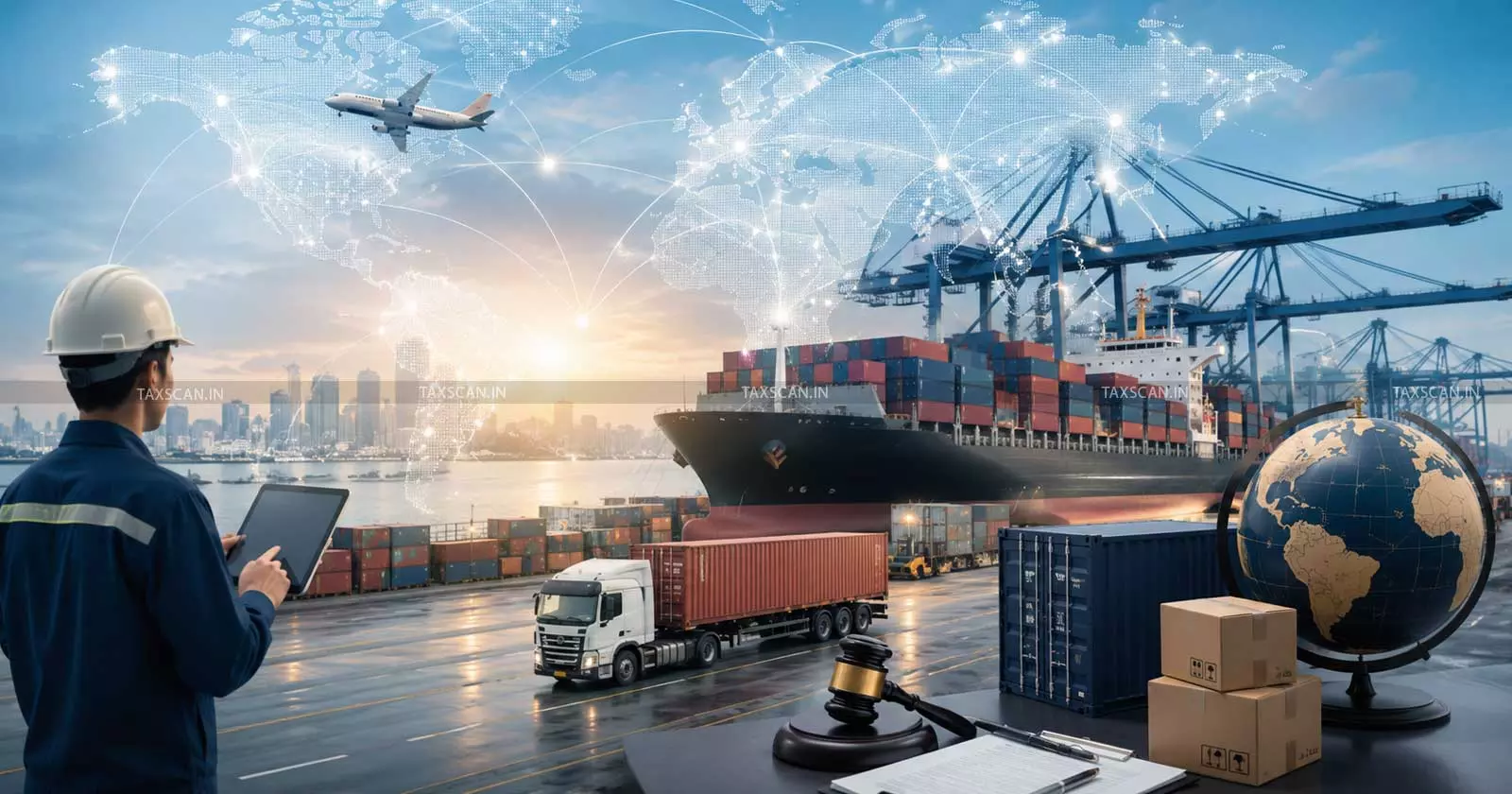
In recent years, businesses have changed how they handle cross-border trade. For the past thirty years, global supply chains focused on efficiency—finding the cheapest places to get materials, simplifying manufacturing, and cutting shipping costs to stay competitive. Customs and following rules were necessary but usually seen as routine tasks done after business decisions. This view is changing quickly. Now, with political tensions, new trade deals, environmental rules, and more complex regulations changing global business, customs and trade rules have become key priorities. They now directly help increase profits, keep market access, build strength, and support long-term growth.
The scale of this shift is clear in the complexity of global trade rules. According to the 2026 Thomson Reuters Global Trade Report, teams managing trade and compliance tracked more than 155 million rule regulatory updates in just the past year alone. This huge number shows that following rules is no longer something businesses can do only sometimes or after deals are done. This staggering volume makes one thing clear: regulatory compliance is no longer something businesses can address occasionally or after transactions are complete. Trade rules, customs requirements, sanctions, product standards, environmental reports, and other requirements are changing so fast that companies must watch them all the time and include disclosures, and reporting obligations are evolving so quickly that companies must monitor them constantly and weave them into their maincore business plans. Because of this, companies are involved strategies. As a result, organizations are bringing customs, tax, and regulatory experts into the supply chain planning process from the start, knowing that decisions about where to get materials, how to make products, and where to sell can have big rule and money effects—oftenvery beginning, understanding that choices about sourcing, manufacturing, and expanding into new markets can have major compliance and financial consequences—often long before goods even crossreach a border.
This change is especially important now, as companies rethink their supply chains because of political shifts in light of geopolitical changes and the broader "China Plus One" strategy. Move approach. Shifting manufacturing and sourcing is creating big, chance major opportunities for new production centerhubs, with India standing out as a major winner. Recent trade numbers show emerging as a standout beneficiary. Recent trade data highlight this trend: India's merchandise imports reached USD 71.94 billion, and electronic goods exports grew by an impressive 40.31 percent compared to last year-over-year in April 2026. ButYet, while the reasons to diversify business cases for diversifying supply chains are strong, many miss the rule and overlook the compliance challenges that come with it. Even small changes in where parts come from, where pieces are sourced, where components are made, or how products are put together/assembled can change a product’s Harmonized System code, customs valuation, country of origin, or chance eligibility for lower tariffs. Sometimes In some cases, these changes can even trigger anti-dumping securities or other trade penalty remedies that were not planned for. Soever considered in the original strategy. As a result, customs issues are no longer just a compliance follow-up task—they are now keycentral to supply chain planning.
Experience shows that just simply having access to a Free Trade Agreement (FTA) does not guarantee businesses will enjoy its benefits. Rules about where products come from, supplier statements, paperwork of origin, supplier declarations, documentation standards, and being ready readiness for audits now decide if companies can keep special treatment over time. Often, rule problems determine whether companies can maintain preferential treatment over the long term. Often, compliance issues don't stem from doing something wrong on potential intentional wrongdoing, but from not being able to show/provide records or providence to customs authorities years after a transaction. The companies that regularly consistently benefit from trade agreements are those that include build origin management and compliance checks in controls into their daily work operations, instead of treating them as yearly taskonce-a-year certification exercises.
One of the biggest changes shaping global trade's most important shifts shaping the future of global trade is the growing connection between sustainability and following rules and regulatory compliance. For years, environmental reporting and customs rules worked separately, but those requirements functioned in separate spheres, but that’s changing fast quickly. The European Commission’s start of a special launch of a dedicated pricing system for Carbon Border Adjustment Mechanism (CBAM) certificates in early 2026 shows how environmental policies now affect trade and market access is a clear example of environmental policy now shaping trade flows and access to markets. Companies exporting to major market economies must now consider not only about where their products are made, but also about the emissions created during production and how open the openness of their supply chains are. As sustainability becomes a keycore part of trade rules, teams across customs, compliance, procurement, finance, and sustainability must work together more closely than ever to stay competitive in a tightly controlled regulated global market.
Today, differences in value, classification, country of origin, and tax reporting can be fine-spotted faster and more accurately than ever before. In this situation, having strong, reliable data is no longer just a practical need but a real environment, strong data integrity has gone from being just a practical concern to a real strategic advantage. Businesses that keep clear, consistent, high-quality data across customs, tax, finance, buying, procurement, and supply chain teams are much better able to support their compliance decisions, keep their benefit incentives, and handle rule checks scrutiny. In the end, the most successful global supply chains will not be those only focused only on cutting costs, but those built for reliability, openness, strength, predictability, transparency, resilience, and the ability to move goods confidently through a more complex rules environment and increasingly complex regulatory world.
Support our journalism by subscribing to Taxscan premium. Follow us on Telegram for quick updates
