Opting In & Out of GST Composition Scheme: Timing, Forms & Consequences Explained
The article focuses on the requirements, benefits and guidance upon the GST composition scheme
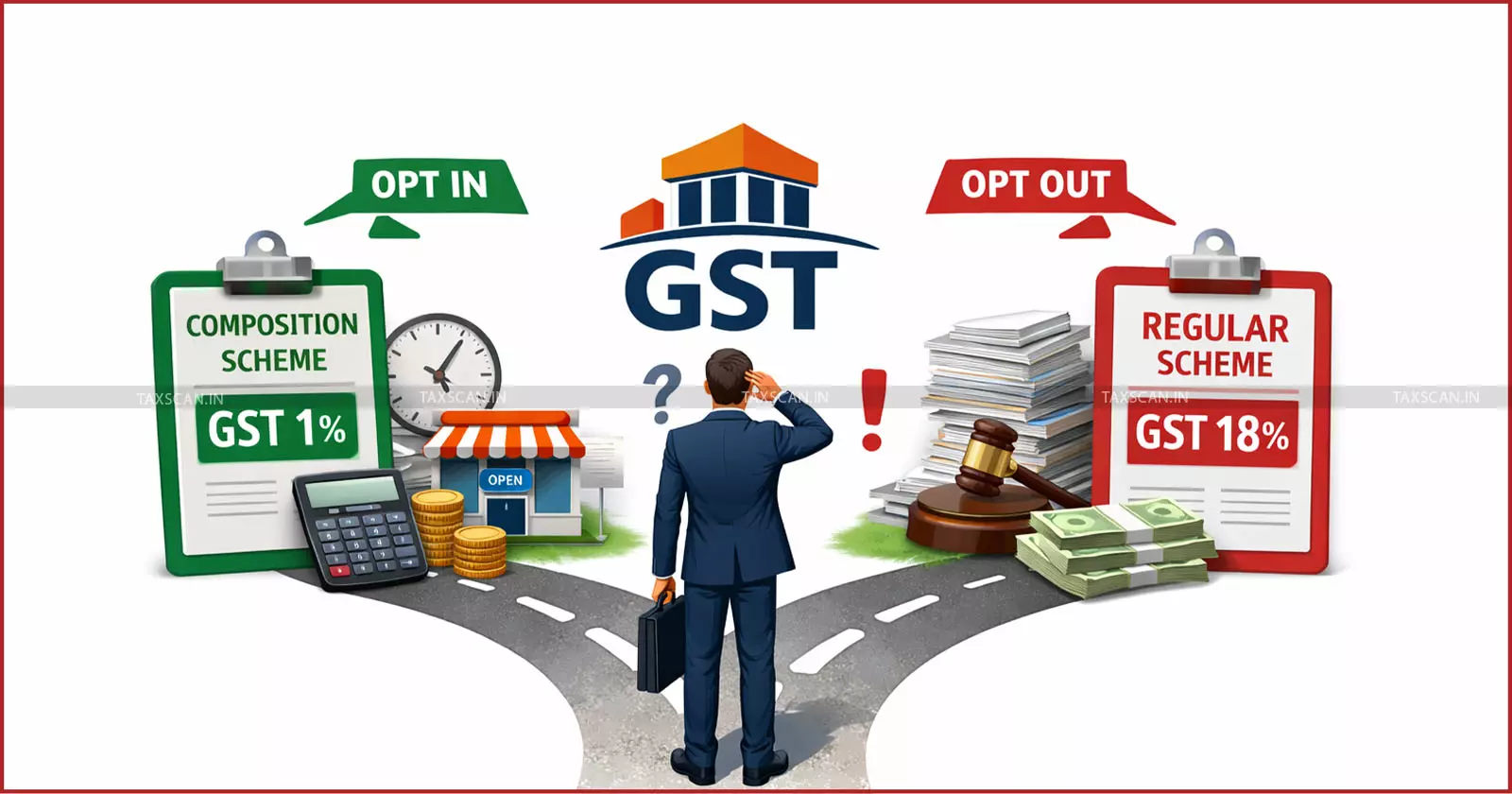
The GST scenario in 2026 maintains its focus on making life easier for small taxpayers. The core of this objective revolves around the Composition Scheme, which is a straightforward tax that aims to make compliance easier and less cumbersome for small taxpayers.
However, the changeover from one category to another is not just a technical process; it is a well-thought-out strategy that follows a set time frame, specific forms, and financial implications related to ITC.
In order for an existing Regular dealer to change their status to that of being eligible for Composition Scheme, they need to make sure that they have met the necessary requirements and are committed to a stringent schedule for joining the Scheme;
The limits for total sales for goods suppliers under the current regulations for the financial year 2026 is still set at ₹1.5 Crores for states falling under the general category and ₹75 Lakh for special category, whereas suppliers of services under Section 10(2A) are allowed up to ₹50 Lakh worth of turnover.
A taxpayer cannot enter the Composition Scheme except during the beginning of a new financial year where Form GST CMP-02 needs to be submitted prior to the start of the financial year. The taxpayer will become a Composition dealer on April 1st of the financial year unless the turnover exceeds halfway through the financial year.
With the deadline for opting for the scheme for Financial Year 2026-27 (March 31, 2026), the most critical issue now is how one moves into and from the "tax haven" available under the composition scheme. It is essential for both practitioners and taxpayers to understand this aspect well.
The first major consequence that follows the option to enter the composition scheme is the compulsory disallowance of InputTax Credit (ITC). According to Section 18(4) of the CGST Act, upon entering the composition scheme there would have to be a reversal of the ITC available for the stock of inputs, inputs in semi-finished/finished goods and capital goods.
The calculation of reversal for the latter is by deducting 5% each quarter or fractional thereof from the date of issuance of the invoice. This must be reflected in Form GST ITC-03 filed within 90 days from the start of the financial year. If not properly calculated and submitted, it will attract penalties and interest for wrongfully availed credit.
Unlike the entry process a taxpayer has the flexibility to opt out of the Composition Scheme at any time during the year. This exit can be either voluntary, for strategic business reasons, or compulsory due to a change in circumstances.
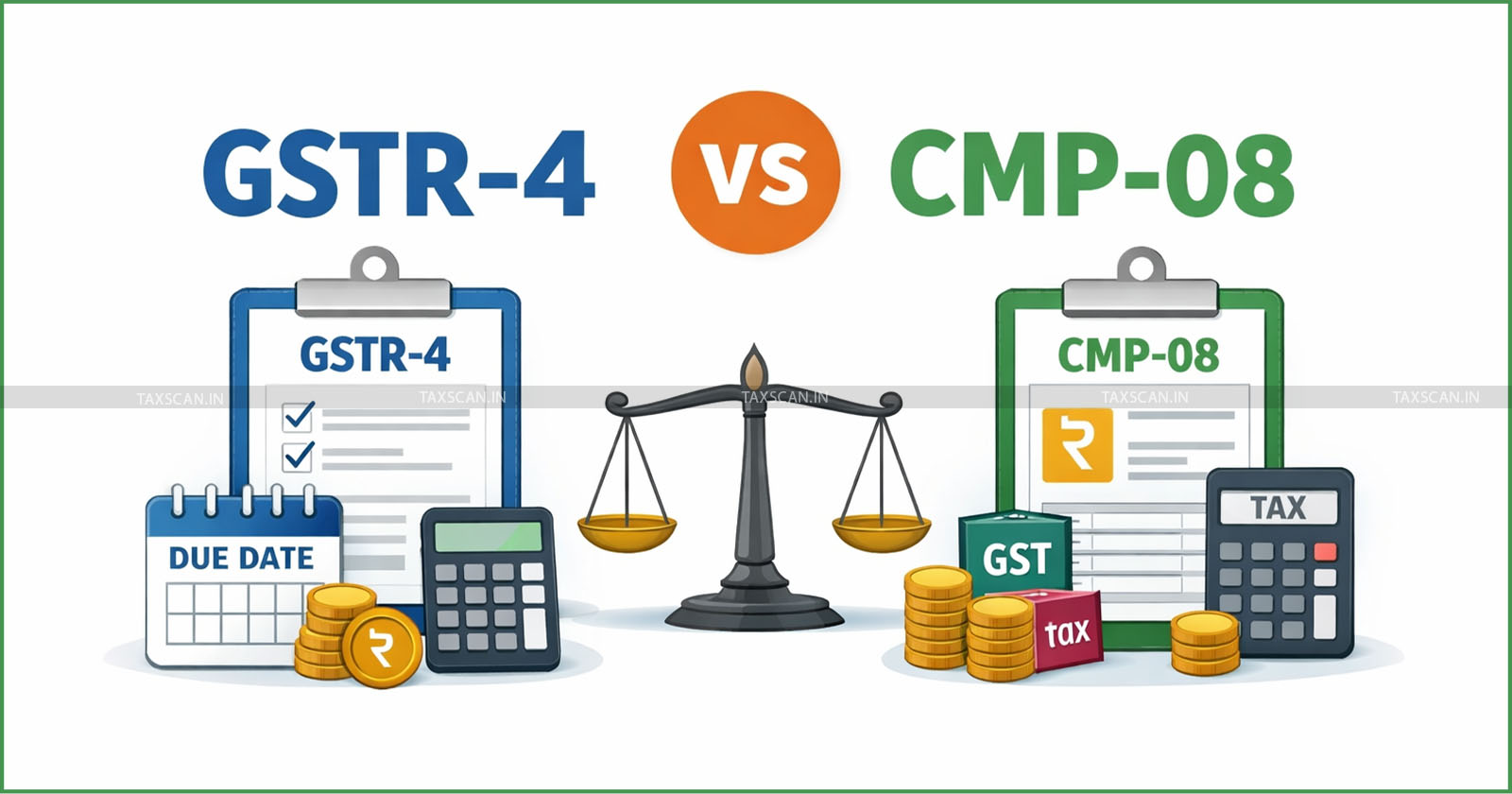
Requirements for Entering into the Composition Scheme
- Taxpayers should confirm their aggregate turnover is below ₹1.5 Crore for suppliers of general merchandise, ₹75 Lakh for suppliers in Special Category States, and ₹50 Lakh for suppliers of services, as per Section 10(2A).
- The taxpayer needs to apply using form GST CMP-02 on the common platform by March 31, 2026, to begin the procedure of transitioning to the composition scheme for the fiscal year 2026-27.
- Contrary to opting out of the scheme, entering into the composition scheme can only happen at the beginning of the financial year, thus becoming effective on April 1, 2026.
- Under Section 18(4) mandates the taxpayer to reverse Input Tax Credit previously availed on inputs stocked, semi-finished products, finished products, and capital goods (minus 5% each quarter since the date of the invoice).
- The final amount calculated after reversing ITC should be declared and submitted using form GST ITC-03 within 90 days of the beginning of the fiscal year.
The procedure for opting out of the GST Composition Scheme is very flexible, as it can be done voluntarily to participate in inter-state transactions or compulsorily due to exceeding the turnover limit. In both cases, the tax-payer will need to submit form GST CMP-04 within seven days of the occurrence of the trigger.
The main benefit of this change is that it allows the taxpayer to access input tax credit as per Section 18(1)(c). By submitting form GST ITC-01 within thirty days, the tax-payer can claim credit for the inputs and capital goods in stock on the date of change, subject to the condition that the original invoice should not exceed one year.
Selection of the Composition Scheme is a serious matter legally and commercially due to non-issue of a "Tax Invoice," which leads to the loss of the Input Tax Credit benefit for B2B transactions, resulting in a B2C model only.
The scheme is solely governed by PAN, meaning that it is a one-size-fits-all approach regardless of the number of States involved for the entity. Legally speaking, any non-compliance or mis-enrolment shall result in a Show Cause Notice through the submission of Form CMP-05, possibly ending up with an Order under CMP-07, alongside penalties.
As for the strategy, while changes have allowed transactions in intra-State e-commerce, a business needs to take into account the 1% flat rate along with lack of Input Tax Credit and possible inter-State operations.
The GST Composition Scheme continues to be a double-edged sword despite offering a compliance holiday through exemption from tedious filings like the GSTR-1 and GSTR-3B.
In moving forward to the year 2026, the GST portal being integrated digitally means that the filing of CMP-02 and CMP-04 will take place almost instantly. While considering filing under the GST regime, taxpayers have to make sure that it is not just the low tax rate that comes into play but also the effect that this can have because of the reversal of ITC in ITC-03 and credit in ITC-01.
Support our journalism by subscribing to Taxscan premium. Follow us on Telegram for quick updates