Penalty u/s 108 Cannot Rely On Unverified Statements Recorded: CESTAT sets aside ₹10 Crore Penalty [Read Order]
CESTAT held that statements recorded during investigation cannot form the sole basis for imposing customs penalties unless tested through statutory safeguards.
![Penalty u/s 108 Cannot Rely On Unverified Statements Recorded: CESTAT sets aside ₹10 Crore Penalty [Read Order]](https://images.taxscan.in/h-upload/2026/02/21/2126616-penalty-cannot-rely-on-unverified-statements-recorded-cestat-crore-penalty-.webp "Penalty u/s 108 Cannot Rely On Unverified Statements Recorded: CESTAT sets aside ₹10 Crore Penalty [Read Order]")
The Customs, Excise and Service Tax Appellate Tribunal (CESTAT), New Delhi Principal Bench has set aside a penalty of ₹10 crore imposed on Kamal Sehgal holding that penal liability under the Customs Act cannot be sustained solely on the basis of unverified statements recorded under Section 108 without following the mandatory evidentiary procedure prescribed under the law.
The appellant Kamal Sehgal a licensed Customs House Agent (CHA) was proceeded against by the Department on charges of abetment in the improper import of goods through fictitious importers. The case of the Revenue was based almost entirely on statements recorded under Section 108 of the Customs Act, 1962. On the basis of these statements penalties were imposed under Sections 112(a)(i) and 112(a)(ii) of the Act.
However, during the course of adjudication, the persons whose statements were relied upon were not examined as witnesses nor was the appellant given an opportunity for cross-examination.
The appellant submitted that Section 138B of the Customs Act prescribes a mandatory procedure for treating statements as relevant evidence. Without examining the person making the statement before the adjudicating authority and the authority holding an opinion on its admissibility the statements cannot be used to impose a penalty.
It was also submitted that statements recorded during the investigation are inherently unreliable and cannot by themselves prove knowledge, intent or abetment which are necessary ingredients for imposing a penalty under Section 112.Further,the Revenue submitted that statements recorded under Section 108 were sufficient to prove the involvement of the appellant.
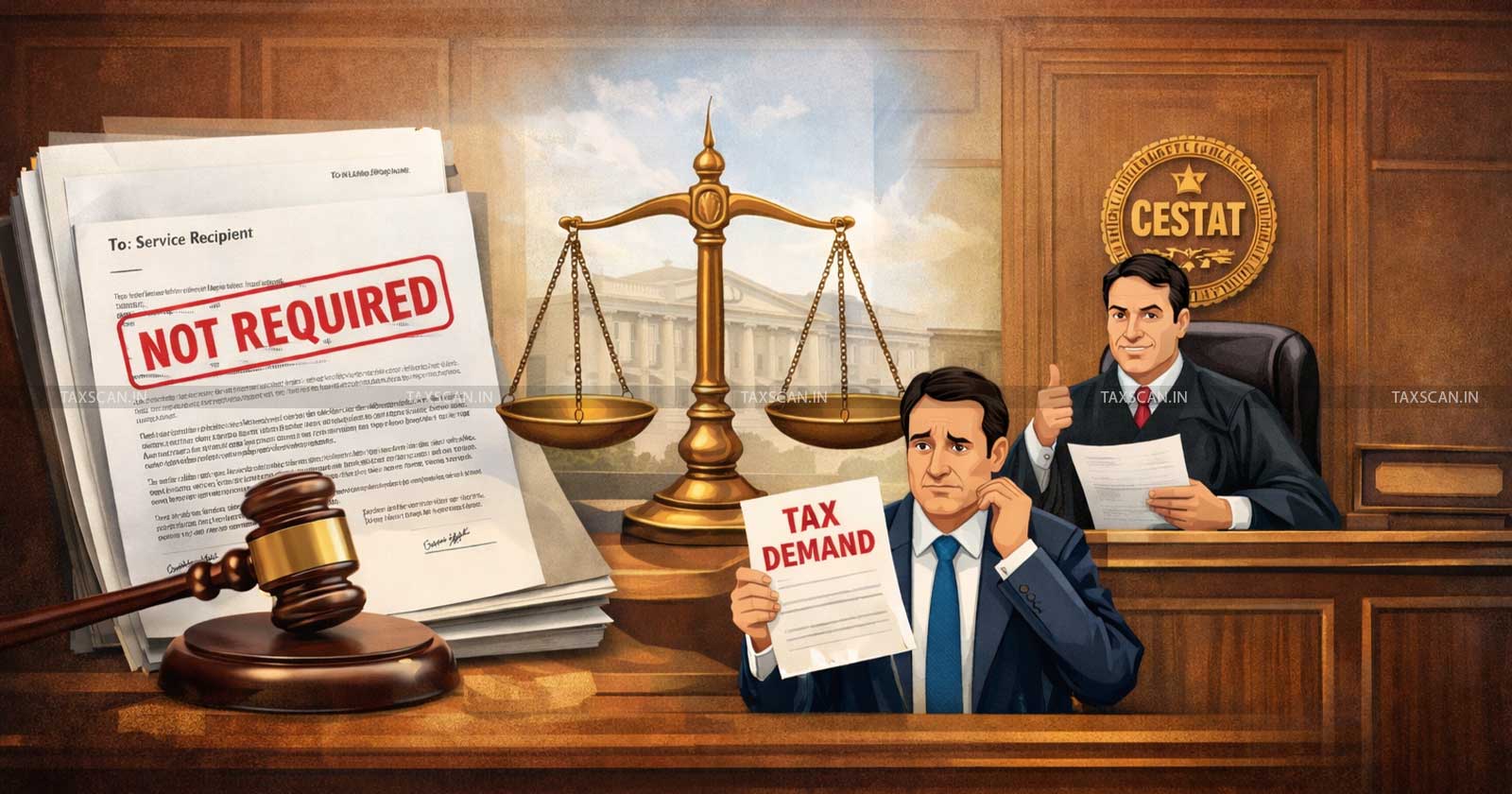
The bench comprising Justice Dilip Gupta [President] and Shri P.V. Subba Rao, (Technical Member ) overruled the Revenue’s contention and held that the statements under Section 108 cannot become admissible evidence. The Bench clarified that Section 138B is substantive and not procedural and any default makes the reliance on such statements illegal.
CESTAT held that penal provisions are to be strictly interpreted, and without corroborative evidence or cross-examination of witnesses, the charges against the CHA cannot be maintained. The Tribunal also held that the assessment on the basis of statements at the investigation stage is contrary to the principles of natural justice.
Allowing the appeal, the set aside the entire penalty, reiterating the well-established legal position that customs penalties cannot be levied on the basis of untested and unverified statements. This judgment is a significant reminder of the need for evidentiary discipline and due process in customs adjudication.
Support our journalism by subscribing to Taxscan premium. Follow us on Telegram for quick updates