Reverse Charge Liability Triggers Mandatory GST Registration Even Below Threshold: Section 24 Explained
GST registration becomes mandatory under Section 24 if a person is liable to pay tax under reverse charge even when turnover is below the threshold limit.
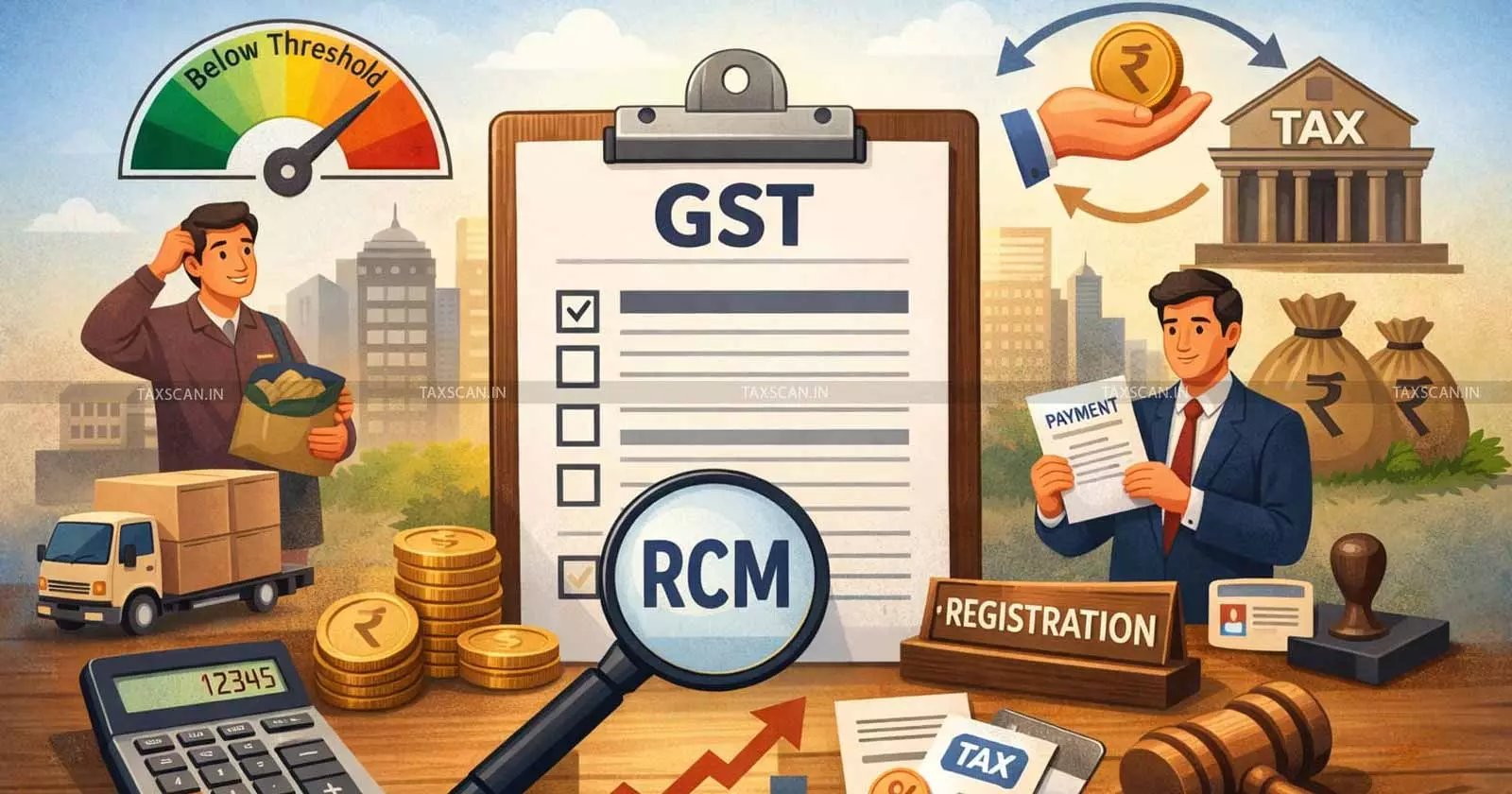
The GST law makes it clear that certain persons must take registration even if their turnover is below the normal threshold limit. Section 24 of the CGST Act,2017 deals with compulsory registration in such cases. One of the most important situations is when a person is required to pay tax under the Reverse Charge Mechanism (RCM).
Under normal GST rules, small businesses with turnover below the prescribed limit are not required to register. Section 24 overrides this rule. It states that any person who is liable to pay tax under reverse charge must take GST registration, regardless of turnover.
This means that even a small business or individual must register under GST if they receive goods or services where tax is payable under RCM.
Key situations where registration is compulsory
Section 24 lists several categories where GST registration is mandatory. These include:
- Persons making inter-State taxable supply
- Casual taxable persons
- Persons liable to pay tax under reverse charge
- E-commerce operators and persons supplying through them
- Input Service Distributors
- Non-resident taxable persons
- Persons required to deduct tax at source
Among these, reverse charge liability is a common trigger for small taxpayers.
What is Reverse Charge Mechanism
Under reverse charge, the responsibility to pay GST shifts from the supplier to the recipient. In such cases, the recipient must pay tax directly to the government.
For example, if a registered category of service is received from an unregistered supplier, the recipient may have to pay GST under RCM. Once this liability arises, registration becomes mandatory under Section 24.
Important relief for small taxpayers
The law also provides some relief. In certain notified services, if the recipient is not liable for registration under Section 22, then reverse charge may not apply. This means that in such specific cases, small taxpayers may not be forced to register.
However, this exemption applies only to limited situations and notified categories.
What taxpayers should keep in mind
- Turnover limit does not apply in case of RCM liability
- Even a single transaction under reverse charge can trigger registration
- Failure to register can lead to penalties and tax demands
- Proper review of transactions is necessary to check RCM exposure
Conclusion
Section 24 creates a strict rule for GST registration. Any person liable under reverse charge must register, even if their turnover is very small. Businesses and professionals must check their transactions carefully to avoid non-compliance.
Support our journalism by subscribing to Taxscan premium. Follow us on Telegram for quick updates