Taxpayer Fails to Appeal Income Tax Assessment for More Than 6 Years Until Tax Evasion Prosecution, Appears to be 'Afterthought': Madras HC [Read Order]
The High Court observed that a taxpayer’s challenge to an income tax assessment order after more than six years, only after prosecution had progressed, appeared to be an “afterthought.”
![Taxpayer Fails to Appeal Income Tax Assessment for More Than 6 Years Until Tax Evasion Prosecution, Appears to be Afterthought: Madras HC [Read Order]](https://images.taxscan.in/h-upload/2026/05/14/2136923-taxpayer-fails-income-tax-assessment-madras-hc-taxscan.webp "Taxpayer Fails to Appeal Income Tax Assessment for More Than 6 Years Until Tax Evasion Prosecution, Appears to be Afterthought: Madras HC [Read Order]")
In a recent ruling, the Madras High Court observed that the taxpayer’s failure to challenge the income tax assessment order for more than six years until the prosecution had progressed appeared to be an “afterthought.”
The case arose from prosecution initiated against Abdul Khader Mohammed Farook under Section 276C(2) of the Income Tax Act, 1961 for alleged wilful attempt to evade payment of tax for the Assessment Year 2017-18. The taxpayer had filed his return of income on 30.03.2018 declaring tax and interest liability of Rs.5,95,616 but failed to pay the admitted tax liability at the time of filing the return.
The taxpayer argued that mere non-payment or delay in payment of admitted tax would not amount to wilful evasion under Section 276C(2) of the Income Tax Act. The counsel argued that he had voluntarily disclosed the entire income and tax liability in the return filed before the department and there was no concealment of income, falsification of accounts, or suppression of transactions.

The counsel also argued that due to ill health, financial difficulties, SARFAESI proceedings, and distress sale of properties, he could not discharge the tax liability.
The department argued that even after filing the return declaring the liability, the taxpayer failed to pay any amount. The assessment order dated 22.12.2019 determined a total demand of Rs.1,91,43,523 including tax and interest and no payment had been made till date. The department also argued that the taxpayer failed to challenge the assessment order for more than six years and filed an appeal only after a delay of 2,211 days along with a condone delay petition.
The single-judge bench of Justice M. Nirmal Kumar observed that the taxpayer had not preferred any appeal against the assessment order for more than six years and only in 2026 filed an appeal with delay condonation petition. The court observed that neither the delay had been condoned nor the appeal admitted.
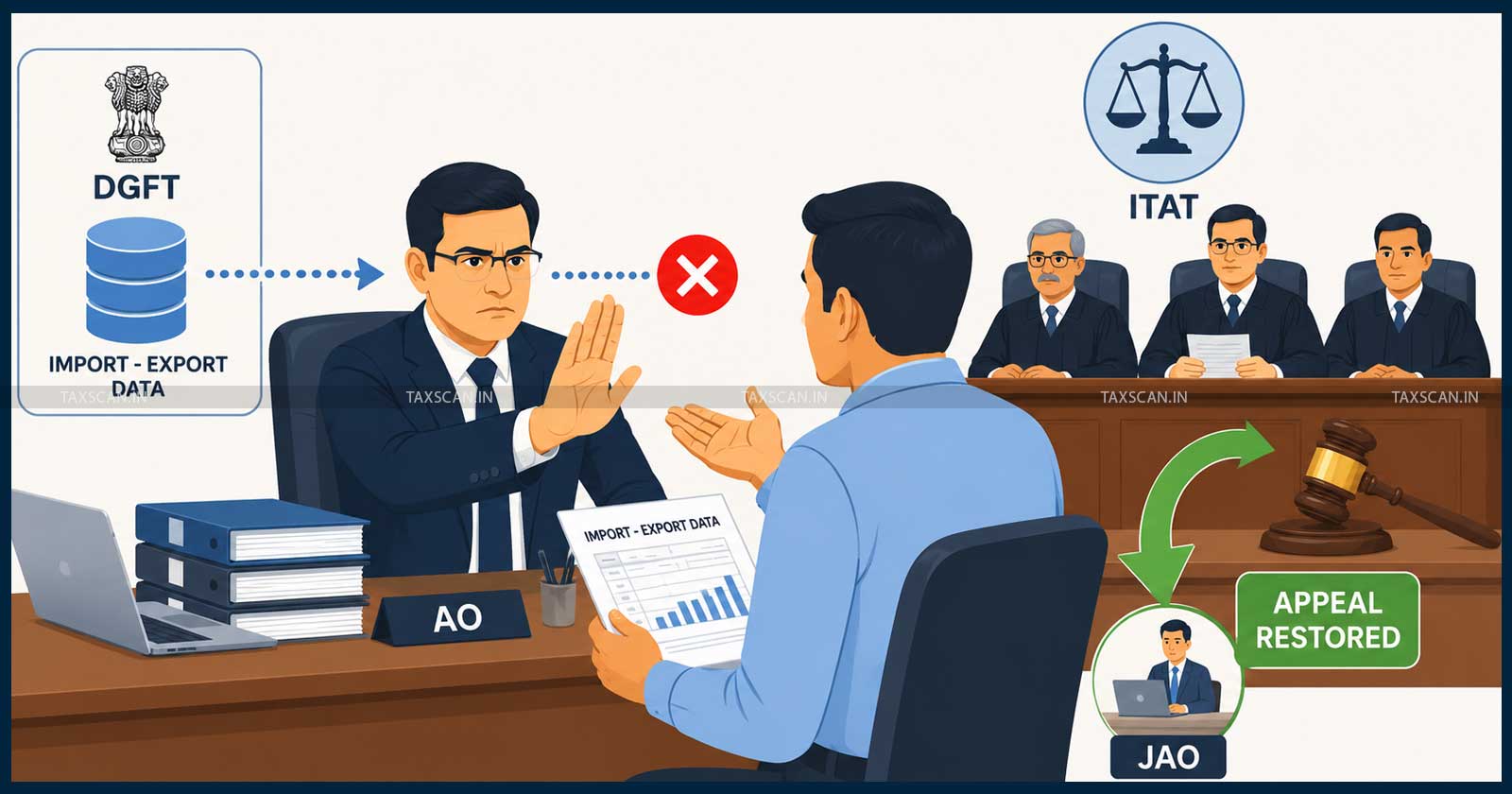
The court further observed that the appeal filed at such a belated stage appeared to be an “afterthought” raised only after the prosecution had been launched and progressed. The court also pointed out that the taxpayer had repeatedly remained absent before the trial court on several occasions and participated in the proceedings only after initiation of proclamation proceedings.
The court explained that the issues raised by the taxpayer had already been raised during the trial and could not be re-agitated in the quash petition at such a belated stage.
In view of the above, the court dismissed the criminal original petition seeking to quash the prosecution proceedings.
Support our journalism by subscribing to Taxscan premium. Follow us on Telegram for quick updates