

The $100 Billion Opportunity: How India-Russia Trade Deal 2025 Opens New Tax Corridors for Startups
An Analysis of Tax Implications from the December 2025 India-Russia Bilateral Agreement.
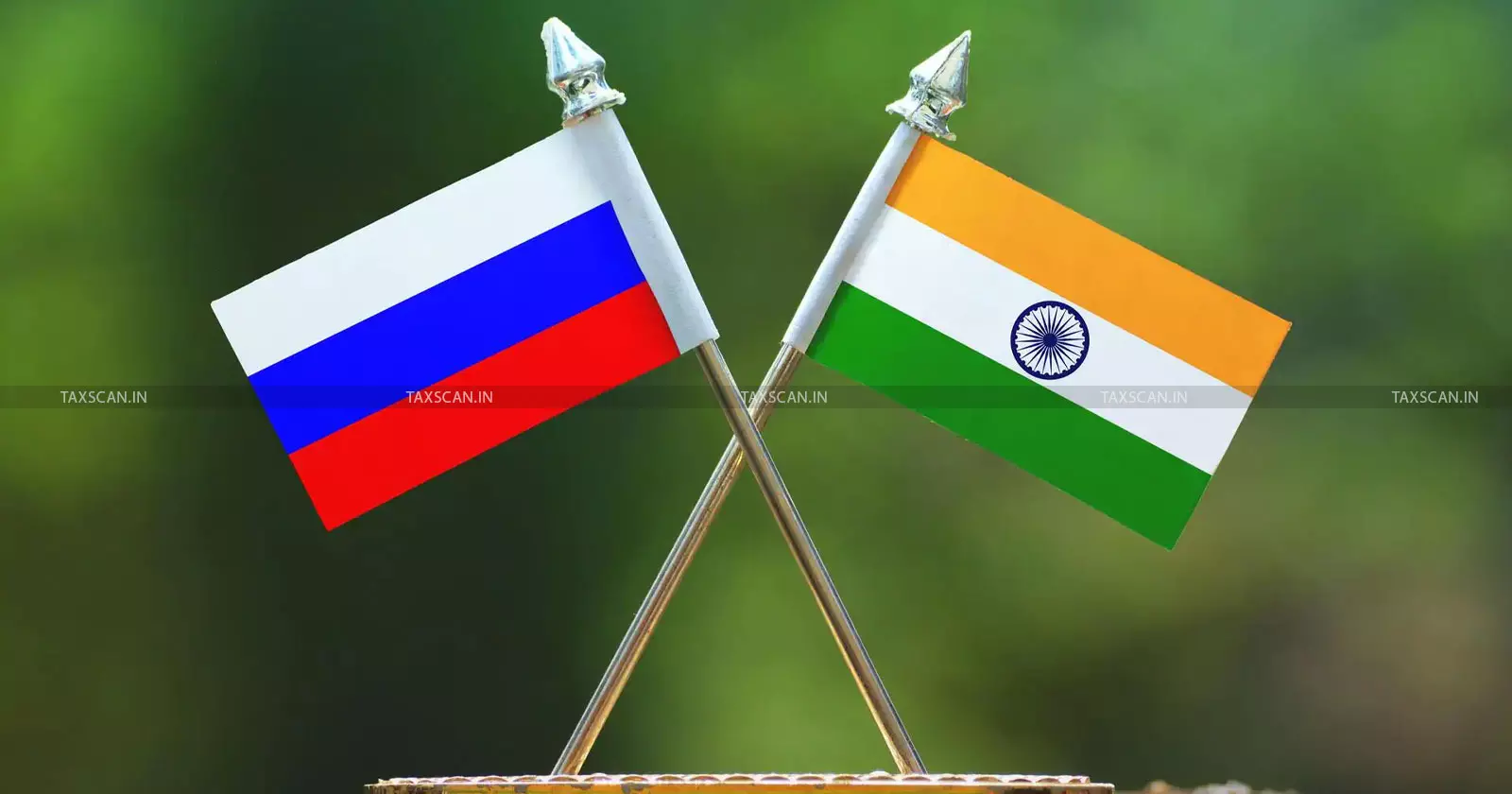
The Indian-Russian Economic Cooperation Programme is part of a larger effort to establish an annual trade target of US$100 Billion by 2030, in line with the statements made at the December 2025 at 23rd India-Russia Summit held in New Delhi, where both countries agreed to a new Economic Cooperation Agreement between the Indian Government and the Russian Government to ensure that there is a substantial improvement in the types of products traded between the two countries and made available in each other's markets.
The Programme establishes a comprehensive list of Strategic Areas in which both Nations want to increase their co-operation through this Economic Cooperation Programme, culminating in 2030. This Programme is supported by existing Legal and Taxation Frameworks designed to support both Start-Up and Entrepreneurial Regions of the two countries involved in the agreement.
The Deal
On December 20, 2025, the Prime Minister of India and the President of Russia issued a joint statement detailing their Intentions regarding this Economic Cooperation Programme. This includes an outline of the objective to diversify trade, increase exports and create New Trade Corridors for businesses. The Press Information Bureau and the Ministry of External Affairs of the Government of India stressed that Trade barriers must be removed and that payment systems need to be improved.
Master the Latest Amendments in Income Tax Act Click here
Thus, an Economic Free Trade Agreement with the member States of the Eurasian Economic Union is necessary. Currently, negotiations for this Free Trade Agreement are ongoing, and it is intended to grant Indian businesses preferential access to markets in Russia, Belarus, Kazakhstan, Armenia and Kyrgyzstan.
Bilateral Trade and Economic Context
For Financial Year 2024-25, the highest amount of trade between India and Russia reached $68.7 billion, about 5.5 times as much as pre-COVID levels due to the increase in Russia's crude oil exports to India. However, it should be noted that India's total exports to Russia were $4.88 billion and total imports from Russia were $63.84 billion, creating a very large trade deficit for India. The Indian government is inclined to balance this by expanding exports in various industries such as pharmaceuticals, textiles, machinery, food products, among others.
Tax Treaty: India-Russia Double Taxation Avoidance Agreement (DTAA)
India and Russia are signatories to Agreement on Double Taxation Avoidance which operates as an income tax treaty. The Agreement has been effective from April 11, 1998. The purpose of the Agreement is to avoid or reduce double taxation of income accrued in either country.
In addition, the following rates of withholding taxes apply to all dividends, interest, royalties and technical service fees paid between the two countries under the Agreement:
- Dividends: Withholding tax on dividends paid to a resident of another country shall not exceed 10% of the gross amount paid
- Interest: Withholding tax on interest paid to a resident of another country shall not exceed 10% of the gross amount paid
- Royalty and Technical Service Fee: Withholding tax on royalties and technical service fees paid to a resident of another country shall not exceed 10% of the gross amount paid
- Business Profits: Business profits derived by a resident of one country from sources in the other country shall only be taxable in the country where the business has a permanent establishment
- Capital Gains: Capital gains from the sale of shares of a company are taxable only in the country where the seller is a resident and not in the country where the company is incorporated
Compliance with Tax Regulations
The Compliance mandate for availing benefits of the DTAA between India and Russia are:
- Obtain a Tax Residency Certificate (TRC) from their country of residence.
- File Form 10F electronically with the Indian tax authorities.
- Provide documentation to the withholding agent to ensure the correct withholding tax rate is applied
Permanent Establishment
To determine whether the construction of a building site or installation assembly, falls under the category of ‘permanent establishment’, requires that such projects take place for a period of more than 12 months. Thus, startups can conduct business in Russia for a period of up to 12 months, without incurring an obligation to pay Russian corporate taxes, without creating a permanent establishment in Russia.
Transfer Pricing
Startups must factor into their calculation of taxable income the amount of profit on related party transactions. When independent businesses transact with one another, they are able to freely negotiate the price. When a startup and its affiliate transact with each other, it must maintain adequate documentation that demonstrates the transactions are at arm's length.
Currency Consideration
Both sides of the agreement are preparing to migrate to national currencies as the primary form of settlement. As of now, nearly 96% of all of the business payments made between the two countries are done in their respective national currencies. Startups should consider developing long-term banking relationships to facilitate rupee-ruble transactions, develop currency hedging plans and carefully consider how to denominate invoices to minimise exposure to the foreign exchange risk.
Conclusion
For Indian Startups, the December 2025 bilateral agreement between India and Russia creates a unique historical opportunity to expand their businesses outside of India and into Russia. With the announcement from the Government of India, along with other media reports and responses, there is now a clear structure in place to facilitate cross-border trade between India and Russia by reducing the tax barriers associated with cross-border trade and by providing opportunities to innovate in the Russian market with the benefits of government support and improving access to financial resources.
Support our journalism by subscribing to Taxscan premium. Follow us on Telegram for quick updates
