UAE Introduces Tiered Volumetric Excise Tax on Sweetened Drinks from Jan 1, 2026: Certification and Registration Details Inside
It has been advised by the ministry that the taxable person should engage with accredited laboratories early, once the details of such laboratories are published for the review and the certifications
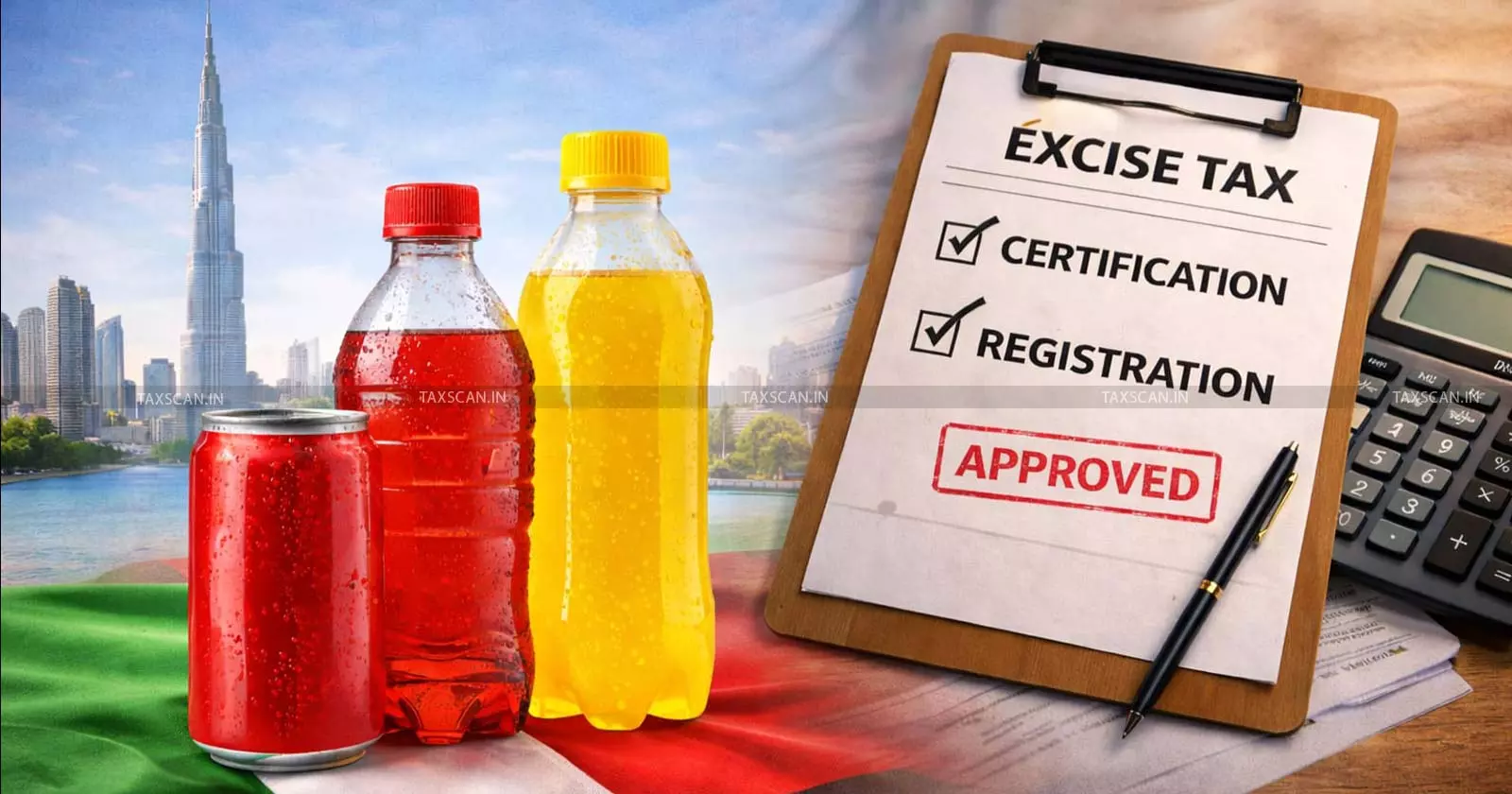
The United Arab Emirates ( UAE ) has introduced the tired volumetric excise tax on sweetened drinks from January 1st 2026.
The decision was introduced through Cabinet Decision No. 197 of 2025 on Excise Goods. It concurs with the amendments under Federal Decree-Law No. 7 of 2025 on Excise Tax. The announcement was confirmed by the Federal Tax Authority (FTA).
As per the new model, Excise Tax payable per litre of a sweetened drink will be determined by the total quantity of sugar and other sweeteners per 100 ml, including natural sugar, added sugar, honey, and artificial sweeteners.
The FTA clarified that the reform is part of public health objectives. The government is aiming to discourage excessive sugar consumption and reduce non-communicable diseases linked to unhealthy dietary patterns.
‘Under the new rules, Carbonated Drinks will be abolished as a separate category of Excise Good. Instead, the applicability of Excise Tax on Carbonated Drinks shall be determined based on their sugar content and categorisation as Sweetened Drinks’ said FTA.
As per the new rules, Excise Tax will be calculated based on the total amount of sugar or other sweeteners (excluding artificial sweeteners) per the volume of the Sweetened Drink.
The following categories will apply to the calculation of Excise Tax on Sweetened Drinks:
- High sugar category (≥8 gram of total sugar and other sweeteners per 100ml).
- Moderate sugar category (≥5 and <8gram of total sugar and other sweeteners per 100ml).
- Low sugar category (<5 gram of total sugar and other sweeteners per 100ml).
- Category of Sweetened Drinks that contain only artificial sweeteners.
With regards to the Artificial sweeteners, under the tiered volumetric model, the amount of artificial sweetener is disregarded when determining the amount of sugar in a sweetened drink for the purpose of calculating Excise Tax.
Since the drink contains artificial sweeteners, it will be considered as Sweetened Drink for the purposes of Excise Tax, but will be subject to zero Excise Tax
Certification
As per the FTA announcement, the taxable persons need to obtain a certification from an authorised laboratory in the UAE of the total content of sugar (i.e. natural, added and other sweeteners), and whether artificial sweeteners are included in the drinks which they produce, import, stockpile or release from Designated Zone.
Registration Requirements
From the date of implementation that is January 1st 2026, the taxable persons have to register (or update existing registrations of) drinks to determine whether these are Excise Goods (i.e. Sweetened Drinks) on the FTA’s Excise Goods portal, with supporting documentation.
The supporting documentation includes the lab report showing whether the drink has added sugar, other sweeteners or artificial sweeteners, and the total content of sugar (i.e. natural, added, and other sweeteners) in the drink.
The Ministry of Industry and Advanced Technology (“MOIAT”) will publish a list of accredited labs for this purpose.
The authority has clarified that in the lab report including the above details is not obtained after the new rules come into effect, a Sweetened Drink shall be classified as a high sugar Sweetened Drink until and unless a lab report is provided which evidences a lower sugar content (at which point the additional tax paid can be deducted/refunded, subject to meeting certain conditions).
Exclusions from the definition of Sweetened Drinks
As per the new rules, the following are exempted from definition of sweetened drinks:
- Energy Drinks3 subject to the existing calculation method for Excise Tax (i.e. 100% of the Excise Price) will not be subject to the tiered-volumetric model.
- 100% natural fruit and vegetable juices to which no sugar or other sweeteners have been added.
- Milk, dairy, and related products
- Baby formula, follow up formula or baby food
- Beverages and concentrates intended for special dietary and medical uses
- Beverages and concentrates containing any added source of sugar or other sweeteners that are prepared by natural persons for personal consumption or other non-commercial purposes.
- Beverages containing any added source of sugar or other sweeteners that are prepared in restaurants and similar places and served in an open container that is not hermetically sealed for end consumers and intended for direct consumption as a drink.
What a Taxable Person should do?
The taxable person has to review the sugar content of their beverage products and assess whether they may fall within the scope of the new Sweetened Drinks definition.
It has been advised by the ministry that the taxable person should engage with accredited laboratories early, once the details of such laboratories are published for the review and the certifications.
Support our journalism by subscribing to Taxscan premium. Follow us on Telegram for quick updates