“Unacceptable Practice”: Supreme Court Slams AI-Generated Petitions Containing Fabricated Citations And Fake Judgments [Read Order]
The SC has emphasized that AI can only assist in legal research but cannot substitute the verification process by humans, and that unverified citations or judgments produced by AI or those that are fabricated will not be tolerated and may invite the court’s warning or disciplinary action.
![“Unacceptable Practice”: Supreme Court Slams AI-Generated Petitions Containing Fabricated Citations And Fake Judgments [Read Order]](https://images.taxscan.in/h-upload/2026/02/18/2126203-unacceptable-practice-supreme-court-ai-generated-petitions-fabricated-citations-fake-judgments-taxscan.webp "“Unacceptable Practice”: Supreme Court Slams AI-Generated Petitions Containing Fabricated Citations And Fake Judgments [Read Order]")
The Supreme Court of India has shown grave concern over the increasing trend of lawyers filing petitions that have been drafted with the help of artificial intelligence tools and contain false citations of cases and judgments, which not only affects the integrity of the law but also puts an unnecessary burden on the judiciary.
These observations were made in a three-judge bench hearing a public interest litigation on guidelines for political speech.
Heading the case, Chief Justice Surya Kant, along with Justice B.V. Nagarathna and Justice Joymalya Bagchi, pointed out what they termed an “unacceptable practice” of using AI for legal research and drafting without sufficient human checks.
The judges pointed out that there were cases where the petitions had referred to non-existent cases such as “Mercy v. Mankind” observing that it was difficult for the judges to check such references in a system already working under heavy pressure.
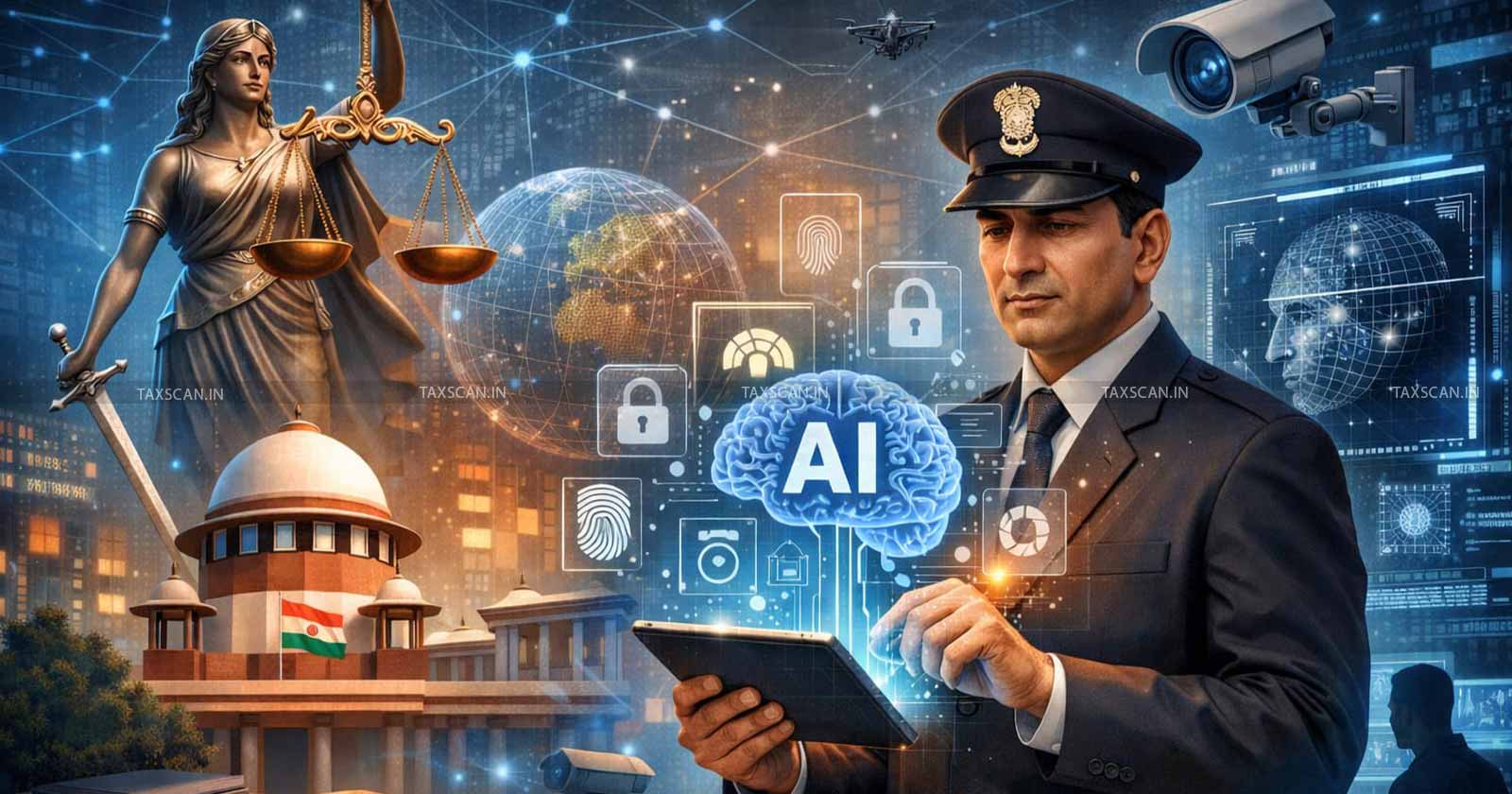
Justice Nagarathna pointed out that although some cases may have true names, the citations attributed to them were actually made up causing confusion and wasting judicial time. She also expressed her concern over the deterioration of the traditional skill of legal drafting, saying that special leave petitions nowadays often consisted of nothing but quotations taken from precedents.
The Chief Justice reiterated these concerns stating that “unverified AI-generated results cannot and do not supplant the need for thorough legal research and the most basic standards of professional diligence.”
However, the Bench made it clear that it was not concerned with the use of technology itself but with the careless use of technology. The Court recognized the potential of AI to increase efficiency but emphasized that it has to function within the limits of ethical practice.
The Court said that it is still the responsibility of lawyers to verify the accuracy of citations and the authenticity of sources despite the availability of AI results.
Although the Court recognized the usefulness of AI technology in legal research it emphasized that technology should support not supplant human review in legal practice.The observations carry a strong judicial message:”The convenience of technology cannot in any way erode professional standards”.
The Court’s comments are expected to set off a serious introspection process in the legal community and may even trigger discussions on formal guidelines and accountability structures for the use of AI in litigation.
Accordingly, the recent judgment of the TPL HGIEPL JointVenture vs Union of India,as reported under TAXSCAN(HC) 422, Justices M. S. Sonak and Jitendra Jain, held that an AI-based tax processing system cannot generate non-speaking orders, as it is necessary for natural justice to be upheld and for reasons to be recorded when an income tax return is rejected electronically.
Support our journalism by subscribing to Taxscan premium. Follow us on Telegram for quick updates