Writ Not Maintainable when Alternate Remedy Exists in Same High Court: Allahabad HC Rejects Developer’s Challenge to Consumer Forum Orders
No exceptional grounds for invoking Article 226 were made out. There was no violation of natural justice, no allegation of lack of jurisdiction, no challenge to vires of any statute, and no perversity in the consumer forum findings.
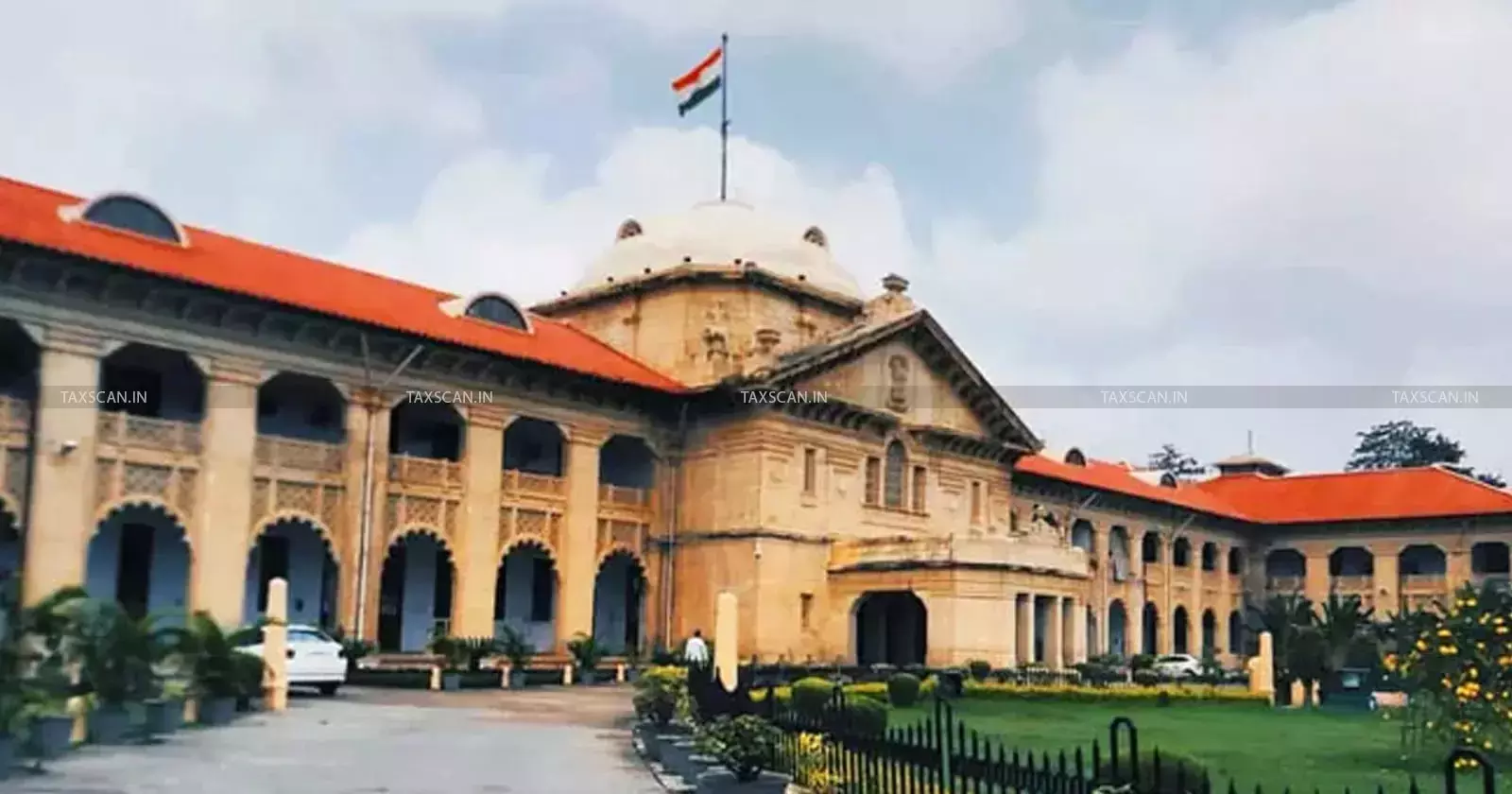
The Allahabad High Court (Lucknow Bench) has dismissed a writ petition filed by developers holding that a challenge to concurrent orders of the Consumer Commissions is not maintainable under Article 226 when a statutory alternate remedy exists before the same High Court under Article 227.
The Court declined to interfere with the developer’s attempt to overturn consumer forum orders directing refund of amounts collected from plot buyers, along with interest.
The developer, Sahu Land Developers Pvt Ltd had launched a residential plotting scheme, “Sahu City Phase-2”, outside municipal limits and had taken bookings from several purchasers. However, consolidation proceedings were initiated in the village and the project was halted. The consumers who booked for the plots approached the District Consumer Commission seeking refunds, which were allowed.
The State Commission increased interest and confirmed the refund order, and the National Commission subsequently dismissed the developer’s revision converted into a second appeal holding that no substantial question of law arose.
After attachment and recovery of dues via revenue authorities, the developer invoked Article 226 to seek quashing of all consumer forum orders and recovery proceedings.
The High Court, however, observed that writ jurisdiction is discretionary, and ordinarily not exercised when an equally alternative remedy exists.
The bench, depending to a chain of Supreme Court precedents including Whirlpool, Harbanslal Sahnia, Radha Krishan Industries, Ibrat Faizaan, Universal Sompo, and the recent 2025 ruling in Rikhab Chand Jain, stated that while writs may lie in exceptional situations, such as violation of natural justice or patent lack of jurisdiction, they cannot be used to bypass the statutory hierarchy, especially when supervisory jurisdiction under Article 227 is available within the same High Court.
Step by Step Handbook for Filing GST Appeals, Click Here
The bench of Justice Shekhar B. Saraf and Justice Prashant Kumar noted that the petitioner was seeking re-examination of disputed factual issues, such as whether the land was under consolidation at the time of launch and whether the developer had concealed material facts from consumers.
According to the court, these issues had already been adjudicated concurrently by the District, State and National Commissions, all of which concluded that the developer failed to deliver possession, had collected funds despite consolidation proceedings, and had engaged in unfair trade practice warranting refund and interest. The judges held that such factual determinations cannot be reopened in a writ petition under Article 226.
In addition, it was also observed that none of the exceptional grounds for invoking Article 226 were made out. There was no violation of natural justice, no allegation of lack of jurisdiction, no challenge to vires of any statute, and no perversity in the consumer forum findings.
Further, the Court noted that where a remedy before the same High Court exists, such as a petition under Article 227 or Article 226 should not be used to “short-circuit” the statute. Therefore, the petition against the findings of the Consumer forums by the developer was dismissed. Also the court left the decisions of the forums undisturbed.
Support our journalism by subscribing to Taxscan premium. Follow us on Telegram for quick updates