CESTAT Confirms ₹16.78 Crore Service Tax Demand and Equal Penalty on Wrongful Double Availment of Cenvat Credit [Read Order]
The bench held that the act was intentional and deliberate, and that the penalty under Section 78 was sustainable.
![CESTAT Confirms ₹16.78 Crore Service Tax Demand and Equal Penalty on Wrongful Double Availment of Cenvat Credit [Read Order]](https://images.taxscan.in/h-upload/2026/03/05/2127927-cestat-confirms-service-tax-demand-and-equal-penalty-wrongful-double-availment-cenvat-credit-.webp "CESTAT Confirms ₹16.78 Crore Service Tax Demand and Equal Penalty on Wrongful Double Availment of Cenvat Credit [Read Order]")
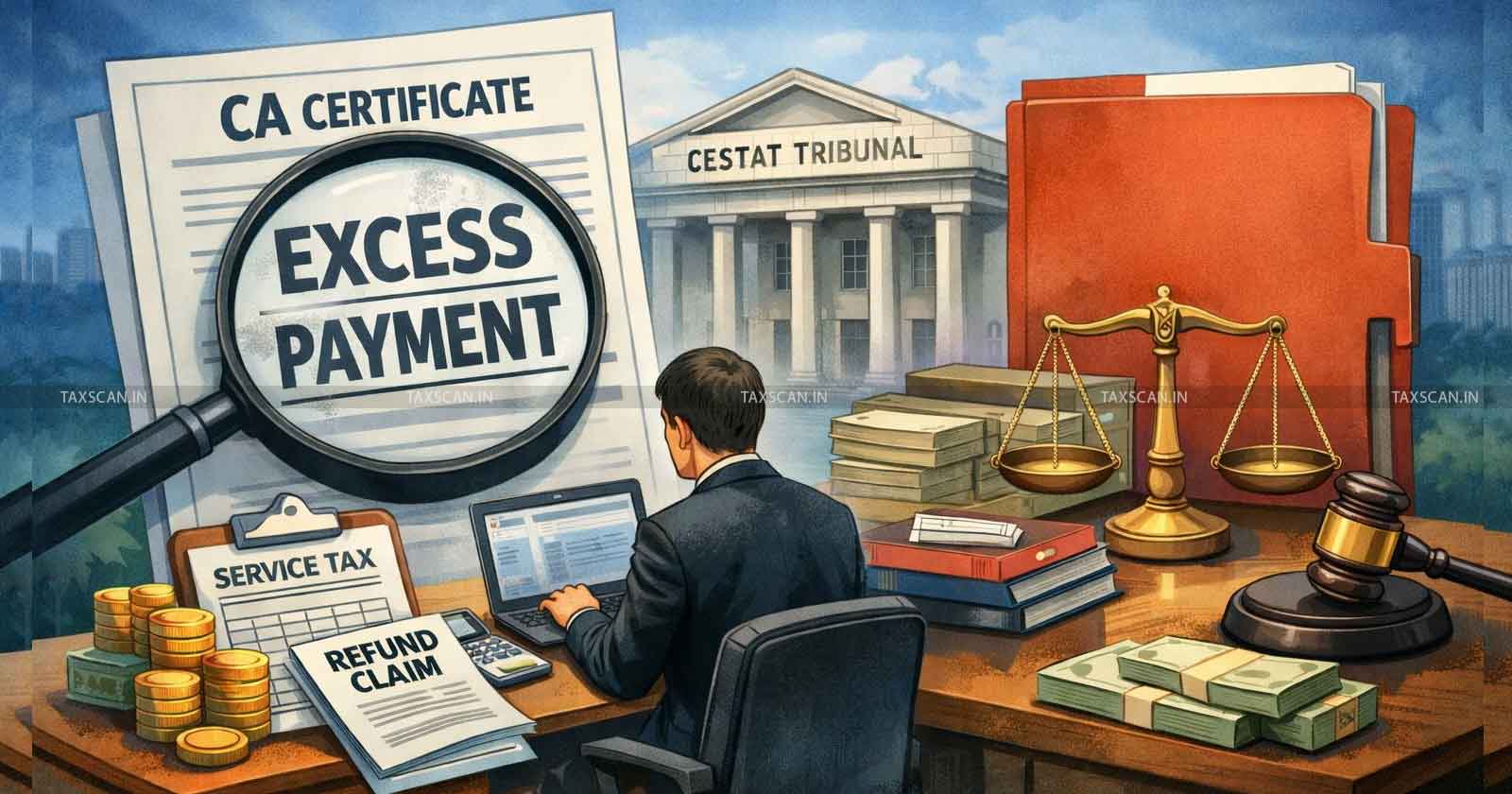
In a recent ruling, the Customs, Excise and Service Tax Appellate Tribunal (CESTAT), Hyderabad, has upheld a service tax demand of ₹16.78 crore along with an equal penalty under Section 78 of the Finance Act, 1994, for wrongful double availment of Cenvat credit.
The dispute arose after investigations revealed that the appellant, Prithvi Information Solutions Ltd, had availed irregular Cenvat credit on six Bills of Entry (BoEs) relating to telecom equipment and software imported by its manufacturing unit. These credits had already been utilised to pay central excise duty, resulting in double availment.
The adjudicating authority had earlier found that although the company initially reversed the irregular credit in July 2010, it re‑availed the same suo moto in its service tax returns for the half year ending September 2010. Statements recorded from the Vice‑President (Finance) confirmed this re‑availment and the failure to inform the department.
Prithvi Information Solutions Ltd said that they operated both as a provider of taxable services and as a manufacturer, the Cenvat credit on imported materials and related software could legitimately be taken at either location — the factory or the service provider’s premises.
They also argued there was no evidence showing that credit on the six Bills of Entry was actually utilised in the manufacturing unit or that they had re‑reversed the credit in their service tax account. They maintained that the extended limitation period invoked by the department was invalid, as all relevant information had already been disclosed in their regularly filed periodical returns.
On the other hand, the department highlighted that the appellant has three divisions: software, telecom engineering, and telecom products. It was admitted that the company had erroneously declared credit of duty paid on the Bills of Entry in its service tax returns for the period ending March 2009.
Although the appellant initially communicated a reversal of the irregular credit in July 2010, subsequent scrutiny revealed no such reversal in the service tax returns for the half-year ending September 2010. On further enquiry, it emerged that the appellant had sought legal opinion and, based on that, re‑availed the credit suo moto, reflected in the opening balance of August 2010 at ₹13.05 crore, without accounting for the earlier debit of ₹13.89 crore.
After hearing both sides, the tribunal noted that the appellant wrongly availed Cenvat credit on imported telecom hardware and software by reflecting it in their service tax returns, even though such goods were already credited in their manufacturing unit and had no nexus with service activities.
Also, the company initially agreed to reverse the irregular credit. It was later found that they had re‑availed the same suo moto, and certain credits lacked supporting documents and pointed out that an additional duty credit of ₹1.56 crore was also wrongly claimed as a service provider. Statements from the company’s Vice‑President (Finance) confirmed these facts, and since no contrary evidence was produced.
The bench of Angad Prasad (judicial member) and A K Jyotishi (Technical Member) held that the credit taken by the appellant was irregular and therefore, rightly demanded, and held that imposition of penalty under section 78 was tenable and sustainable.
Accordingly, the appeal was dismissed
Support our journalism by subscribing to Taxscan premium. Follow us on Telegram for quick updates