How Much Silver Can You Keep at Home Without Tax in India
There is no fixed limit on how much silver you can keep at home, and tax applies only when you cannot explain where the silver came from.
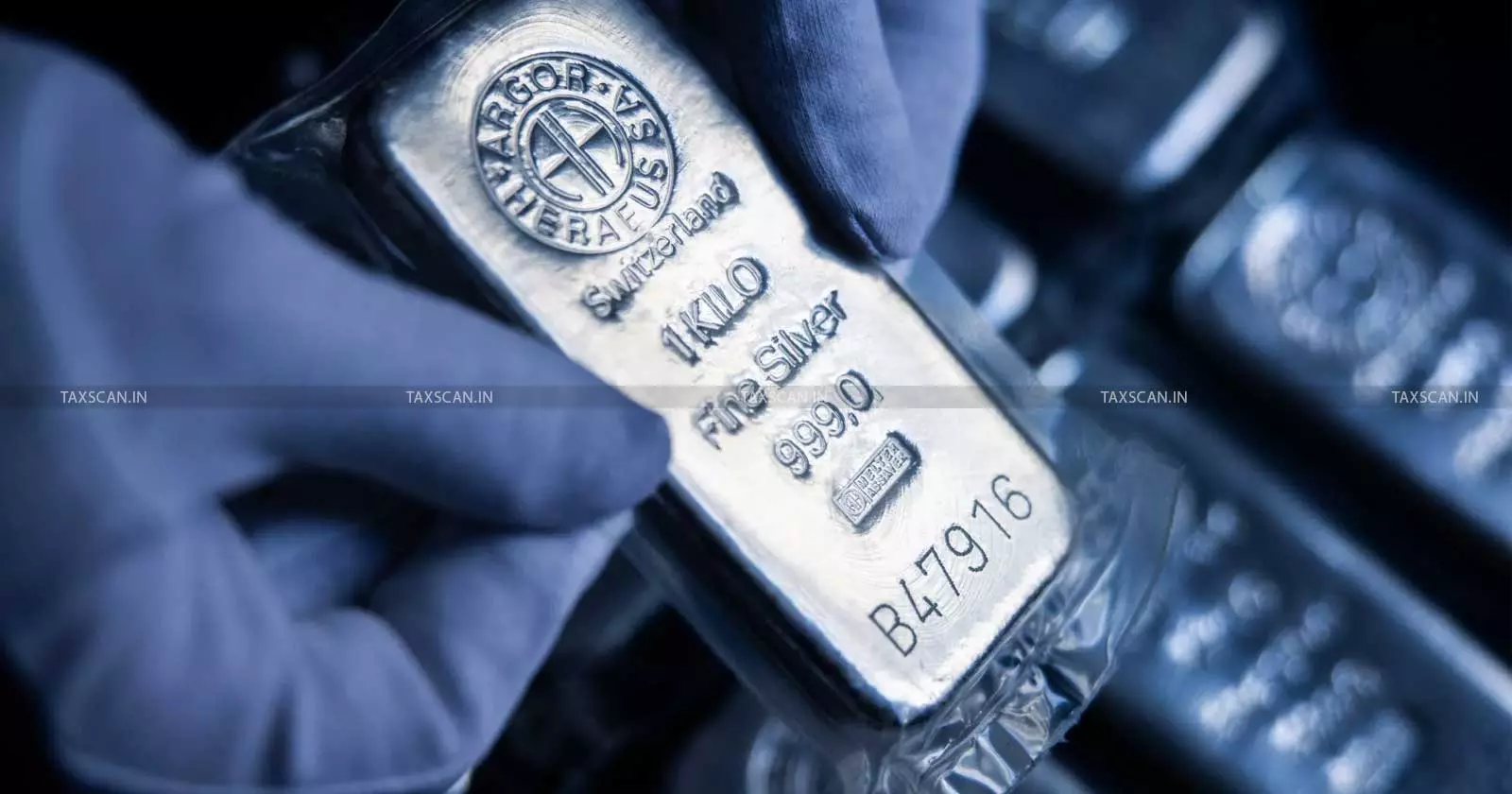
Many Indian homes keep some silver, like coins, bars, utensils, or ornaments. A common question people ask is whether there is any limit on how much silver they can keep at home without tax.
The simple answer is that the income tax law does not fix any weight limit for silver. Just keeping silver at home does not mean you have to pay tax. Tax comes into the picture only when you cannot explain where the silver came from, when you sell it and earn profit, or when you receive silver as a gift that is taxable under the law.
Is there tax on keeping silver at home
India does not levy wealth tax. The Wealth-tax Act was abolished. Holding silver at home does not create income-tax by itself.
The law checks source, not weight
Income tax is a tax on income. Income tax covers unexplained assets under deemed income rules. Silver is a valuable asset. There is no limit on the amount of silver you keep at home when you have records for the purchase and the source of funds.
 Also Read:India’s GDP Growth Estimated at 7.4% in FY26 as Consumption and Investment Surge: Economic Survey
Unexplained silver is treated as income
Section 69A covers money, bullion, jewellery, and other valuable articles. The section applies when a person is found to be the owner of such assets and cannot explain the source. The value is treated as income for that year when no explanation is given or when the explanation is not accepted by the Assessing Officer.
This point matters for silver bars, silver coins, and high value silver stock kept at home. A search action, a survey action, or a notice can raise questions on the source of silver. Bills, bank trail, and past income papers are important.
Tax and penalty if the source of silver is not explained
When the source of silver is not explained, the value of the silver is added as income under Section 69A. This income is taxed under Section 115BBE.
The tax rate under this section is 60%. A surcharge of 25% of the tax is added. Health and education cess of 4% is also charged. Because of this, the total tax comes to about 78% of the value of the silver.
Apart from tax, a penalty applies under Section 271AAC. The penalty is 10% of the tax payable under Section 115BBE. This works out to about 6% of the value of the silver.
When tax and penalty are taken together, the total outgo comes to around 84% of the value of the silver. No deduction or loss set-off is allowed against this income. This is why proof of source is very important.
Gifts of silver create tax
Many people receive silver gifts at weddings and festivals. The law taxes certain gifts under the head “Income from other sources”. The Income Tax Department guidance treats “movable property” as a wide group. This group includes jewellery and bullion.
A gift of bullion or jewellery becomes taxable when the value exceeds Rs 50,000 in a year and the giver is not a relative under the law. A gift from a relative is not taxed under this rule. A gift received on the occasion of marriage is not taxed under this rule. A gift received under a will or by inheritance is not taxed under this rule.
Keep a record of the giver name, relation, and occasion. Keep a value note and invoice if the gift came through a jeweller.
Sale of silver creates capital gains tax
Keeping silver at home does not create tax. Sale of silver creates tax when there is profit. A profit on sale is capital gain.
A capital asset held for more than 24 months is a long-term capital asset for transfers on or after 23-07-2024. For transfers before 23-07-2024, the period was 36 months.
Short-term capital gain on silver is taxed at normal slab rates. Long-term capital gain on silver is taxed under section 112 when the asset is long-term. The text of section 112 states a 12.5% rate for long-term capital gains for transfers on or after 23-07-2024, subject to the conditions in that section.
Silver trading as business
Some taxpayers trade in silver as a business. In that case silver is stock-in-trade. Profit is business income. Business income follows the tax rules for business income.
Records you must keep
Bills and invoices are key records. Bank payment proof is a key record. A record of gifts and inheritance papers are key records. These records support the source of silver during an income tax inquiry.
Reporting in the income tax return for high income taxpayers
Many people ask if silver kept at home must be declared in the return. The Income Tax Department portal for filing ITR-2 states that if total income exceeds Rs 50 lakh, the taxpayer must disclose movable and immovable assets in Schedule AL along with related liabilities.
Schedule AL is a reporting schedule. It does not create a new tax on holding silver. It supports the department checks on asset build up.
Search and seizure rules are not a tax free limit
People link home silver with search cases. CBDT Instruction No. 1916 dated 11 May 1994 gives guidance on seizure of gold jewellery in searches. It gives weight limits for gold jewellery which need not be seized for certain persons. This instruction is for seizure in a search under section 132. This instruction is not a rule that makes jewellery tax free.
Silver does not have a fixed “tax free grams” rule in the Income-tax Act. The key test stays the same. The source must be explained.
Examples
Example 1: You buy silver utensils from a jeweller. You pay from a bank account. You keep the invoice. Holding this silver at home does not create income-tax.
Example 2: You keep silver bars at home. You have no invoice and no bank trail. If the department asks for the source and you give no proof, the value is treated as income under section 69A.
Example 3: You receive a silver coin set worth Rs 1,20,000 from a friend. If the friend is not a relative and no gift exception applies, the value is taxed under the gift rules in section 56(2)(x).
Example 4: You buy silver and sell it after 30 months. The gain is long-term capital gain for transfers on or after 23-07-2024 under the 24 month holding period rule.
Takeaway
There is no gram limit in the Income-tax Act for keeping silver at home. Tax questions focus on source and on income from sale or gifts. Keep purchase and gift records. Disclose silver assets in Schedule AL when your total income exceeds Rs 50 lakh.
Support our journalism by subscribing to Taxscan premium. Follow us on Telegram for quick updates