

Notices Issued to Senior Execs Earning Over Rs. 50 Lakh for Alleged Misuse of Income Tax Exemptions
Underreporting and false claims are among the primary reasons why CEOs and MDs are receiving notices from tax authorities. Focus remains on foreign assets, overseas income, and inflated allowances. High-earners are being requested to revise tax returns as part of a government initiative for better tax compliance.
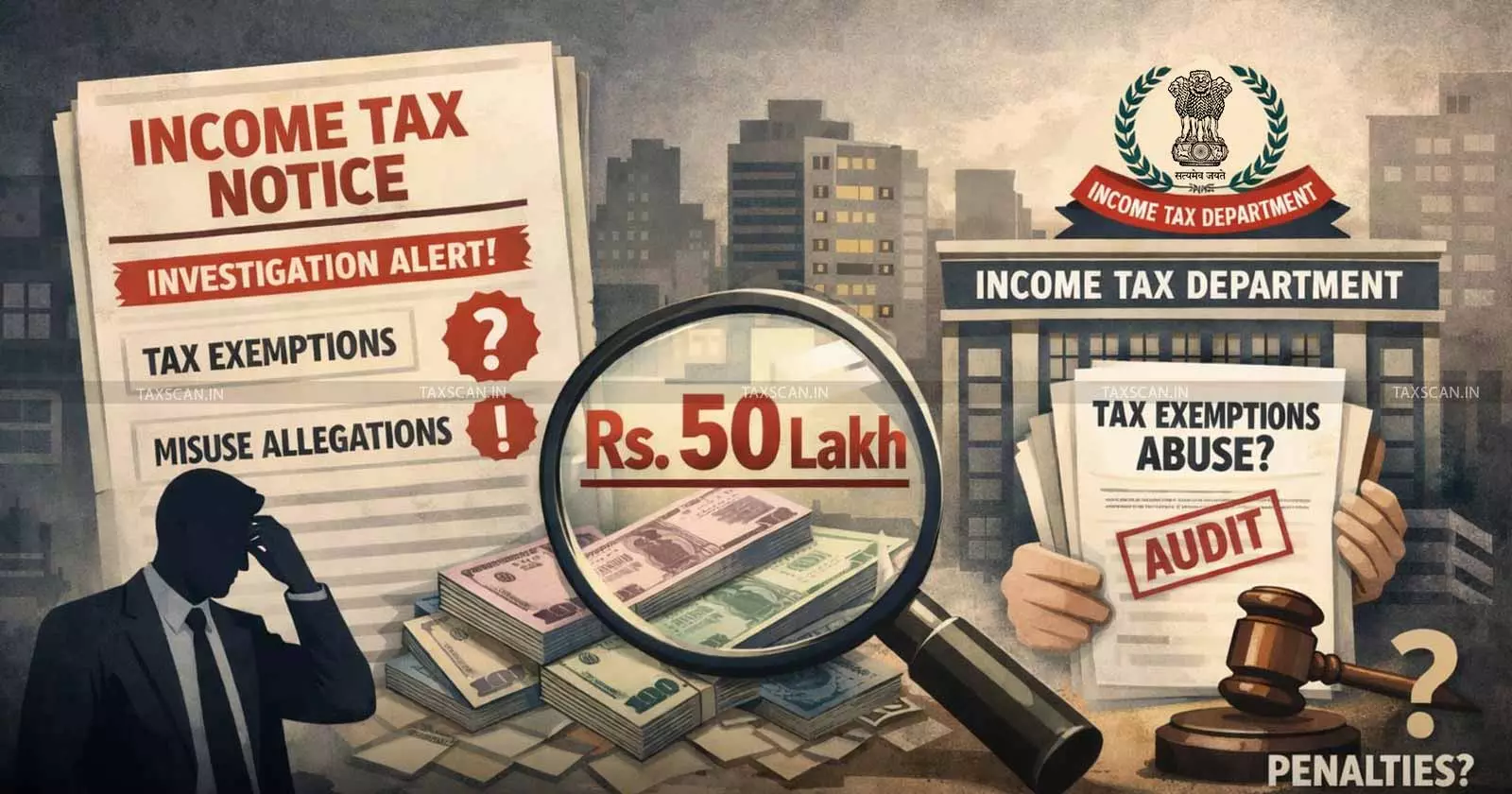
Several senior executives drawing annual salaries of more than Rs. 50 lakhs have come under the scanner for underreporting and claiming unwarranted exemptions. Notices have been sent to such individuals, including chief executives and managing directors of MNCs, by the tax authorities.
The tax department has urged these individuals to rectify the anomalies before heavy penalties get imposed.
By focusing on the top tier of earners, the government aims to send a clear message: professional success does not grant immunity from fiscal transparency.
The Income Tax Department sent notices to these executives of multinational companies to declare underreporting and exaggerating housing and travel allowances (HRA and LTA) in order to suppress their taxable income. It has been reported by the Economic Times that over 15 lakh taxpayers have revised their returns for Assessment Year (AY) 2025-26.

Many of these revisions were prompted by the "nudge" emails sent by the department, which point out specific discrepancies between the taxpayer’s filings and their actual spending patterns.
Businesses that may be involved
Business leaders from various startups also have come under the department’s radar. The officials added that many of the notified taxpayers have claimed exemptions by citing fraudulent donations to religious or educational institutions and charitable trusts.
One senior official stated that more than two dozen cases have arisen wherein expensive properties have been invested in, and over 50 cases wherein secondary salary from cryptocurrencies and donations to political parties have been received.
The scale of these discrepancies is unprecedented; in some instances, the value of the undisclosed assets exceeded the taxpayer's total declared income for the past five years.
These properties are being purchased in the name of a spouse or minor children - a practice that falls under the purview of the Benami Transactions (Prohibition) Act. Furthermore, crypto assets are being received through foreign clients to bypass domestic banking channels, and political donations are given to unrecognized parties that often exist only on paper.
The Central Board of Direct Taxes (CBDT) has reported 40 lakh information threads on Indians abroad for the past year.

Support from Artificial Intelligence in 2026
Recently, the department has used artificial intelligence-based analytics to note inconsistencies between declared income, Tax Deducted at Source (TDS) records, and third-party financial data. The AI system, known as Insight Portal, builds a comprehensive profile of a taxpayer's "lifestyle-to-income" ratio. Insight can re-generate deleted bills based on raw system logs and raw material purchases.
An example of the impact that AI is making can be made from the tax evasion case in Hyderabad.
Iconic names like Pista House, Shah Ghouse and Mehfil, were investigated under the Prevention of Money Laundering Act (PMLA), 2002. The investigation initially seized INR 6 crore in cash, but eventually reflected a INR 70,000 crore national scam. Investigators analyzed 60 terabytes of data from a billing software and found a ‘bulk delete’ button that wipes up to 30 days of sales history. Waiters and junior staff had UPI QR codes created and rotated every two months to avoid suspicion. The department flagged properties in Jubilee Hills and Gachibowli.
In the budget for 2026-27, the Centre announced a six-month window for the declaration of foreign assets. This is intended to provide relief to professionals with undisclosed Employee StockOption Plans (ESOPs) and to students who retained funds in overseas accounts. This "one-time" window is a critical olive branch; it allows taxpayers to come clean by paying the tax and a specified penalty, thereby avoiding criminal prosecution under the Black Money Act.
However, officials warn that this window is not an invitation for further delay. With the 2026 fiscal year focusing heavily on digital transparency, the window represents the final opportunity for India’s corporate elite to align their global portfolios with their domestic declarations.
The executives involved now face the legal battle under Section 271(1)(c) - imposing penalties for concealment of income - unless they utilize the Compliance Window to voluntarily declare suppressed turnover and pay 60% effective tax rate.
Support our journalism by subscribing to Taxscan premium. Follow us on Telegram for quick updates
