

RBI Evaluates Gazprombank and Alfa Bank Branch Applications Entries Balancing Geopolitical and Economic Interests
The RBI is reviewing branch licence applications from Russia’s Gazprombank and Alfa filed during President Putin’s December 2025 visit. The decision will shape India-Russia trade ambitions and signal how India balances economic interests with geopolitical pressures.
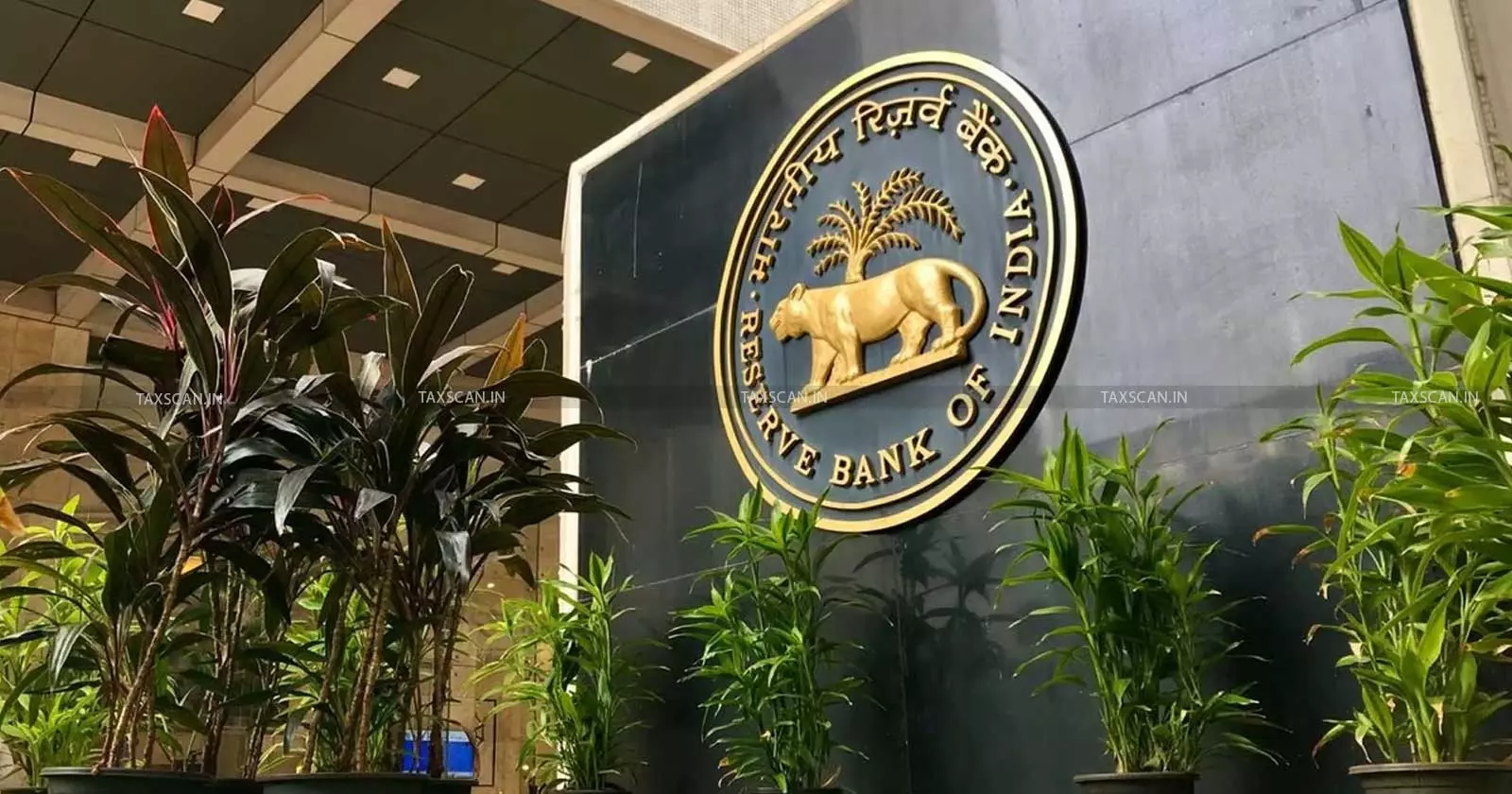
The Reserve Bank of India(RBI) is currently navigating a complex landscape of geopolitical pressures and economic interests as it considers applications from prominent Russian financial institutions, Gazprombank and Alfa Bank, to establish branches within India.
This development signifies a pivotal moment in India's foreign banking policy and holds profound implications for bilateral trade and financial relations between India and Russia. The RBI's decision will underscore its commitment to fostering international trade while upholding the robust regulatory framework governing India's financial sector.
DEVELOPMENTS AND REGULATORY FRAMEWORKS:
Russia's Gazprombank and Alfa Bank have formally sought approval from the Reserve Bank of India to commence banking operations through the establishment of branches in India. Alfa Bank is seeking to establish operations in Mumbai, while Gazprombank plans to open a branch in New Delhi, where it already operates a liaison office.
Russian officials and bank representatives held meetings with Indian finance ministry officials on December 3, 2025, to advance these applications. This move is a direct response to the evolving global financial architecture and the imperative to facilitate smoother financial transactions between the two nations.
The timing of these applications is significant, coinciding with Russian President Vladimir Putin's two-day visit to India beginning December 5, 2025. Both banks operate under Western sanctions—Alfa Bank from 2022 and Gazprombank from 2024—making the RBI's decision particularly sensitive from a regulatory and geopolitical perspective.
The establishment of foreign bank branches in India is governed primarily by the provisions of the Banking Regulation Act, 1949, and the Reserve Bank of India Act, 1934, alongside various prudential guidelines issued by the RBI from time to time. The RBI, under its statutory powers, including those enshrined in Section 22 and Section 35A of the Banking Regulation Act, 1949, exercises comprehensive discretion in granting licenses for banking operations, ensuring financial stability and protecting depositor interests.
IMPLICATIONS FOR INDIA-RUSSIA TRADE:
The potential approval of these applications carries significant strategic weight, particularly in the context of the ambitious bilateral trade target of USD 100 billion by 2030. Direct banking channels are indispensable for achieving such targets, providing the necessary financial infrastructure to support increased trade volumes.
· Enhanced Payment Mechanisms: The presence of Russian bank branches would significantly streamline payment mechanisms between Indian and Russian entities. This would reduce reliance on third-country intermediaries, thereby mitigating risks associated with international sanctions and geopolitical uncertainties. Direct channels would facilitate more efficient and secure cross-border transactions, fostering greater confidence among traders.
· Facilitating Rupee-Rouble Trade: The establishment of these branches would be instrumental in promoting and expanding the use of national currencies, the Indian Rupee and the Russian Rouble, in bilateral trade. This move would lessen dependence on the US Dollar, providing a more resilient and independent payment system, a critical step towards de-dollarisation in specific trade corridors.
· Improved Trade Finance and Credit Access: Indian exporters and importers engaged in trade with Russia would benefit immensely from easier access to trade finance, letters of credit, and other banking services tailored to their specific needs. This direct access would reduce transaction costs, simplify complex documentation, and expedite trade flows, thereby boosting the competitiveness of Indian businesses in the Russian market and vice-versa.
· Diversification of Financial Services: The entry of new foreign banks, particularly from a strategic partner like Russia, could introduce a wider array of financial products and services designed to support bilateral economic activities. This diversification would foster healthy competition within the Indian banking sector, potentially leading to innovative solutions for trade financing, investment, and capital flows between the two nations.
RBI’S BALANCING ACT: GEOPOLITICS AND ECONOMICS INTERESTS:
The RBI's decision-making process involves a delicate balancing act between geopolitical considerations and India's economic interests. While India maintains a neutral stance on international conflicts, its economic policies are geared towards securing national interests, including energy security, defence cooperation, and trade diversification. The approval of Russian bank branches would underscore India's commitment to maintaining robust economic ties with Russia, irrespective of external pressures.
The regulatory framework, as highlighted in Sudhir Shantilal Mehta vs C.B.I (2009), mandates that banks are regulated under the Reserve Bank of India Act, 1934, and the Banking Regulation Act, 1949, ensuring adherence to prudential norms. Furthermore, the handling of foreign exchange is governed by the Foreign Exchange Management Act, 1999 (FEMA), as noted in cases like Having Its Registered Office At C/O ... vs Union Of India And 3 Ors (2025), which provides the framework for foreign currency transactions.
IMPACT ON INDIA-RUSSIA TRADE AND ECONOMIC RELATIONS:
The approval of Russian bank branches in India would have significant and multifaceted impacts on bilateral economic relations. The establishment of Gazprombank in New Delhi and Alfa Bank in Mumbai would directly enhance trade facilitation by creating efficient banking channels that reduce transaction processing times from weeks to days. This streamlined infrastructure would eliminate intermediary banks, resulting in cost savings of approximately 2-5% on cross-border transactions for businesses engaged in India-Russia trade.
The presence of these banks would enable smoother rupee-ruble trade settlement mechanisms, reducing dependency on US dollar conversions and mitigating associated foreign exchange risks that currently burden bilateral commerce. The financial infrastructure would prove particularly beneficial for critical sectors driving India-Russia economic partnership. In the energy sector, these banking channels would simplify payment mechanisms for Indian imports of Russian crude oil, with Russia having emerged as India's largest oil supplier in recent years.
The defense sector would benefit from streamlined financial transactions for equipment procurement, spare parts, and maintenance contracts, which constitute a substantial portion of bilateral trade. Additionally, sectors such as fertilizers, pharmaceuticals, diamonds, and chemicals would experience improved transaction efficiency, supporting the ambitious bilateral trade target of $100 billion by 2030 from the current level of $69 billion.
On the other hand, the Russian bank branches would provide alternatives to Western-dominated payment systems, offering crucial operational independence given the sanctions status of both Gazprombank and Alfa Bank. This development would strengthen the rupee-ruble payment corridor and contribute to ongoing de-dollarization efforts in bilateral trade.
The move would reinforce India's strategic autonomy in foreign policy, demonstrating its capacity to maintain diverse international partnerships despite Western pressure. This decision serves as a template for India's approach to navigating the increasingly fragmented global financial order, balancing economic pragmatism with geopolitical considerations.
Ultimately, the impact represents a calculated trade-off between advancing India-Russia economic ties and managing potential complications in relations with Western nations, reflecting India's multi-alignment strategy in international affairs.
The Reserve Bank of India's impending decision on the applications from Gazprombank and Alfa Bank is more than a mere regulatory formality; it is a strategic pronouncement on India's economic sovereignty and its vision for a diversified global financial landscape. By potentially facilitating the entry of these Russian banks, India stands to significantly bolster its bilateral trade with Russia, enhance financial stability through direct channels, and reinforce its position as an independent economic power capable of navigating complex international dynamics.
The move, if approved, would be a testament to India's pragmatic approach to foreign policy, prioritising its long-term economic and strategic objectives.
Support our journalism by subscribing to Taxscan premium. Follow us on Telegram for quick updates
